


Why Your Study Space Needs a Plant
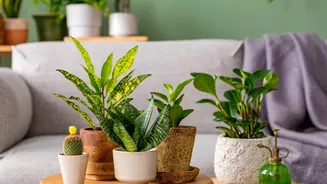
Bringing plants into your workspace is more than just a decorative choice; it's a wellness strategy. Studies have shown that the presence of indoor plants can reduce stress, increase productivity, and enhance concentration. The visual connection to nature
helps combat mental fatigue, making those long study sessions more manageable. Plants also act as natural air purifiers. Research, including a famous study by NASA, has identified that common houseplants can help filter indoor air pollutants like formaldehyde and benzene, which can be present in furniture and cleaning products. By releasing oxygen and regulating humidity, they contribute to a healthier, fresher environment, which is especially beneficial in a small room.
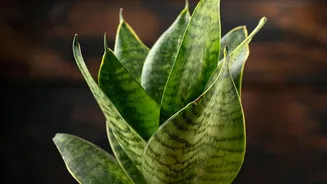
The Ideal Candidate: The Snake Plant
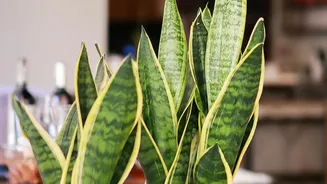
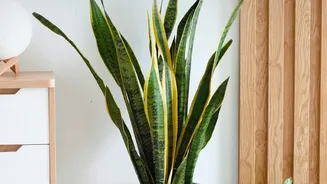
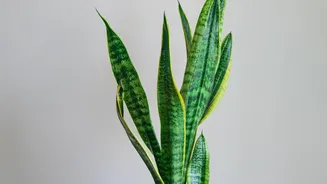
The snake plant, or Sansevieria trifasciata, is arguably one of the hardiest and most forgiving houseplants you can own. Its upright, architectural leaves make a modern statement without taking up precious horizontal space on your desk. Known for its 'thrive on neglect' nature, it is the perfect companion for busy students or anyone new to plant care. It tolerates a wide range of lighting conditions, from low light to bright, indirect light, making it suitable for almost any room. Furthermore, unlike many plants, the snake plant continues to produce oxygen at night, which can contribute to better air quality while you sleep if your study table is in your bedroom. For small desks, look for dwarf varieties like 'Hahnii' (Bird's Nest) or 'Fernwood', which stay compact and manageable.
Simple Care for Your Snake Plant
Caring for a snake plant is all about restraint. Its biggest enemy is too much water, which can lead to root rot. The golden rule is to water only when the soil is completely dry to the touch. For a small desk plant, this could mean watering as little as every two to four weeks, and even less in the winter. Always ensure the pot has a drainage hole to let excess water escape. Snake plants are not heavy feeders; a dose of a general houseplant fertiliser once or twice during the spring and summer growing season is more than enough. Simply wipe the leaves with a damp cloth occasionally to keep them dust-free and looking their best.
The Effortless Alternative: The Pothos
If you prefer a softer, trailing look, the Pothos (Epipremnum aureum) is an excellent choice. Often called Devil's Ivy, this plant is renowned for its heart-shaped leaves and vigorous vines that can be left to cascade gracefully over the side of a shelf or desk. It's another incredibly low-maintenance option that signals its needs clearly; its leaves will start to wilt slightly when it's thirsty. Like the snake plant, Pothos is very adaptable to different light levels, thriving in bright, indirect light but tolerating lower light conditions well. It's also an effective air purifier, adept at filtering common household toxins. Varieties like Golden Pothos, Neon Pothos, and Marble Queen Pothos offer different colours and variegation to match your personal style.
Easy Pothos Plant Care
Pothos care is straightforward and rewarding. Water your plant when the top inch or two of soil feels dry. It's better to underwater than to overwater. If your pot has drainage, you can water it thoroughly in the sink, let the excess drain away, and then place it back on your desk. This plant enjoys a bit of humidity, so a light misting every few days will be appreciated, though it's not strictly necessary. To keep your Pothos full and prevent it from becoming too long and straggly, simply trim the vines back. Pruning encourages bushier growth and you can easily propagate the cuttings in water to create new plants for yourself or friends.