



1. Mumbai: The Epicentre of Grandeur
When you think of Ganesh Chaturthi on a grand scale, you think of Mumbai. The city transforms into a massive gallery of devotion, with thousands of 'sarvajanik' (public) pandals. The most famous is Lalbaugcha Raja, which attracts millions of devotees.
Celebrations here are defined by scale—towering idols, elaborate themes often inspired by current events or Bollywood, and a high-energy atmosphere that lasts for ten days. The festival culminates in a spectacular 'visarjan' (immersion) procession, where massive crowds carry idols to the sea at Girgaum Chowpatty, dancing to the beats of dhol-tasha drums. It’s a loud, vibrant, and deeply emotional farewell to the beloved deity.
2. Pune: The Home of Tradition
If Mumbai is about spectacle, Pune is about heritage. This is where Lokmanya Tilak transformed the festival into a public event in 1893 to foster community under colonial rule. This historical weight gives Pune's celebrations a more traditional and disciplined character. The city reveres its 'Manache Ganpati'—five prestigious idols that lead the immersion procession in a specific order of honour. Kasba Ganpati, the first in line, is considered the presiding deity of the city. The idols are often smaller than Mumbai's, and the processions are known for their organised 'pathaks' (troupes) playing rhythmic beats, creating a powerful yet classical atmosphere.
3. Hyderabad: A Towering Display of Faith
Hyderabad's celebration is dominated by one name: the Khairatabad Ganesha. This idol is famous for its colossal size, often standing as one of the tallest in India, with its height varying each year. The tradition began in 1954 with a modest one-foot idol and grew annually. The pandal attracts lakhs of visitors from all over the country. Another highlight is the massive 'laddu' placed in the idol's hand, which is later auctioned. The immersion procession at Hussain Sagar lake is a major event, marking the culmination of the nine-day festivities in the city. Recent years have also seen a shift towards constructing these massive idols with eco-friendly clay.
4. Goa: An Eco-Conscious Family Affair
In Goa, Ganesh Chaturthi, or 'Chavath' as it's locally known, is less about public pandals and more about intimate family celebrations. It's a time for families to return to their ancestral homes. A unique Goan tradition is the 'Matoli', a wooden canopy decorated with a wide variety of local, seasonal fruits, flowers, and vegetables, which is hung above the Ganesha idol. This practice showcases the state's deep connection to nature and its agrarian roots. The idols are often handcrafted from clay, and the festival emphasizes eco-friendly practices. The food is also distinct, with sweets like 'patoleo' (steamed rice cakes in turmeric leaves) prepared alongside the classic modaks.
5. Bangalore: Creativity and Community
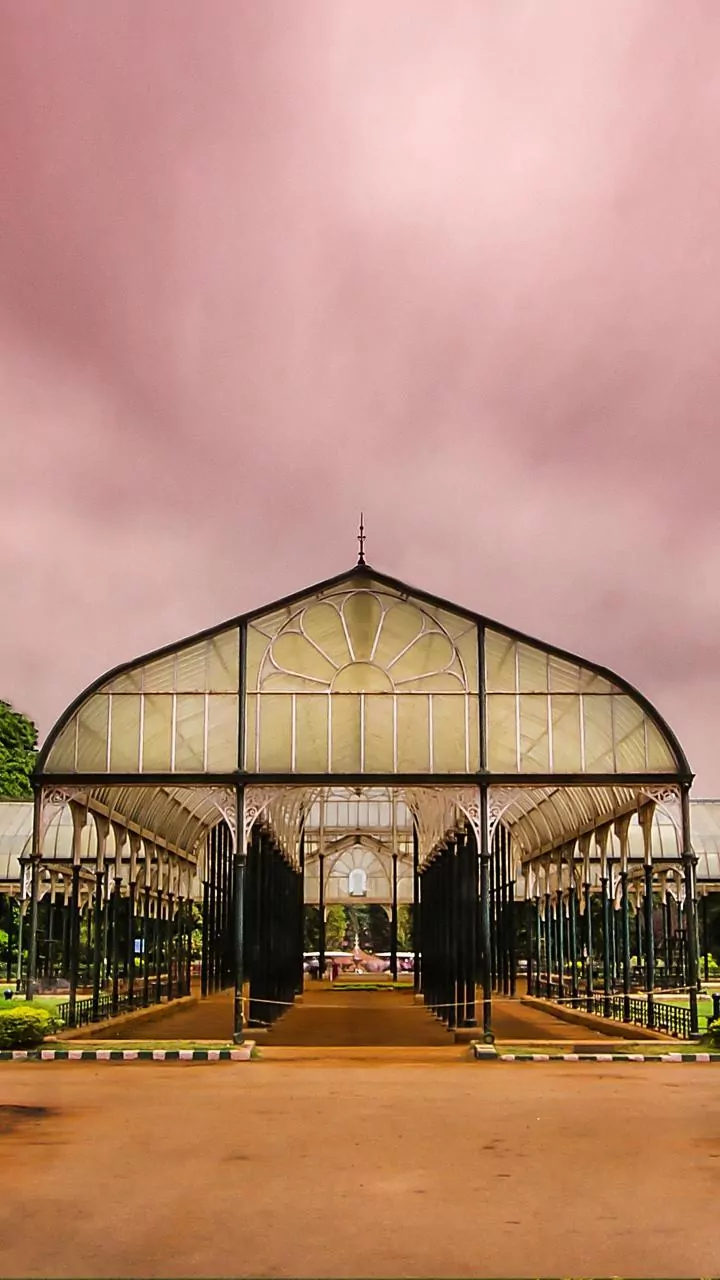
Bangalore celebrates with a creative flair and a strong sense of community. The city is known for its themed pandals and innovative idols, often crafted from unconventional, eco-friendly materials like flowers, vegetables, or even seeds. The Bengaluru Ganesh Utsava, held at the APS College Grounds in Basavanagudi, is one of the oldest and largest events in the city, running for over six decades and featuring major cultural performances by artists from across India. While home celebrations are common, public pandals in areas like Basavanagudi and Jayanagar become hubs for cultural activities, drawing large crowds for evening aartis and events.
6. Chennai: A Southern Interpretation
While not traditionally as widespread as in Maharashtra, Ganesh Chaturthi has gained significant popularity in Chennai. The celebration here has a distinct South Indian flavour. The star of the prasad is the 'kozhukattai' or 'mothagam', a steamed rice flour dumpling with a sweet filling of coconut and jaggery, which is considered a favourite of the deity. Families often craft their own clay idols at home. Public celebrations culminate in a vibrant immersion ceremony at Marina Beach and other coastal spots, where hundreds of idols are brought in procession, creating a unique spectacle against the backdrop of the Bay of Bengal.
7. Delhi: A Slice of Maharashtra in the Capital
In Delhi, Ganesh Chaturthi is a beautiful example of cultural migration. The festival is celebrated with great enthusiasm, largely driven by the Maharashtrian community, recreating the traditions of their home state in the nation's capital. Pandals in areas like Dwarka, Laxmi Nagar, and the one at Maharashtra Sadan bring an authentic Mumbai-style vibe with dhol-tasha performances and traditional Maharashtrian food. While celebrations here may be more community-centric and less sprawling than in Mumbai, they offer a heartfelt glimpse into the festival's core spirit, blending regional traditions with the multicultural landscape of Delhi.