


Ghevar from Rajasthan
No Sawan feels complete in Rajasthan without Ghevar, a disc-shaped sweet with a delicate, honeycomb-like texture. It is traditionally prepared during the monsoon festivals of Hariyali Teej and Raksha Bandhan, which fall within Sawan. Made from a batter
of flour and ghee fried to a porous perfection and then soaked in sugar syrup, Ghevar is often topped with rabri (thickened sweet milk), nuts, and saffron. This dessert is not just a sweet but a cultural symbol, often gifted to married daughters as part of the Sinjara tradition. Its association with the monsoon season and festive celebrations makes it an iconic Sawan speciality.
Sabudana Khichdi from Maharashtra
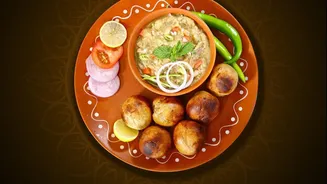
Across Western India, particularly in Maharashtra and Gujarat, Sabudana Khichdi is the undisputed star of fasting cuisine. Made from soaked tapioca pearls (sabudana), it is a light yet incredibly filling dish perfect for those observing Sawan fasts. The pearls are tossed with roasted peanuts, boiled potatoes, cumin seeds, and green chillies, and cooked in ghee. This simple preparation avoids grains, onions, and garlic, adhering to 'falahari' or vrat rules. Its ability to provide sustained energy makes it a go-to meal after evening prayers during Shravan Somwar (Mondays).
Kuttu ki Puri from North India
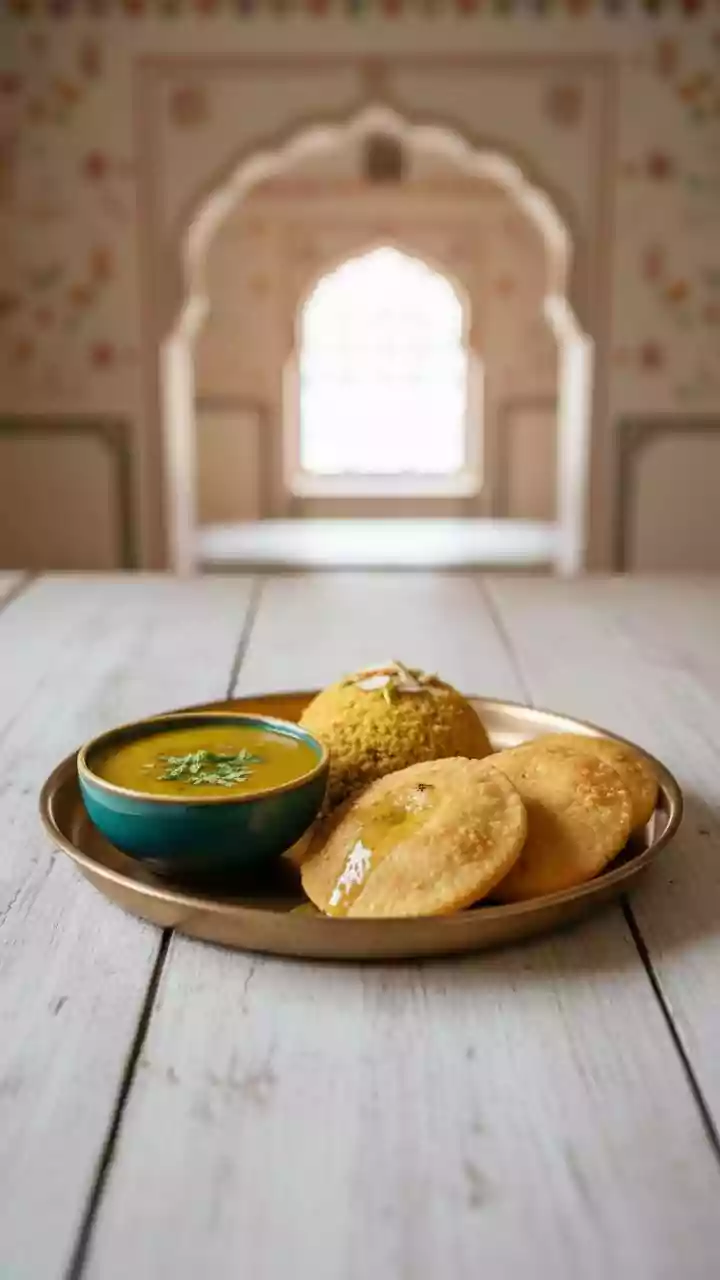
In Uttar Pradesh, Punjab, and other parts of North India, Sawan fasting menus are dominated by dishes made from kuttu ka atta, or buckwheat flour. Since regular grains like wheat are avoided, this gluten-free flour becomes a staple. Kuttu ki Puri is a deep-fried bread made from a dough of buckwheat flour, often mixed with mashed potatoes for binding, and seasoned with rock salt (sendha namak). These dark, crispy puris are typically served with a simple potato curry, known as 'vrat wale aloo', which is prepared without onion or garlic, making for a wholesome and traditional fasting meal.
Anarsa from Bihar and Jharkhand
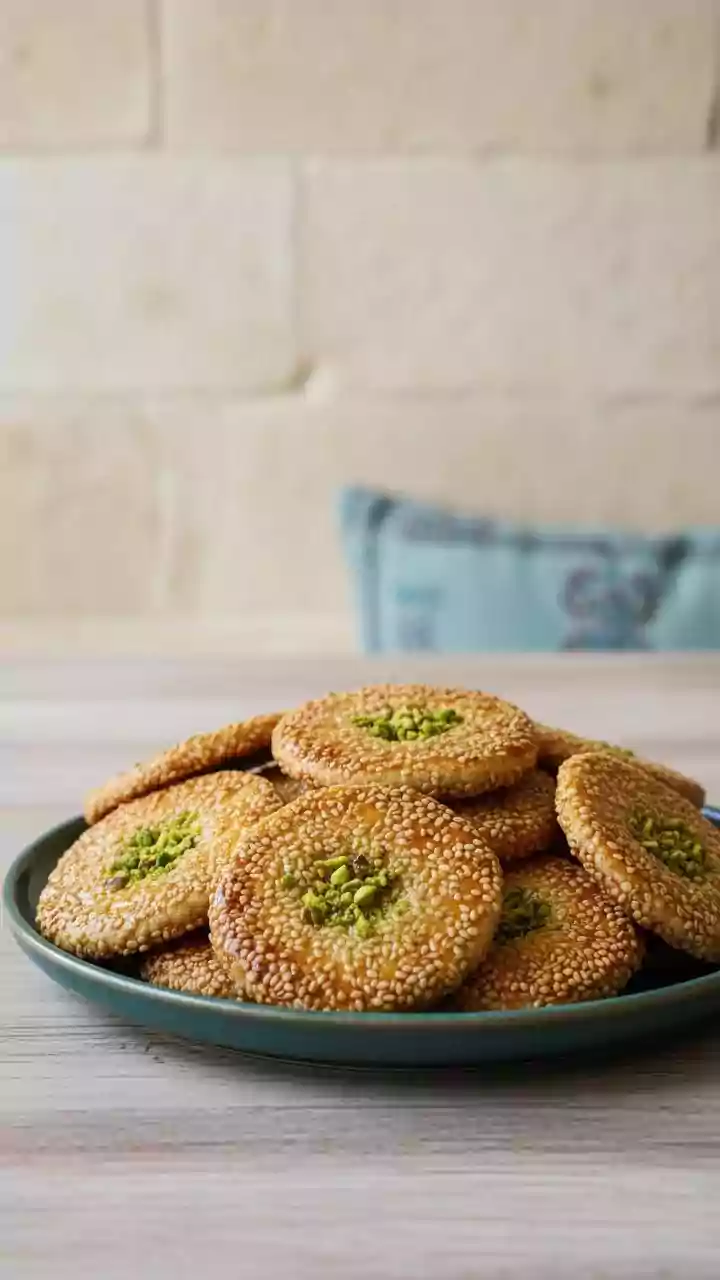
A lesser-known but cherished sweet from Bihar, Jharkhand and parts of Maharashtra, Anarsa is a traditional delicacy often prepared during the festive monsoon season. It is a pastry made from a dough of soaked and ground rice flour and jaggery or sugar, which is often left to ferment for a few days, giving it a unique tangy-sweet flavour. The small, flattened discs are then coated in poppy seeds or sesame seeds and carefully shallow-fried in ghee. The result is a treat that is crispy on the outside with a delightfully chewy interior, embodying the slow, thoughtful cooking of the festive season.
Farali Pattice from Gujarat
Gujarat offers a delectable fasting snack known as Farali Pattice. These are flavourful, melt-in-the-mouth potato patties with a crisp exterior. The outer layer is made of mashed potatoes, while the inside holds a sweet and savoury stuffing of grated coconut, roasted peanuts, dry fruits, and spices like ginger and green chilli. The patties are rolled in arrowroot flour before being deep-fried to a perfect golden brown. Served often with a vrat-friendly chutney, Farali Pattice is a testament to how creative and delicious fasting food can be.
Singhare ka Halwa from the Hindi Belt
When a sweet craving hits during a fast, Singhare ka Halwa is a popular and comforting solution across North India. This rich pudding is made from singhare ka atta (water chestnut flour), another ingredient permitted during religious fasts. The flour is roasted in ghee until fragrant, then simmered with milk and sugar until it thickens into a dense, smooth halwa. Garnished with almonds and pistachios, this dessert is not only delicious but also provides a good amount of energy, making it an ideal dish to break a day-long fast.
Ghavan Ghatle from the Konkan Coast
From the Konkan region of Maharashtra comes a unique combination dish called Ghavan Ghatle, often enjoyed during Sawan. Ghavan is a simple, lacey pancake made from rice flour, similar to a neer dosa. It is served with Ghatle, a sweet and fragrant pudding made from coconut milk, jaggery, and flavoured with cardamom. This pairing reflects the coastal region's reliance on rice and coconut. The simplicity of the ingredients aligns with Ayurvedic principles followed during the monsoon, making it both a festive dish and one that is easy on the digestive system.