








Plan Before You Leave
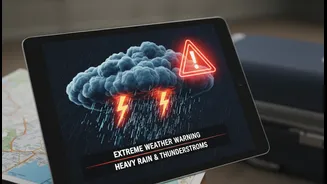
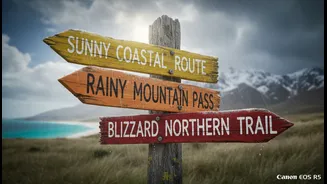
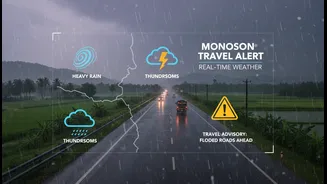
Spontaneity is great, but not during a heavy downpour. Before starting any trip, check the latest weather forecasts from reliable sources like the India Meteorological Department (IMD). Pay attention to district-level alerts, not just state-wide summaries,
as conditions can vary significantly. Plan your route and have alternatives in mind. Heavy rain can cause sudden road closures, landslides in hilly areas, and waterlogging in cities. It's wise to build extra time into your schedule to accommodate potential delays and avoid rushing through hazardous conditions. Sharing your itinerary with a family member or friend is also a good safety practice.
Get Your Vehicle Monsoon-Ready
Your vehicle is your first line of defense on wet roads. A pre-monsoon check is critical. Ensure your tyres have adequate tread depth to grip slippery surfaces and prevent skidding; good treads help channel water away and maintain control. Brakes are equally important, as stopping distances increase on wet roads. Have them inspected to ensure they are in optimal condition. Check that all your lights are working—headlights, taillights, and indicators—for maximum visibility. Finally, test your wiper blades. Worn-out wipers will smudge the windscreen, severely reducing visibility when you need it most. Replace them if they leave streaks.
The Essential Monsoon Packing List
Packing smart can make a huge difference. Prioritize waterproof items to protect yourself and your belongings. A good quality raincoat or poncho is more practical than an umbrella in heavy rain and wind. Use a waterproof backpack or a rain cover for your luggage to keep clothes and electronics dry. It’s a good idea to put electronics like your phone, charger, and important documents in separate ziplock bags for an extra layer of protection. Pack quick-drying clothes made of synthetic fabrics and avoid denim, which takes a long time to dry. Also include footwear with a strong grip to avoid slipping on wet surfaces.
Your On-the-Go Emergency Kit
An emergency kit is non-negotiable for monsoon travel. Start with a fully charged power bank, as power cuts and travel delays are common. A basic first-aid kit with antiseptic wipes, bandages, and any personal medications is crucial. Insect repellent is another must-have, as the monsoon season sees a rise in mosquito populations. Pack some non-perishable snacks and a bottle of drinking water to stay hydrated and energised during unexpected delays. While digital payments are convenient, network issues can arise in heavy rain, so always carry some cash.
Safe Driving in the Rain
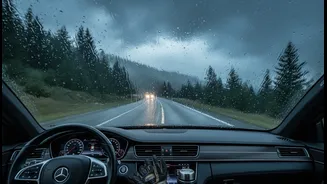
Driving techniques need to adapt to the weather. The single most important rule is to slow down. Reduced speed gives you more time to react and lowers the risk of hydroplaning. Maintain a greater distance from the vehicle in front of you. Turn on your headlights, even during the day, to increase your visibility to other drivers. Never attempt to drive through waterlogged streets or flooded underpasses; it's impossible to gauge the depth of the water, and just a few inches can stall a car or cause you to lose control. If visibility becomes extremely poor, it's safer to pull over to a secure spot and wait for the rain to subside.