







Dhanteras, falling on November 6, 2026, marks the auspicious start to Diwali festivities, and for many, it's the perfect day to invest in gold. To ensure your purchase brings prosperity without pitfalls, being an informed buyer is key.
Confirm the Hallmark for Purity
The first step in
validating your gold is to look for the Bureau of Indian Standards (BIS) hallmark. As of 2023, every piece of hallmarked gold jewellery sold in India must have three distinct marks: the triangular BIS logo, a mark indicating purity, and a six-character alphanumeric Hallmark Unique Identification (HUID) code. This HUID code is crucial; it acts like a unique fingerprint for your jewellery. You can instantly verify it using the 'Verify HUID' feature on the BIS Care app, which reveals details like the jeweller's name, the hallmarking centre, and the exact purity of the item. If a piece is missing any of these three components, it is not compliant with the latest standards.
Understand Karat Ratings
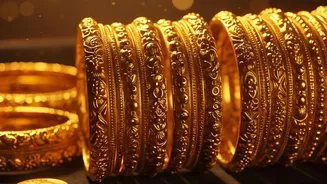
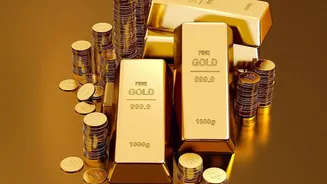
The purity mark on hallmarked jewellery is given in both karats and fineness. For instance, '22K916' means the item is 22-karat gold, which contains 91.6% pure gold mixed with other metals for durability. Likewise, '18K750' signifies 18-karat gold with 75% purity. While 24-karat gold is the purest form (often found in coins and bars), it is too soft for intricate jewellery designs. 22K is the standard for traditional jewellery, while 18K and 14K are often used for diamond-studded and contemporary pieces. Understanding this helps you pay the right price, as an 18K piece should naturally cost less than a 22K piece of the same weight.
Insist on Verifying the Weight
The price of your jewellery is directly tied to its weight. Always ask the jeweller to weigh the item in front of you on a calibrated electronic scale. If the piece is studded with diamonds or other gemstones, it's important to know the net weight of the gold alone. The bill should clearly separate the weight of the gold from the weight of the stones, as you should not be paying for gemstones at the price of gold. A transparent jeweller will provide a detailed breakup, ensuring you are only charged for the actual gold content. This is also critical for determining the item's future resale value.
Decode the Making Charges
Making charges, which cover the labour and design costs, can significantly increase the final bill. These charges are not fixed and can range from 5% to over 25% of the gold's value. Jewellers calculate them in two ways: as a percentage of the gold value or as a flat rate per gram of gold. For machine-made or simple designs, the charges are lower, while intricate, handcrafted pieces command higher rates. Don't hesitate to ask how the charges are calculated and feel free to negotiate, especially on higher-value purchases or during festive seasons when jewellers often have special offers. Some jewellers may also include 'wastage charges', which should be questioned.
Scrutinise GST and the Final Bill
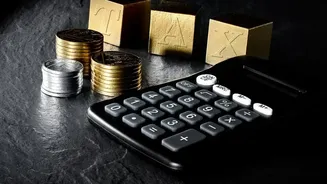
The final price includes the Goods and Services Tax (GST). In India, a 3% GST is levied on the value of the gold, and a separate 5% GST is applied to the making charges. It is mandatory for the jeweller to provide you with a proper, itemised bill that breaks down every component: the gold rate, weight, purity, making charges, and the respective GST amounts. This invoice is your legal proof of purchase and is essential for any future claims, exchanges, or buybacks. Without a detailed bill, you have no official record of the purity and value you paid for.
Inquire About Buyback and Exchange Policies
Before finalising your purchase, always ask about the jeweller's buyback and exchange policies. Reputable jewellers typically offer to buy back their own jewellery, though the terms can vary. They might deduct a certain percentage or exclude making charges and taxes from the valuation. Understanding these terms beforehand ensures there are no surprises if you decide to sell or exchange the piece in the future. A transparent and fair buyback policy is often a good indicator of a trustworthy seller.