



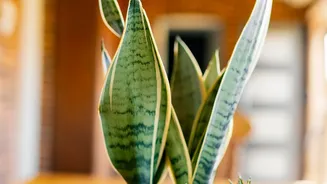
Meet the Snake Plant: The Unkillable Icon
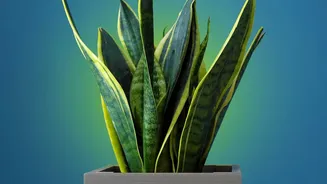
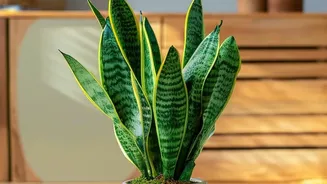
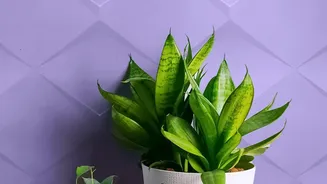
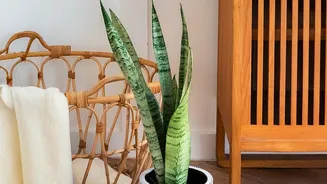
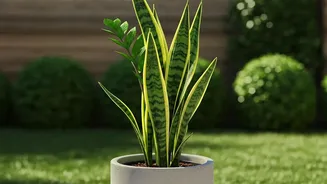
The snake plant, or Dracaena trifasciata, has earned a reputation for being nearly indestructible, making it a go-to for first-time plant owners. Recognised by its stiff, upright, sword-like leaves, it brings a modern, architectural feel to any room.
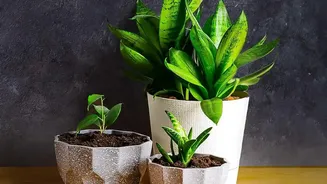
Varieties range from the classic dark green with yellow edges (Laurentii) to silvery 'Moonshine' and compact bird's nest types. Its superpower is its tolerance for neglect. Because it stores water in its leaves, it's incredibly drought-tolerant and can survive in a wide range of light conditions, from low light to bright, indirect sun. This resilience makes it an ideal plant for a desk corner or a bedroom that doesn't get constant sunlight.
Caring For Your Snake Plant
The number one rule for snake plant care is to avoid overwatering, which can cause root rot. A good rule of thumb is to water only when the soil is completely dry to the touch, which might be as little as once every two to four weeks, and even less in winter. They are not demanding about soil but prefer a loose, well-draining mix, like one formulated for cacti and succulents. While they tolerate low light, they grow best in bright, indirect light. Fertiliser is not a major requirement; a half-strength balanced liquid fertiliser once or twice during the spring and summer growing season is plenty.
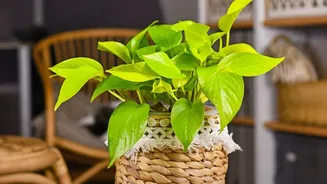
Meet the Pothos: The Cheerful Trailer
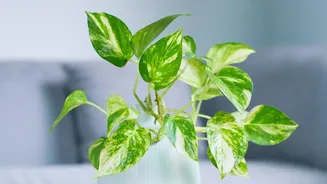
Pothos, also known as Devil's Ivy (Epipremnum aureum), is another beginner-favourite, beloved for its heart-shaped leaves and lush, trailing vines that can quickly add a tropical vibe to a room. It's incredibly versatile; you can let its vines cascade from a hanging basket, trail down a bookshelf, or even train it to climb a small trellis on your desk. Popular varieties include the Golden Pothos with its yellow-splashed leaves, the elegant 'Marble Queen', and the vibrant 'Neon' Pothos. It’s known for being a fast grower, which provides a satisfying sense of accomplishment for new plant parents.
Caring For Your Pothos
Pothos is also very forgiving but slightly thirstier than a snake plant. It prefers its soil to dry out between waterings; a good indicator is when the top inch or two of soil feels dry. This typically translates to watering every one to two weeks. Pothos will even give you a visual cue when it's thirsty, as its leaves will start to look a little droopy. It thrives in bright, indirect light but can tolerate lower light levels, though its variegation may fade. Like the snake plant, it doesn't require heavy feeding, but a monthly dose of standard houseplant fertiliser during the growing season will encourage lush growth.
The Truth About Air Purification
Both snake plants and pothos were featured in a famous 1989 NASA study for their ability to remove airborne toxins like formaldehyde and benzene. This has led to their widespread reputation as 'air-purifying' plants. However, it's important to have realistic expectations. The NASA study was conducted in small, sealed lab chambers. In a typical home with normal ventilation, you would need a very large number of plants to significantly impact air quality. While they do contribute, their primary benefits for most people are psychological—boosting mood, reducing stress, and simply making a space more beautiful and alive.
A Note on Pet Safety
An important consideration for pet owners is that both snake plants and pothos are toxic to cats and dogs if ingested. Both plants contain compounds that can cause mouth irritation, drooling, vomiting, and digestive upset. While usually not fatal unless a large amount is consumed, it's crucial to place these plants out of reach of curious pets. If you have a pet that likes to chew on things, consider placing your plant on a high shelf or in a room your pet doesn't access.
Which Plant Is Right for You?
So, how do you choose? If you are a notorious plant-killer or want a plant you can truly forget about for weeks at a time, the snake plant is your best bet. Its upright, structural form is perfect for adding height to a small space. If you prefer a faster-growing, trailing plant that gives you more visual feedback and the satisfaction of seeing new leaves unfurl regularly, choose the pothos. It’s slightly more forgiving of an occasional overwatering than the snake plant. Ultimately, both are excellent choices that reward minimal effort with lasting greenery.