




The Science Behind Humidity Breakouts
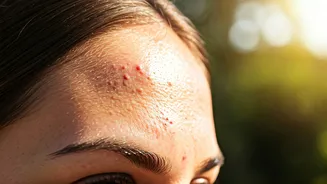
High humidity is a perfect storm for acne-prone skin. When there's a lot of moisture in the air, your sweat doesn't evaporate as quickly. This traps heat, sweat, and oil on your skin's surface. According to dermatologists, this rise in temperature and moisture signals
your sebaceous glands to produce even more oil, or sebum. This excess oil then mixes with dead skin cells, dirt, and bacteria, creating a sticky mixture that clogs pores. This environment is a breeding ground for acne-causing bacteria, leading to inflammation and those frustrating pimples, blackheads, and whiteheads that seem to pop up overnight. The humidity can also cause your skin's pores to swell, making them more likely to trap this debris.
Adjust Your Cleansing Strategy
Fighting humidity-driven acne starts with a solid cleansing routine. It’s crucial to wash your face twice a day—morning and night—to remove the build-up of sweat, oil, and impurities. However, avoid harsh, stripping cleansers that can dry out your skin and, ironically, trigger even more oil production as your skin tries to compensate. Instead, opt for a gentle, gel-based cleanser. For those particularly sticky days or if you wear makeup and sunscreen, consider double cleansing. Start with an oil-based cleanser to dissolve surface-level grime and sunscreen, then follow up with a water-based cleanser to deep clean your pores. After exercising or significant sweating, it's important to cleanse your face and change out of sweaty clothes as soon as possible to prevent breakouts on your face and body.
Lighten Up Your Moisturiser and Sunscreen
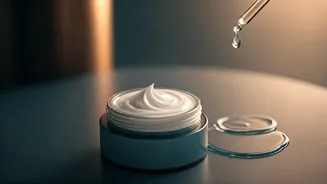
It might seem counterintuitive to moisturise when your skin already feels slick, but skipping this step is a mistake. Dehydrated skin can overcompensate by producing more oil. The key is to switch from heavy, occlusive creams to lightweight, oil-free formulas. Look for gel or water-based moisturisers that hydrate without feeling heavy or greasy. The same logic applies to sunscreen, which is non-negotiable. Many sunscreens can be thick and pore-clogging. To protect your skin without contributing to breakouts, choose formulas labelled “non-comedogenic,” meaning they won’t clog pores. Mineral-based sunscreens containing zinc oxide or titanium oxide are often a good choice for acne-prone skin.
Incorporate Key Active Ingredients
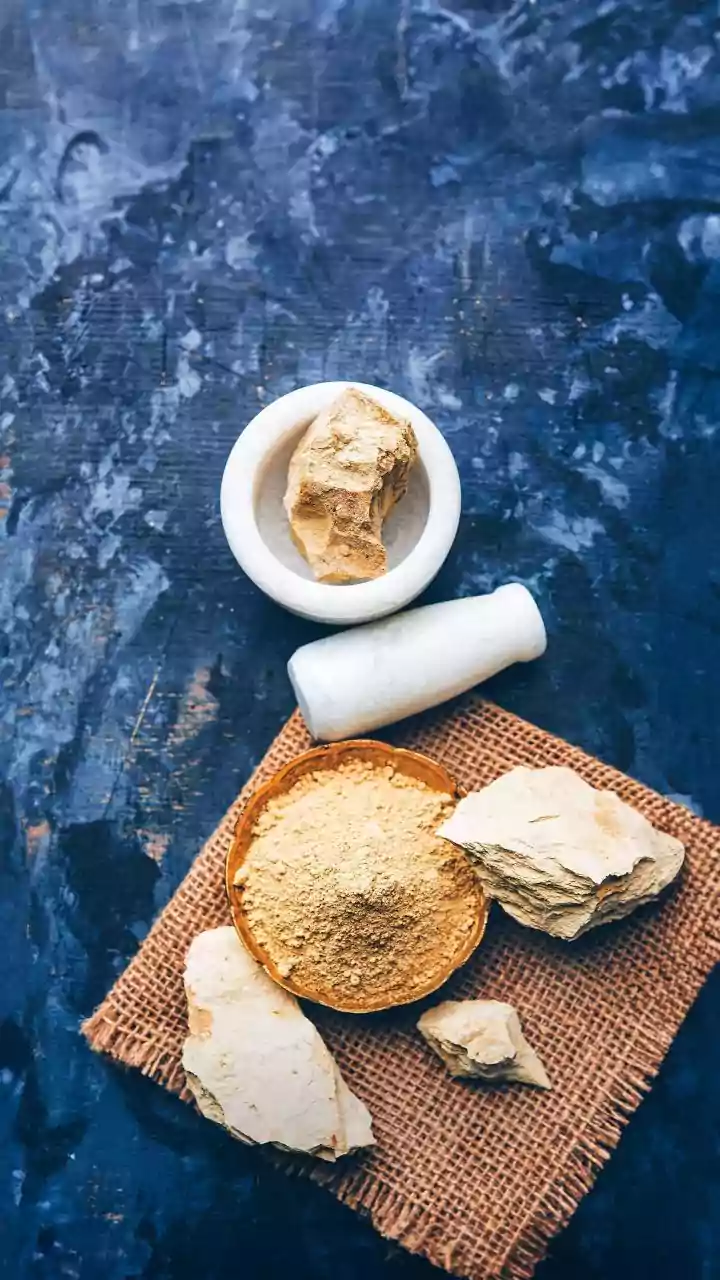
Certain ingredients are particularly effective for managing oily, breakout-prone skin in humid conditions. Salicylic acid, a beta-hydroxy acid (BHA), is a hero ingredient because it's oil-soluble, allowing it to penetrate deep into pores to dissolve clogs and exfoliate from within. Niacinamide, a form of vitamin B3, is another powerhouse; it helps regulate sebum production, reduce inflammation, and strengthen the skin barrier. Hyaluronic acid is also beneficial. As a humectant, it draws moisture from the humid air into your skin, providing lightweight hydration. Finally, a clay mask used once or twice a week can help absorb excess oil and detoxify the skin.
Simple Lifestyle Habits to Adopt
Beyond your skincare products, a few simple lifestyle adjustments can make a big difference. Try to avoid touching your face throughout the day, as your hands can transfer oil and bacteria that lead to breakouts. When you're outdoors in the heat, keep a clean cloth to gently pat away sweat instead of letting it sit on your skin. Opt for breathable fabrics like lightweight cotton to help wick moisture away from your body, reducing the chances of body acne. Staying hydrated by drinking plenty of water and maintaining a balanced diet rich in antioxidants can also support your skin's health from the inside out.