





So, What Is 'Gut Health' Anyway?
At its core, ‘gut health’ refers to the balance of microorganisms living in your digestive tract. Think of your gut as a bustling, vibrant city populated by trillions of microbes—bacteria, viruses, and fungi. This community is called the ‘gut microbiome’.
For a long time, we thought of bacteria as purely bad news. But scientists now understand that a rich and diverse microbiome is crucial for your overall health. These tiny residents help you digest food, produce essential vitamins, regulate your immune system, and even influence your mood. When people talk about improving their gut health, they’re really talking about nurturing this internal ecosystem, ensuring the ‘good’ bacteria thrive and keep the ‘bad’ ones in check.
Why the Sudden Obsession?
The buzz isn't coming from nowhere. It's a perfect storm of scientific discovery, celebrity culture, and a post-pandemic shift in how we view health. Firstly, the science has become incredibly compelling. Researchers are consistently uncovering new links between the gut and other parts of the body, most notably the 'gut-brain axis'. This connection suggests that the state of your gut can directly impact your mental health, influencing everything from anxiety to focus. Secondly, when wellness influencers and celebrities like Deepika Padukone speak openly about health—both mental and physical—it removes stigma and creates trends. The message that what you eat affects how you feel has gone mainstream. Finally, after years of focusing on reactive medicine, there’s a growing desire for proactive wellness. People want to strengthen their immunity and build resilience, and a healthy gut is now seen as a foundational pillar for achieving that.
Separating Fact from Fermented Fiction
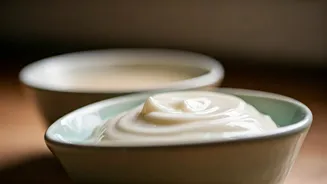
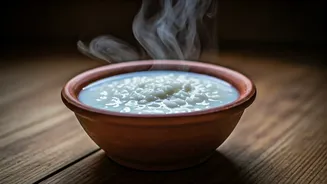
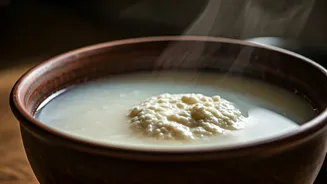
With any trend comes a wave of marketing and misinformation. It’s important to know what’s backed by science and what’s just clever salesmanship. The good news is that the foundation of gut health is simple and accessible. The most proven way to support your microbiome is through diet. Eating a wide variety of plant-based foods—fruits, vegetables, legumes, and whole grains—provides fibre, which acts as food for your good gut bacteria. Many traditional Indian foods are naturally fantastic for the gut. A simple bowl of homemade dahi is packed with probiotics. Fermented foods like idli, dosa, and dhokla also contribute to a healthy gut environment. The fiction lies in the idea that you need expensive, imported powders or supplements to be healthy. While specific probiotic supplements can be useful for certain medical conditions under a doctor’s guidance, they are not a magic bullet for the average person. Be wary of costly 'gut cleanse' kits or food sensitivity tests that lack strong scientific backing. More often than not, a balanced diet beats a fancy pill.
Simple Steps for a Happier Gut
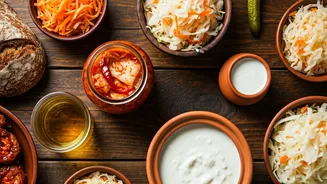
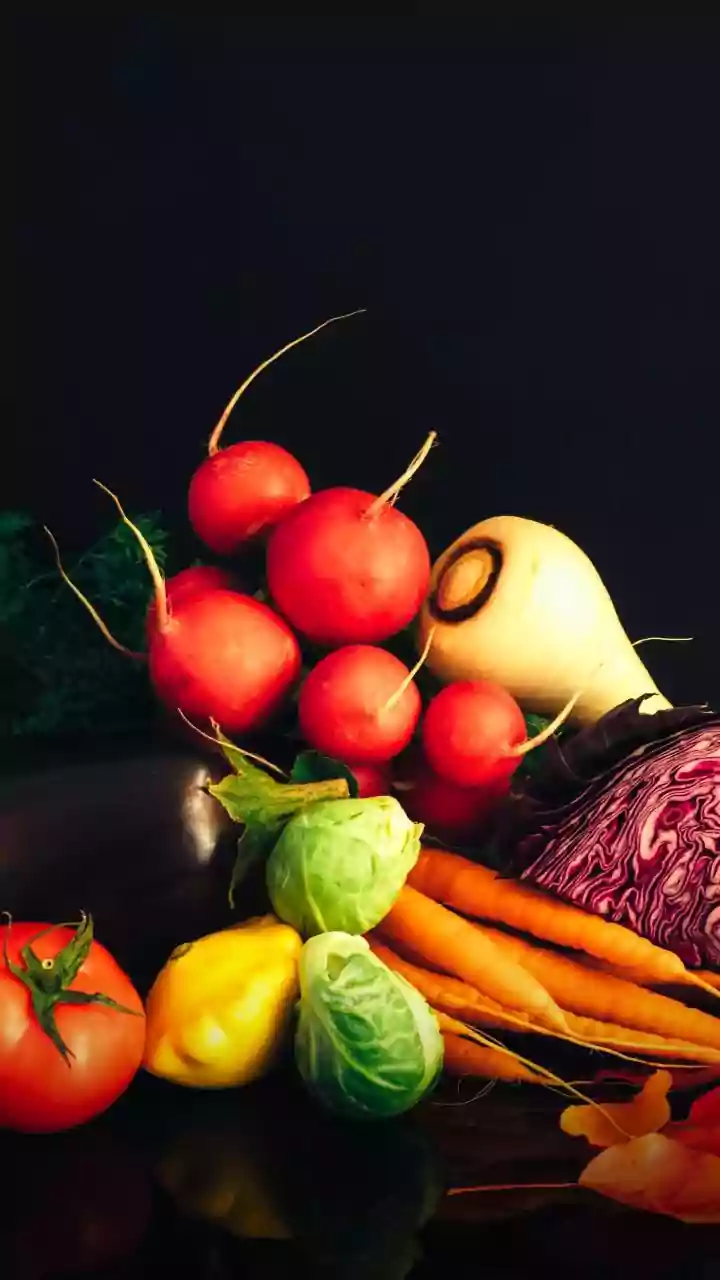
You don't need a complete lifestyle overhaul or a big budget to start improving your gut health. Small, consistent changes can make a huge difference. Start by 'eating the rainbow'—aim for diversity on your plate to feed a wider range of microbes. Make friends with fibre; choose whole grains like millet and brown rice over refined flour. Incorporate naturally fermented foods like dahi or homemade pickles into your daily meals. Beyond food, remember the gut-brain connection works both ways. Chronic stress can wreak havoc on your microbiome, so managing it through practices like yoga, meditation, or simply taking a walk is crucial. Prioritise getting 7-8 hours of quality sleep, as this is when your body, including your gut, repairs itself. And finally, the simplest advice of all: drink enough water. It’s fundamental for digestion and overall health.