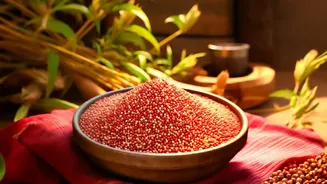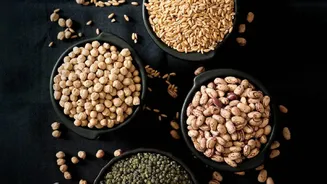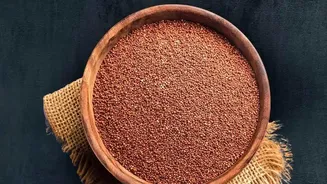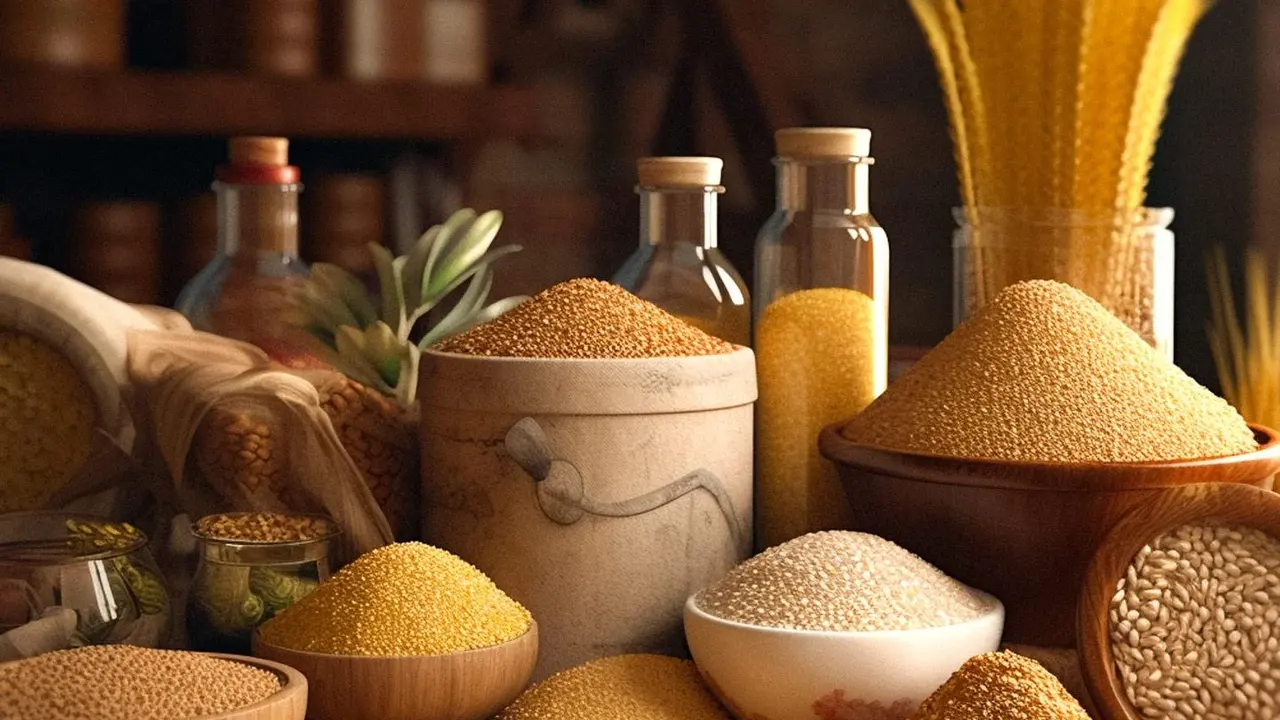



The five o'clock scramble for a healthy dinner is a familiar challenge. Ancient grains, which have been nourishing people for centuries, offer a modern solution: they're fast, versatile, and packed with nutrients.
What Exactly Are Ancient Grains?
The term 'ancient grains' refers to grains that
have remained largely unchanged by modern breeding and agriculture over the last several hundred years. Unlike many modern grains that are often refined, ancient grains are typically eaten in their whole form, preserving more of their natural fibre, protein, vitamins, and minerals. Many offer nutty, earthy flavours and satisfying textures that can elevate simple dishes. They are nutritional powerhouses perfect for today's health-conscious, time-crunched cooks.
Quinoa: The Popular Powerhouse
Quinoa is often the first grain that comes to mind, and for good reason. Technically a seed, it's treated as a grain in the kitchen and cooks in just 15 to 20 minutes. It's known for being a 'complete protein', meaning it contains all nine essential amino acids, making it a fantastic option for vegetarians and anyone looking to boost their protein intake. One cooked cup provides about 8 grams of protein and 5 grams of fibre. Its light, fluffy texture makes it a perfect swap for rice, a great base for salads, or an addition to soups.
Bulgur: The Fastest Grain on the Block
If speed is your top priority, look no further than bulgur. Made from pre-cooked, dried, and cracked wheat, it can be ready in as little as 10-15 minutes. Medium or coarse grinds need a quick simmer, while fine bulgur simply requires a 10-minute soak in hot water. Popular in Middle Eastern cuisine, bulgur has a pleasant, nutty flavour and chewy texture. It's exceptionally high in fibre, with a single cup packing about 8 grams, promoting digestive health and satiety. It's the perfect grain for quick salads like tabbouleh or hearty pilafs.
Millet: The Versatile, Budget-Friendly Gem
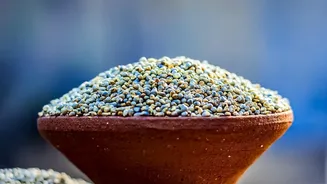
Millet is a naturally gluten-free grain with a mild, slightly sweet corn-like flavour. It cooks in about 20 minutes and can be prepared to have different textures; use less water for a fluffy, quinoa-like result or more water for a creamy, porridge-like consistency. It's a good source of protein, fibre, and essential minerals like magnesium and phosphorus. Millet is also rich in antioxidants and has a low glycemic index, which helps manage blood sugar levels. It works well in both sweet and savoury dishes, from breakfast bowls to a side dish for curries.
Amaranth: The Tiny Nutrient Bomb
These tiny seeds pack a serious nutritional punch. Like quinoa, amaranth is considered a complete protein and is naturally gluten-free. It cooks in about 20 minutes, developing a gelatinous, porridge-like texture, which makes it an excellent thickener for soups and stews. One cup of cooked amaranth contains over 9 grams of protein and is an excellent source of minerals like manganese, magnesium, phosphorus, and iron. With its earthy, nutty taste, it’s a wonderful base for a hot breakfast cereal or can be mixed with other grains to boost their nutritional value.