


Beyond the Basic Peanut Butter
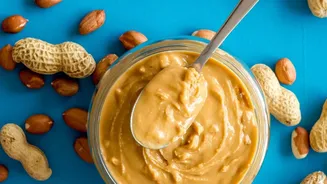
For years, the world of spreads has been dominated by peanut butter and its nutty cousins. But a quieter, healthier revolution has been churning in the background. Enter seed butters. Made by grinding down raw or roasted seeds, these spreads are nutritional
powerhouses. Sunflower, pumpkin, flax, and hemp seeds are being transformed into creamy, delicious butters that offer a fantastic alternative for those with nut allergies and a nutritional upgrade for everyone else. Sunflower seed butter, for example, packs significantly more Vitamin E, iron, and magnesium than traditional peanut butter. It offers a similar nutty satisfaction but opens the door to a whole new world of flavours and health benefits.
The Art of Roasting and Grinding
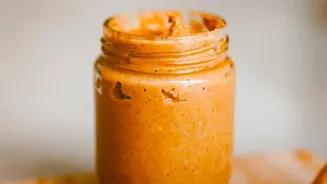
The magic of any great seed butter begins with the seeds themselves. Roasting is a crucial first step, a process that does more than just heat the seeds. It deepens their flavour, releasing fragrant oils and creating a richer, nuttier base. This toasting process is key to avoiding a bland or overly 'green' taste. Once roasted to perfection, the seeds are sent to a food processor or high-powered blender. The grinding process is a patient one; the seeds first become a coarse crumble, then a thick paste, and finally, after several minutes, a smooth, creamy butter as their natural oils are released. It's this transformation from solid to silky that defines the texture of the final product.
A Symphony of Regional Spices
Here is where the 'spiced' element truly shines, especially within the Indian context. Artisanal producers are moving beyond simple salt and sugar, incorporating complex and aromatic regional spice blends. Imagine a pumpkin seed butter infused with the warmth of garam masala, the earthiness of cumin, and a hint of turmeric's golden glow. Some creators blend in warming spices like cinnamon, ginger, cardamom, and nutmeg, creating a profile reminiscent of chai. Others might add a pinch of chili for a surprising kick. Spices like amchur (dry mango powder) can add a tangy note, while asafoetida and curry leaves can create a more savoury, traditionally inspired flavour, proving the versatility of these butters.
What Makes It 'Artisanal'?
The term 'artisanal' isn't just a fancy label. It signifies a commitment to quality and process. Unlike mass-produced butters that may contain hydrogenated oils, refined sugars, and artificial stabilisers, artisanal butters focus on purity. They are typically made in small batches, which allows for greater control over the roasting process and flavour balance. The ingredient lists are often refreshingly short: seeds, spices, perhaps a touch of natural sweetener like jaggery or maple syrup, and a pinch of salt. This small-scale approach ensures a richer, more nuanced flavour profile and a product that is as clean as it is delicious.
More Than Just a Topping for Toast
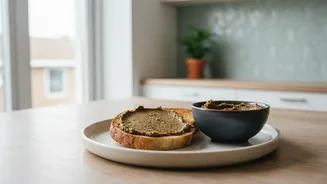
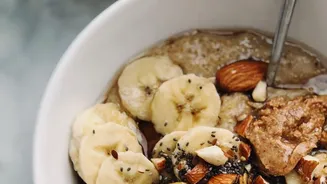
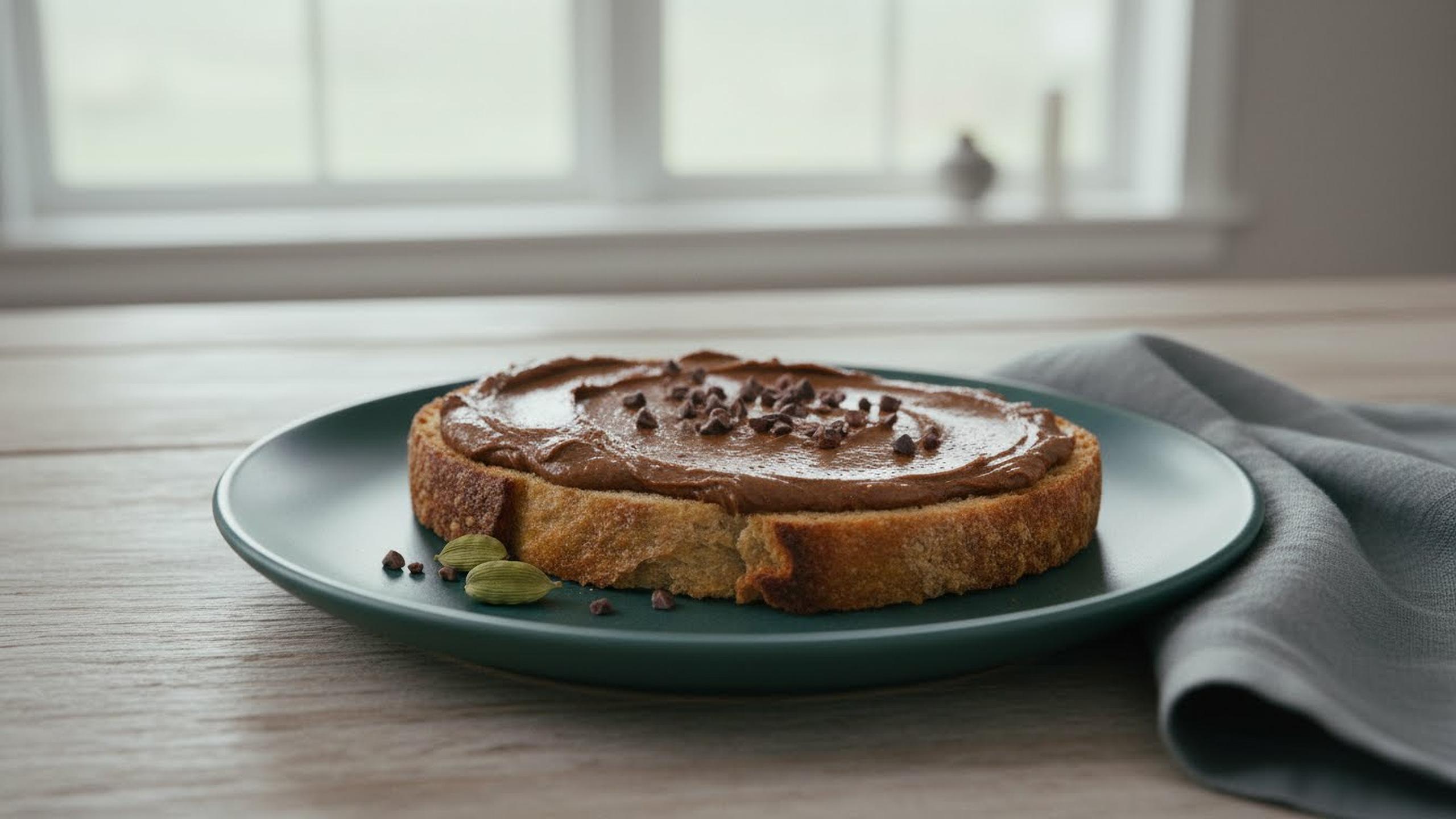
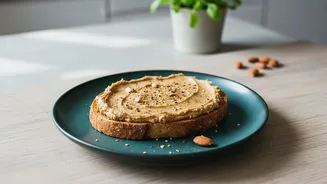
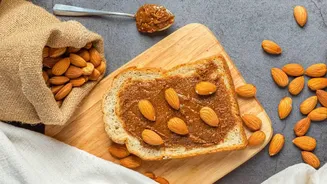
While spreading it on a warm slice of sourdough is a perfect starting point, the use of spiced seed butters extends far beyond breakfast. Their creamy texture and complex flavours make them an incredibly versatile ingredient in the kitchen. Stir a spoonful into your morning oatmeal or smoothie for a boost of protein and healthy fats. Use it as a base for a savoury sauce or dressing for salads and grain bowls. Blend it into energy balls for a healthy snack, or even use it in baking to replace traditional butters or oils in cookies and muffins. A spiced seed butter can transform a simple dish into something truly special.