






A Shock Defeat in Odense
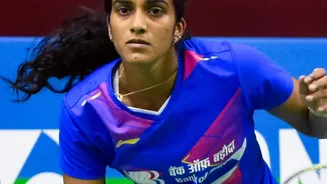
The latest trigger for this widespread concern came at the Denmark Open Super 750 on Tuesday, October 13. Sindhu, a two-time Olympic medallist, was stunned in the first round by Germany's Yvonne Li, a player ranked significantly lower at world number
50. What made the loss particularly jarring was the manner of the defeat. After winning the first game comfortably 21-13, Sindhu failed to close out the match, losing a nail-biting second game 23-25 before faltering in the decider 19-21. The Indian star was in a commanding position in the final game, leading 19-15, before Li reeled off six consecutive points to seal a dramatic victory. It was Li's first-ever win against Sindhu, a result that sent shockwaves through the badminton world.
A Pattern of Disappointment
Viewed in isolation, any top player can have an off day. However, this defeat is not an isolated incident. It is part of a broader pattern of inconsistent results that have plagued the 31-year-old superstar in recent times. Just last week, she exited the Arctic Open in the quarterfinals. The Asian Games last month ended in quarterfinal heartbreak, where she admitted the demanding schedule took a toll. A similar story unfolded at the BWF World Championships on home soil in August, where she made a pre-quarterfinal exit after a gruelling three-game battle, a result she described as one that 'hurts a lot'. These early exits, especially in major tournaments where Sindhu has historically shone, are becoming more frequent, leading to valid questions about her ability to consistently compete at the highest level.
The Challenge of Closing Out Matches
A recurring theme in Sindhu's recent losses has been her struggle to close out tight matches from winning positions. Against Yvonne Li, she had match points in the second game and a significant lead in the third, but couldn't convert. At the Asian Games, she was just three points away from victory in the quarterfinals before letting the lead slip. This difficulty in delivering the final blow during crucial moments points towards a potential dip in either mental fortitude or physical endurance, or perhaps a combination of both. In a sport decided by the finest of margins, this inability to dominate the critical final points of a game is a significant red flag for an elite athlete who has built a career on big-match temperament.
The Counterpoint: Form is Temporary
However, it would be premature to write off a champion of Sindhu's calibre. Every great athlete experiences periods of slump. Her career, which began its senior run in 2011, has been long and physically demanding. She has overcome challenges before, including a significant ankle injury in 2022, and has shown remarkable resilience. It's worth remembering she won the Japan Open Super 750 title just this July, a testament that her best game is still accessible. Many experts, including her former coach Pullela Gopichand, have previously stated that dips in form are not a major cause for concern and that she has the ability to bounce back. A period of recalibration, focusing on strategy and recovery, could be all that's needed to see her return to her dominant ways.
What Does the Future Hold?
At 31, Sindhu is now a veteran on the tour. The world of women's badminton is fiercely competitive, with a new generation of younger, faster players like An Se-young dominating the circuit. For Sindhu, the path forward will require immense grit and perhaps a strategic evolution in her game. Her legacy as one of India's greatest-ever athletes is already secure, with an unprecedented two individual Olympic medals and a World Championship gold to her name. The question is no longer about building a legacy, but about how she wishes to write its final chapters. Her fighting spirit is legendary, and it is this spirit that millions of fans hope will power her through this challenging phase.