






The Spirit of Shravan Cooking
The dietary traditions of Shravan are deeply rooted in Ayurvedic principles of eating for balance and clarity. The focus is on a ‘sattvic’ diet, which promotes pure, natural, and light foods that are easy to digest and calming for the mind. This approach
is especially relevant during the monsoon season, when digestion is considered to be weaker. The diet traditionally excludes meat, eggs, and often pungent ingredients like onion and garlic, which are believed to be ‘rajasic’ or ‘tamasic’—qualities that can create agitation or dullness. By setting these aside, the culinary stage is cleared for vegetables to truly shine, encouraging a more mindful and creative approach to cooking.
Beyond Potato and Paneer
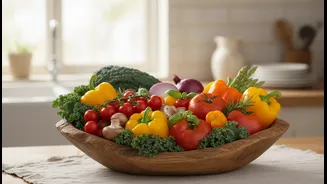
While potatoes and paneer are beloved staples of fasting cuisine, Shravan is an invitation to explore the vast world of vegetables. Think of the variety of gourds available this season—bottle gourd (lauki), ridge gourd (turai), and pumpkin (kaddu) are all wonderfully versatile. They can be transformed into simple stir-fries, comforting curries, or even silky soups. Root vegetables like sweet potato (shakarkandi) and taro root (arbi) offer substance and a satisfying texture. Raw banana can be used to make crisp fries or a hearty sabzi. Exploring this diversity not only adds nutritional value but also prevents mealtime monotony, making each day a new culinary discovery.
The Power of Simple Spices
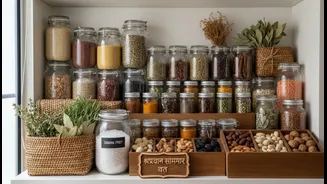
Cooking without onion and garlic can seem like a challenge, but it’s an opportunity to master the art of subtle flavouring. This is where simple, sattvic spices come into their own. Cumin seeds, popped in a little ghee or oil, provide a warm, earthy base. Grated ginger and finely chopped green chillies add a fresh, pungent kick that can replace the sharpness of garlic. Turmeric brings colour and its well-known health benefits, while a sprinkle of black pepper can add a final note of heat. Fresh herbs like coriander are invaluable for finishing a dish with a burst of freshness. A pinch of asafoetida (hing) can also mimic the savoury depth of onions and garlic in many dishes.
Techniques to Elevate and Excite
How you cook a vegetable is just as important as how you spice it. Instead of just boiling or making a simple wet curry, try different techniques to bring out new textures and flavours. Roasting vegetables like pumpkin, sweet potato, and carrots concentrates their natural sugars, making them incredibly sweet and delicious. A quick stir-fry over high heat keeps greens crisp and vibrant. Steaming is a fantastic way to cook vegetables gently, preserving their nutrients and delicate flavours. You could also try making vegetable ‘koftas’ from grated lauki or raw banana, simmered in a light, tomato-based gravy (if your tradition allows tomatoes). These methods turn everyday vegetables into something special.
Making Vegetables the Main Event
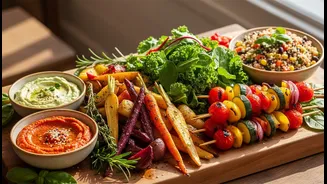
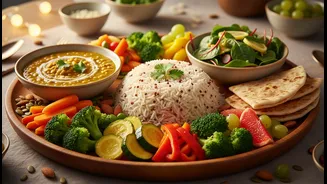
The ultimate goal is to shift your mindset from vegetables as a side dish to vegetables as the star. Build your meals around them. A well-made platter of assorted roasted vegetables can be a satisfying meal in itself. Think about creating a colourful thali featuring several small vegetable preparations—a dry sabzi, a lentil dish made with vrat-friendly pulses like moong, a raita, and a fresh salad. Stuffed vegetables, whether it's bell peppers, tomatoes, or bitter gourd, feel like a celebration. By giving vegetables the attention and creativity they deserve, you can create meals that are not just compliant with Shravan traditions, but are genuinely wholesome, flavourful, and fulfilling.