



The Shift to Healthier Sips
Across India, consumers are becoming more conscious of what they drink, leading to a surge in demand for healthier alternatives to conventional soft drinks. This shift has opened the door for innovative, small-batch creators who prioritise natural ingredients
and mindful production. The low- and no-sugar beverage segment has seen significant growth, reflecting a broader trend towards wellness and authenticity. Brands are moving beyond simply removing sugar and are focusing on 'functional' drinks that offer benefits like probiotics and natural antioxidants. This is where the magic of the Nilgiris comes in, offering a perfect palette of ingredients for this new wave of beverages.
Nilgiri Tea: The Perfect Base
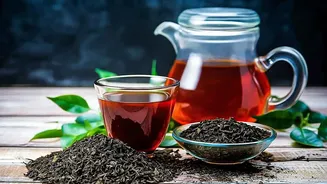
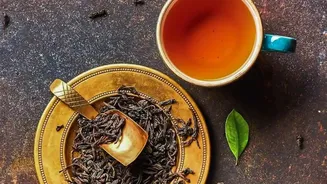
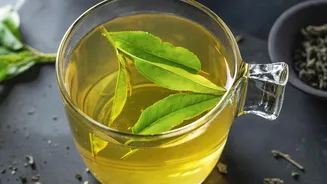
Often called the “third cousin” to the more famous Assam and Darjeeling teas, Nilgiri tea is finally getting its moment in the spotlight. Grown in the Blue Mountains of Southern India, its unique terroir gives it a brisk, clean, and aromatic character with floral and citrusy notes. Crucially, Nilgiri tea is naturally low in astringency and tannins, meaning it rarely becomes bitter. This quality makes it an exceptional base for brews intended to be consumed without heaps of sugar. It’s particularly prized for iced teas and cold brews because it remains crystal clear when chilled, unlike other black teas that can turn cloudy.
The Art of Low-Sugar Brewing
So, how do these makers achieve such flavourful brews without the sugar? The primary methods are fermentation and infusion. For fermented drinks like kombucha, a symbiotic culture of bacteria and yeast (SCOBY) is added to sweetened Nilgiri tea. The SCOBY consumes most of the sugar during fermentation, transforming the tea into a tangy, fizzy beverage packed with probiotics. Artisanal brands like Mountain Bee specifically use Nilgiri tea leaves for some of their exotic kombucha flavours, developing complex tastes through controlled fermentation. The natural sweetness of the tea itself, combined with a careful fermentation process, results in a final product that is low in residual sugar. For non-fermented drinks, the technique is all about infusion. Makers steep high-quality orthodox Nilgiri tea and infuse it with real fruits, allowing their natural sweetness and flavours to permeate the brew.
A Bounty of Local Fruits
The Nilgiris region is not just a tea paradise; it's also home to a diverse range of fruits that pair beautifully with its tea. Artisans are using everything from passion fruit, peaches, and plums to more exotic local varieties like mangosteen, rambutan, and wild berries. By using whole or pulped fruit instead of artificial syrups, makers can impart authentic flavour and a gentle sweetness to their brews. A splash of passion fruit, a few slices of peach, or a handful of wild raspberries can transform a simple tea into a sophisticated, layered drink. This method not only keeps the sugar content down but also adds vitamins and antioxidants from the fruits themselves.
Flavourful, Functional, and Indian-Made
The result of this thoughtful combination is a new category of beverages that are both delicious and beneficial. These low-sugar brews offer the antioxidant properties of black tea and the vitamins from fresh fruit, all while supporting gut health in the case of kombucha. Brands like Toyo Kombucha even offer zero-sugar variants for the most health-conscious consumers. This movement is about more than just a recipe; it's a philosophy. It champions local agriculture, celebrates the unique character of Indian ingredients, and provides a sophisticated alternative for discerning drinkers who want flavour without compromise. It’s a return to real ingredients, crafted with care.