







Why Your CV Is No Longer Enough
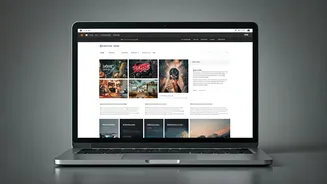
Think of your resume as the summary and your portfolio as the full story. A CV lists your skills and experiences, but a portfolio demonstrates them. For roles in design, writing, marketing, development, and even project management, showing is infinitely
more powerful than telling. When a hiring manager in Mumbai or Bengaluru has to choose between two similar CVs, the candidate with a compelling online portfolio that proves their capability will almost always get the interview. It shows initiative, technical savvy, and a clear understanding of your own value.
Start with Strategy, Not Software
Before you rush to a website builder, pause and think. What is the story you want to tell? What is your personal brand? Are you the meticulous data analyst who brings order to chaos? The creative marketer who launches viral campaigns? The reliable developer who writes clean, efficient code? Define the top three to five skills you want to be known for. Your portfolio should be a curated exhibition of these skills. Every project, every description, and every design choice should reinforce this professional identity.
Curate Your Best Work
The golden rule of portfolios is quality over quantity. No one has time to browse through 20 of your projects. Select your best 5-7 pieces of work that align with the roles you are targeting. For each project, don't just show the final product. Explain the context using a simple framework like STAR: Situation (what was the problem?), Task (what was your specific goal?), Action (what did you do?), and Result (what was the measurable outcome?). This narrative shows you are a strategic thinker, not just a doer. If you have work protected by non-disclosure agreements, create a password-protected section or describe the project in general terms, focusing on your process and the skills you used.
Showcase Your Personality
Companies don't just hire skills; they hire people. Your portfolio is a chance to show who you are beyond the bullet points. Include a well-written 'About Me' page with a professional but friendly photo. Tell your story: what drives you? What are you passionate about? Adding testimonials from previous clients or managers adds immense credibility. You could even include a short blog section where you share your thoughts on industry trends. This transforms your portfolio from a static resume into a living, breathing document of your professional journey.
Choose the Right Platform for You
The platform you choose depends on your field and technical comfort level. For visual professionals (designers, artists, photographers), platforms like Behance or Dribbble are industry standard. For developers, a well-organised GitHub profile is a non-negotiable portfolio. For writers and marketers, a simple website built on platforms like Wix, Squarespace, or even a well-structured blog on Medium can work wonders. Even a meticulously crafted LinkedIn profile, using the 'Featured' section to link to projects and articles, can serve as a powerful starter portfolio. The key is to choose a platform that is easy for you to update and looks professional.
Make It Discoverable
A brilliant portfolio is useless if no one sees it. You need to actively market it. Add the link to your portfolio in your email signature, on your CV (make it a clickable link in the PDF version), and prominently on your LinkedIn and other professional social media profiles. When you apply for a job, you can even mention a specific project in your portfolio in your cover letter, directing the hiring manager to see tangible proof of your skills. Treat your portfolio as your professional home on the internet and invite people to visit.