



The Protein Power Play
The single biggest driver behind Greek yogurt’s rise is its high protein content. While traditional dahi is a beloved and healthy staple, Greek yogurt packs a much bigger nutritional punch in this specific area. The secret is in the process: Greek yogurt is strained
multiple times to remove most of the liquid whey. This results in a thicker, creamier product that is significantly more concentrated in protein. A typical 100-gram serving of Greek yogurt can contain around 8 to 12 grams of protein, compared to just 3 to 4 grams in regular dahi. For a growing number of Indians who are tracking their macronutrients for fitness, weight management, or general wellness, this difference is a game-changer. It makes Greek yogurt a more filling snack that can support muscle recovery and keep hunger at bay for longer.
A New Wave of Health Consciousness
The Greek yogurt trend isn’t happening in a vacuum. It’s part of a larger shift in Indian consumer behaviour, especially in urban areas. There is a growing awareness of how food impacts overall well-being, moving beyond basic needs to embrace functional foods that offer specific benefits like improved gut health, immunity, or energy levels. Reports show that a significant majority of Indian consumers—as high as 69%—are actively trying to include more protein in their diets. This 'protein revolution' is reshaping grocery carts, with consumers scrutinizing labels and willing to pay a premium for products that align with their wellness goals. Greek yogurt fits perfectly into this new paradigm, offering a convenient, ready-to-eat solution for a nutrient-dense snack or meal component.
More Than Just a Side Dish
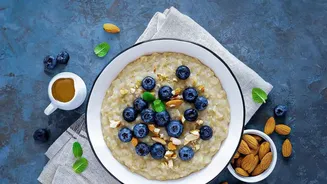
While dahi is a cornerstone of Indian meals, it is typically consumed as an accompaniment. Greek yogurt, however, has been successfully marketed as a versatile, standalone product. Brands have positioned it as a healthy breakfast bowl base, a post-workout snack, a guilt-free dessert, or a creamy ingredient for smoothies and dips. This versatility is enhanced by a wide range of flavours, from traditional fruit options like mango and strawberry to more innovative combinations. This strategic positioning has helped create new consumption occasions, moving yogurt from the dinner table to the snack box and breakfast counter. Although plain, unflavoured versions remain the healthiest choice, the variety has been crucial in attracting a wider audience.
The Brands Behind the Boom
The category was largely created and popularised in India by pioneering brands. Epigamia, launched by Drums Food International, was instrumental in introducing strained Greek yogurt to the mass consumer market and remains a benchmark for the category. The market's potential attracted global giants like Danone, which not only invested in Epigamia but is also reportedly looking to increase its stake, signalling strong confidence in the segment's future. The entry of dairy behemoth Amul has also been a critical development. By offering Greek yogurt at a more competitive price point and leveraging its vast distribution network, Amul is making high-protein dairy accessible to consumers in Tier-2 and Tier-3 cities, significantly expanding the market beyond the metros.
A Premium Product for a Target Audience
There's no ignoring the price tag. Greek yogurt is considerably more expensive than traditional dahi, a factor that keeps it a premium product. However, for its core demographic—urban consumers aged 22-40 who are digitally connected, fitness-aware, and have higher disposable incomes—the cost is a worthwhile trade-off for the perceived health benefits and convenience. The rapid growth of quick commerce platforms has also been a major enabler, making it easier than ever for these consumers to get cold-chain products like Greek yogurt delivered to their doorsteps in minutes. While dahi remains the affordable and accessible choice for the masses, Greek yogurt has successfully carved out a strong and growing niche among those prioritising protein in their diet.