


A Sweet Revolution in Home Kitchens
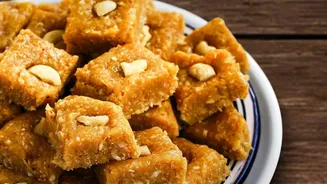
Across India, the scent of baking is changing. Instead of the simple sweetness of white sugar, a richer, more complex aroma is filling the air, one with notes of caramel and earth. This is the scent of jaggery, or 'gur', making a major comeback, not just
in traditional mithai but in modern baked goods like cakes, cookies, and brownies. This movement is led by a growing community of home bakers who are looking for healthier, more flavourful, and natural ingredients. They are consciously moving away from highly processed foods and embracing ingredients that are rooted in Indian culinary tradition. The trend is especially focused on organic and palm-based jaggery, which is seen as a purer, more nutrient-rich option.
The Appeal of a Healthier Sweetener
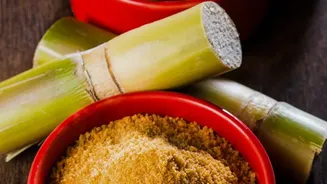
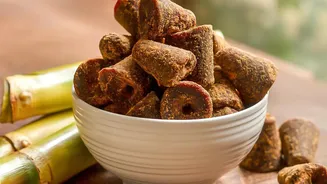
So, why the sudden shift back to jaggery? The primary driver is health. Unlike refined sugar, which is often described as providing 'empty calories', jaggery is unrefined and retains some of its natural mineral content. It is made by simply boiling and concentrating the sap from sugarcane or various palm trees, a process that preserves minerals like iron, potassium, and magnesium. Palm jaggery, in particular, is celebrated for these qualities. Another significant health aspect is its lower glycemic index (GI) compared to white sugar. Palm jaggery has a GI of around 35-45, while white sugar's is higher at about 60-65. This means jaggery releases energy more slowly, preventing the sharp spikes and subsequent crashes in blood sugar levels associated with refined sugar. While it's still a form of sugar and should be consumed in moderation, many see it as a nutritionally superior choice.
Beyond Health: The Flavour Factor
The move towards jaggery isn't just about what's being left out; it's also about what's being added in terms of flavour. Refined sugar provides a straightforward sweetness, but jaggery offers a more complex and rustic taste profile. Depending on its source—sugarcane, date palm, or palmyra palm—jaggery can have deep caramel, molasses, chocolatey, or even slightly smoky notes. This depth adds a new dimension to baked goods. A simple banana bread becomes more aromatic, a chocolate chip cookie gains a distinctive chewiness and an earthy warmth, and a simple tea cake develops a richer, moister crumb. Home bakers are finding that this complexity allows them to create treats that are not just sweet, but genuinely flavourful.
The Baker's Guide to Making the Switch
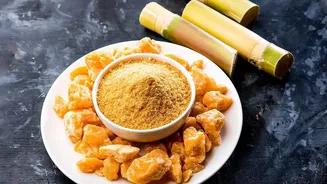
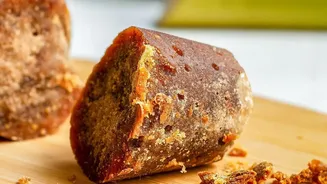
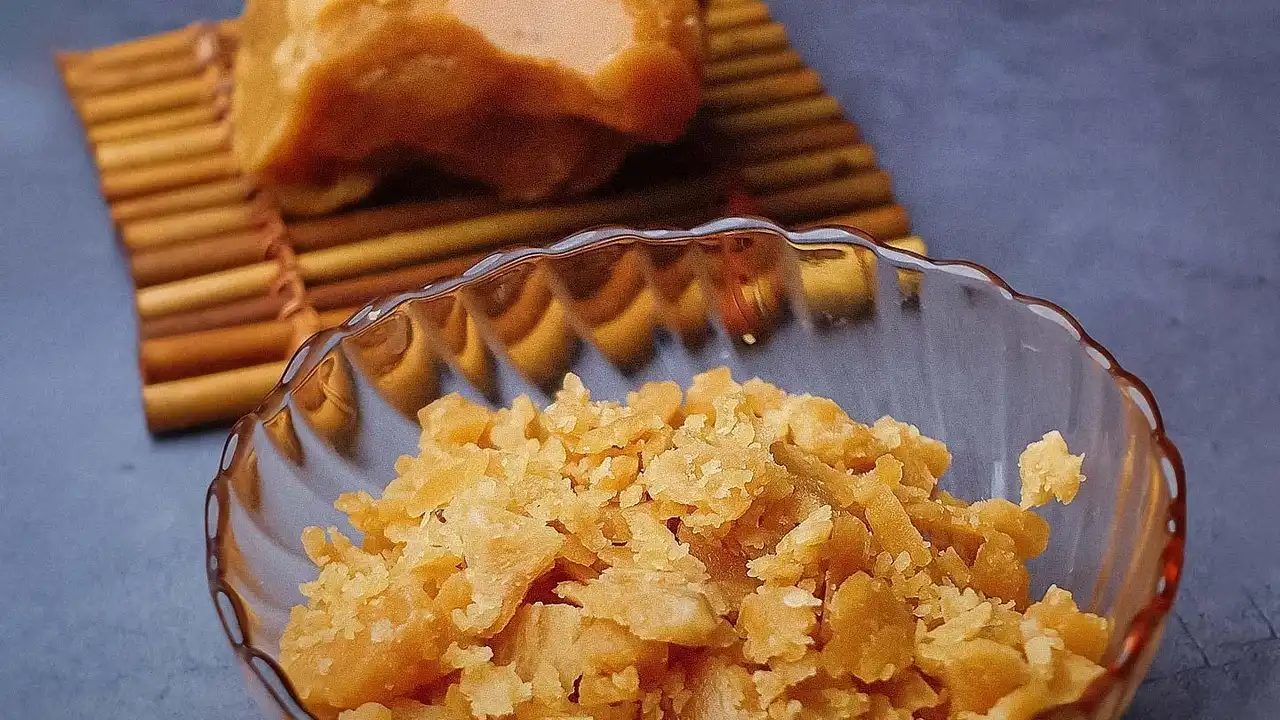
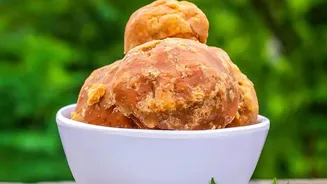
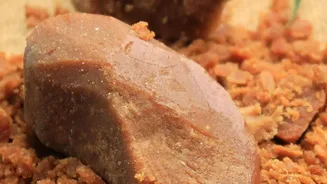
Successfully substituting jaggery for sugar isn't always a straightforward 1:1 swap. Jaggery's properties are quite different from refined sugar's. For one, it contains more moisture, which can affect the texture of baked goods, often making them denser and moister—a desirable trait in cakes and muffins. Its flavour is also less intensely sweet, so you might need to adjust the quantity. Some bakers suggest using about 1.25 cups of jaggery for every cup of sugar to achieve a similar level of sweetness. Jaggery is available in various forms, including solid blocks, granules, and powder. For baking, powdered jaggery is often the easiest to work with as it dissolves more uniformly, similar to brown sugar. If you have a solid block, it needs to be grated or finely chopped before being added to the batter. While jaggery works wonderfully in dense cakes, cookies, and brownies, its heavier nature might not be suitable for very light and airy preparations like meringues.