




An Escape From Urban Burnout
For years, the path to a successful career for young Indians meant moving to a bustling metropolis like Mumbai, Bengaluru, or Delhi. However, this dream often comes with a hefty price: exorbitant rents, choking pollution, endless traffic, and a pervasive
sense of burnout. Many freelancers and remote workers earning a good income found themselves in a “middle-class trap,” where a significant portion of their earnings was consumed by high living costs, leaving little room for savings or personal well-being. The daily stress of long commutes and crowded spaces takes a toll on both mental and physical health, pushing many to question if the professional rewards are worth the personal sacrifice. This growing dissatisfaction with city life has become a powerful 'push' factor, prompting a search for a more balanced and sustainable lifestyle elsewhere.
The Irresistible Pull of the Hills
Uttarakhand, with its panoramic Himalayan views and tranquil environment, has emerged as a top contender for those seeking an escape. The 'pull' of the mountains is about more than just pretty scenery; it is about a fundamental shift in quality of life. The state offers clean air, a slower pace, and direct access to nature and adventure. Freelancers find that the peace and quiet of towns like Rishikesh, Dehradun, Mukteshwar, and Landour can significantly boost focus and creativity. The lifestyle here allows for a healthier routine, where a morning trek can replace a traffic-jammed commute and weekends can be spent exploring forests and rivers instead of crowded malls. This combination of natural beauty and a less stressful environment is proving to be a powerful magnet for a generation redefining success.
The Financial Advantage of Mountain Life
One of the most compelling reasons for the move is the significant financial relief. The cost of living in Uttarakhand's hubs is dramatically lower than in India's major cities. For instance, renting a one-bedroom apartment in Dehradun's city center can be over 65% cheaper than a similar flat in Mumbai. A budget of around ₹50,000 can secure a comfortable home in many hill towns, a sum that would barely cover rent in a prime metro area. This financial breathing room allows freelancers to save more, invest in their passions, and enjoy a higher standard of living on the same income. Cheaper daily expenses on food, transport, and leisure also contribute to a less stressful financial existence. For many, moving to the hills is not a step back financially but a strategic move towards greater economic freedom.
Bridging the Digital Divide
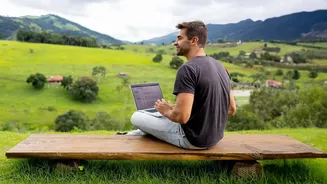
A few years ago, working from the mountains would have been a digital fantasy. Today, it's a viable reality. The Uttarakhand government has actively promoted a 'Work from Himalaya' concept by investing in infrastructure. Major hubs like Dehradun and Rishikesh now boast reliable high-speed internet, with JioFiber and Airtel Xstream offering speeds up to 300 Mbps in many areas. This has been a game-changer, making video calls and large file transfers seamless. Beyond just connectivity, a supportive ecosystem has blossomed, with numerous work-friendly cafes, coworking spaces, and homestays catering specifically to digital nomads. These establishments offer not just Wi-Fi and power backup but also a sense of community, helping freelancers combat the potential for isolation.
The Ground Realities of a Hillside Office
While the dream is appealing, it's not without its challenges. Unreliable connectivity can still be an issue in more remote villages, and even in established towns, power cuts during monsoon season can disrupt work without proper backup. The social life is quieter and different from the dynamic scene of a big city, which can lead to feelings of loneliness for some. Access to specialized healthcare, large-scale shopping, and other urban conveniences is limited. Successful mountain freelancers learn to plan ahead and embrace a more self-reliant lifestyle. The transition requires a mindset shift, trading convenience and endless options for simplicity, nature, and a stronger sense of community in a smaller setting.