





The Gymmer’s Protein Puzzle
Anyone who lifts weights knows that protein is the king of macronutrients. It's essential for repairing the microscopic muscle tears caused by training, allowing them to rebuild stronger and larger. The challenge for vegetarians is not just getting enough
protein, but getting the right quality of protein. Proteins are made of building blocks called amino acids. Our bodies can produce some of these, but there are nine, known as essential amino acids, that we must get from our food. A food source that contains all nine of these in sufficient amounts is called a 'complete protein'. While most animal products like meat, eggs, and dairy are complete proteins, most plant-based sources are not.
Why Most Plant Proteins Are 'Incomplete'
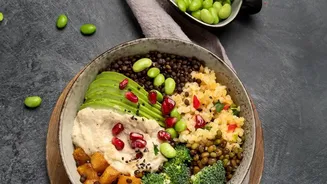
Many plant-based foods are often low or deficient in one or more of the nine essential amino acids. This doesn't make them inferior, it just means they are 'incomplete' on their own. For a vegetarian athlete, this presents a hurdle. If your diet is missing even one essential amino acid, it can limit your body's ability to synthesise new protein, potentially slowing down muscle repair and growth. This is where the concept of 'protein complementation' comes into play—the idea of combining two or more incomplete protein sources to create a complete amino acid profile. And as it turns out, Indian cuisine has been doing this intuitively for centuries.
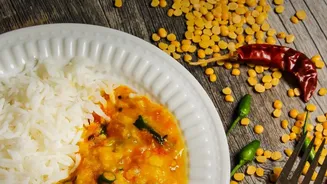
Dal and Rice: A Perfect Nutritional Partnership
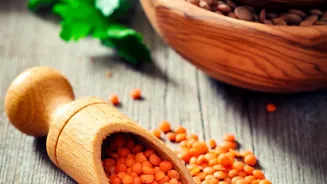
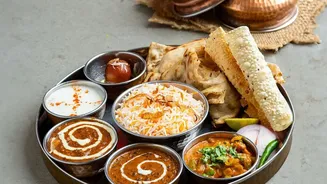
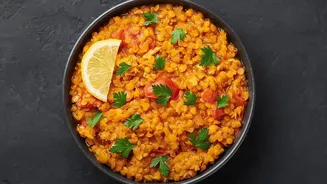
The magic of pairing dal (lentils) with rice lies in their complementary amino acid profiles. Most dals are rich in an essential amino acid called lysine but are low in two sulphur-based amino acids, methionine and cysteine. Rice, on the other hand, is low in lysine but contains adequate amounts of methionine and cysteine. When you eat them together, they perfectly fill each other's nutritional gaps. The lysine from the dal compensates for the lack of it in rice, and the methionine from the rice makes up for the shortfall in the dal. The result is a meal that delivers all nine essential amino acids, creating a first-class, complete protein that is just as effective for muscle building as animal-based sources.
More Than Just Muscle Building
The benefits of dal and rice extend far beyond protein. This combination provides a fantastic source of complex carbohydrates, which are crucial for refuelling your energy stores (glycogen) after a tough workout. Without enough carbs, your body might start breaking down muscle tissue for energy, which is the last thing a gymmer wants. Furthermore, the high dietary fibre content in lentils promotes healthy digestion and helps manage blood sugar levels by ensuring a slow release of energy. This meal is also packed with essential micronutrients like iron, folate, and magnesium, which support overall health, reduce fatigue, and aid in energy production.
Practical Tips for the Vegetarian Gymmer
To maximise the muscle-building benefits, quantity and timing are key. Active individuals aiming for muscle growth need more protein than the average person, with research suggesting a target of around 1.6 to 2.2 grams of protein per kilogram of body weight daily. While a single bowl of dal and rice is a great start, it won't meet these high demands on its own. A typical serving might offer around 12-15 grams of protein. Therefore, it's crucial to incorporate it as part of a larger, protein-focused diet. Consider having a substantial bowl of dal rice as a post-workout meal, ideally within two hours of training, to kickstart the recovery process. You can easily boost its protein content further by adding a side of paneer, a bowl of curd, or a handful of roasted nuts.