







The Golden Healer: Turmeric
A staple in every Indian kitchen, turmeric (haldi) is more than just a spice; it's a potent medicinal herb perfect for the rainy season. Its active compound, curcumin, has powerful anti-inflammatory, antioxidant, and antimicrobial properties that help
strengthen the immune system against common monsoon ailments like colds and flu. Pairing it with a pinch of black pepper can enhance curcumin's absorption, making it even more effective. A warm glass of 'haldi doodh' before bed is a timeless remedy for soothing a sore throat and boosting immunity, while adding a generous pinch to dals, soups, and vegetable stir-fries is an easy way to incorporate it into your daily meals.
The Warming Root: Ginger
Ginger (adrak) is a warming spice that works wonders during the damp, cool monsoon weather. It is renowned for its ability to soothe an upset stomach, relieve sore throats, and aid digestion, which tends to be sluggish during this season. The bioactive compound gingerol gives it its anti-inflammatory and antioxidant qualities, helping the body fight off respiratory infections. A hot cup of ginger tea, brewed with fresh slices, lemon, and honey, is a classic monsoon comfort drink that can help clear congestion and warm you from the inside out. Finely chopped or grated ginger also adds a flavourful and healthy kick to soups, curries, and vegetable dishes.
The Pungent Protector: Garlic
Don't underestimate the power of garlic (lehsun) in your monsoon diet. This pungent bulb is a powerhouse of antiviral and antibacterial properties, largely thanks to a compound called allicin. Regular consumption of garlic can enhance the immune response of white blood cells, providing a robust defence against the viruses that cause colds and flu. To maximize its benefits, it's best to consume garlic crushed or chopped. While raw garlic offers a potent punch, incorporating it generously into your daily cooking—like tempering dals or sautéing vegetables—is an effective way to leverage its immune-boosting capabilities.
Comfort in a Bowl: Lentils and Pulses
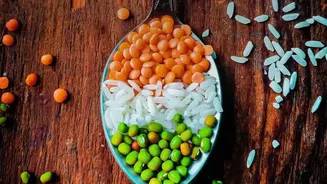
During the monsoon, Ayurveda recommends eating foods that are light and easy to digest. Lentils and pulses (dals) fit this description perfectly. Moong dal, in particular, is prized for being gentle on the stomach while providing an excellent source of protein and fibre. A warm bowl of khichdi, a simple dish made from rice and moong dal, is considered one of the best foods for the rainy season as it is both nourishing and comforting. Warm, lightly spiced lentil soups also help kindle the digestive fire, keeping your gut healthy and your energy levels stable.
Gut-Friendly Probiotics: Homemade Curd
Gut health is the cornerstone of a strong immune system, and the monsoon is a critical time to pay attention to it. Fresh, homemade curd (yoghurt) is an excellent source of probiotics, which are beneficial bacteria that support a healthy gut microbiome. A healthy gut can help prevent digestive issues that are common during the rains. It's best to consume curd during the daytime. You can enjoy it as a side with your meals, blend it into a smoothie, or make buttermilk (chaas) spiced with roasted cumin and ginger for a refreshing and digestive-friendly drink.
Seasonal Fruits and Vegetables
While it's wise to be cautious with raw foods, certain seasonal fruits and vegetables are highly beneficial. Fruits like pomegranates, apples, pears, and jamun are packed with vitamins and antioxidants that bolster immunity. They are generally considered safer options during this season. For vegetables, opt for gourds like lauki (bottle gourd) and turai (ridge gourd), as they are easy to digest and have high water content. Cruciferous vegetables like broccoli and cabbage are also good choices but must be washed thoroughly and cooked well to eliminate any risk of contamination.