

Makhan Mishri: A Divine Simplicity
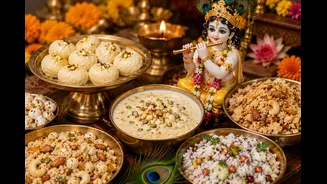
No Janmashtami offering is complete without Makhan Mishri. This dish is considered Lord Krishna's absolute favourite, reminiscent of his childhood antics as the beloved 'Makhan Chor' or butter thief. It is a beautifully simple and uncooked preparation,
symbolising pure love and devotion. To prepare it, you only need two main ingredients: fresh, unsalted white butter (makhan) and rock sugar (mishri). The process involves churning fresh cream or malai until soft butter forms. This freshly churned butter is then gently mixed with lightly crushed mishri crystals, ensuring they retain a slight crunch. A single tulsi leaf is often added as a final touch before it is offered as bhog. Its simplicity is its strength, making it the most personal and essential offering for the festival.
Dhaniya Panjiri: A Unique Festive Prasad
While not entirely milk-based, Dhaniya Panjiri is an indispensable part of Janmashtami prasad, especially in Northern India, and its richness comes from a generous amount of ghee. This unique sweet is made by roasting coriander seed powder (dhaniya) in ghee until it becomes fragrant and changes colour. It is then combined with a delightful mix of roasted nuts like almonds and cashews, fox nuts (makhana), and melon seeds. The mixture is bound together with powdered sugar or jaggery and flavoured with a hint of cardamom powder. Since many devotees fast from grains on this day, the coriander base makes it a suitable and traditional prasad to be distributed after the midnight puja. It's a wholesome, aromatic, and deeply traditional sweet that has been cherished for generations.
Kheer: The Classic Creamy Pudding
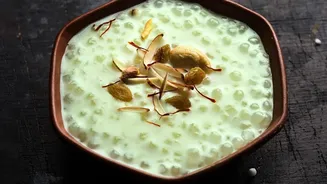
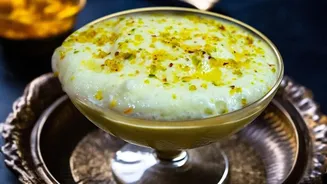
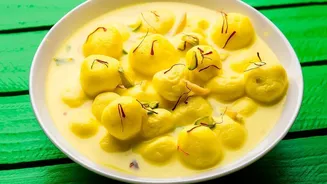
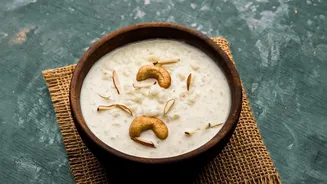
Kheer, a creamy and comforting rice pudding, is a staple dessert for nearly every Indian festival, and Janmashtami is no exception. Its preparation involves slow-cooking rice in full-fat milk until the grains are soft and the milk has thickened to a rich consistency. This slow simmering is what gives the kheer its signature creamy texture. Once the rice is cooked, sugar is added, followed by aromatic flavourings like cardamom powder and saffron strands soaked in a little warm milk. A final garnish of chopped almonds, cashews, and pistachios adds a delightful crunch. For Janmashtami, Makhana Kheer, made with fox nuts instead of rice, is also a very popular and equally delicious variation that is suitable for fasting.
Kalakand: The Grainy Milk Cake
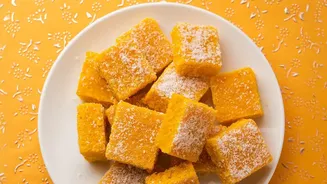
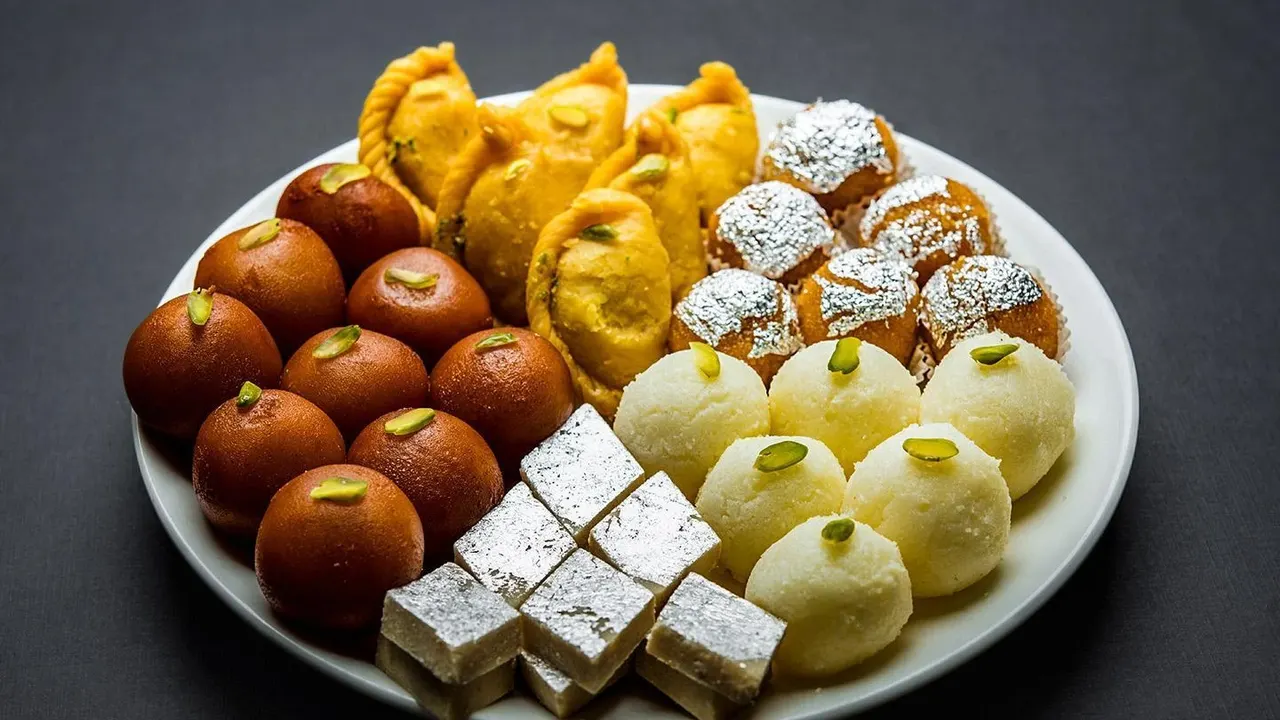
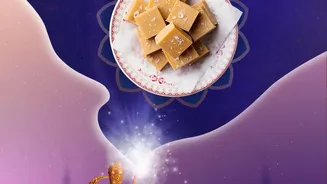
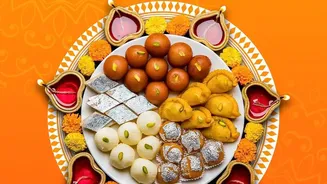
Often called an Indian milk cake, Kalakand is a rich and decadent sweet with a delightful grainy texture. It is a perfect offering for those looking to prepare something a little more elaborate. The sweet is made by combining crumbled paneer (chenna) with condensed milk or milk that has been thickened by simmering for a long time. The mixture is cooked on a low flame, stirring continuously, until it thickens into a single mass and begins to leave the sides of the pan. Flavoured with cardamom powder, it is then spread onto a greased tray, garnished with chopped pistachios and almonds, and left to set before being cut into squares. The result is a melt-in-your-mouth sweet that beautifully balances richness and texture, making it a worthy addition to the festive platter.
Mathura Peda: An Iconic Offering
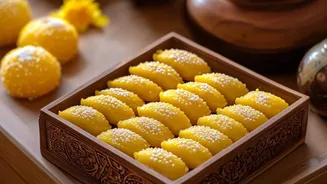
Hailing from the land of Lord Krishna's birth, Mathura Peda is an iconic sweet deeply associated with Janmashtami. This delectable sweet is made from mawa (khoya), which are milk solids. The traditional process involves roasting the mawa in a heavy-bottomed pan with ghee until it turns a rich, golden-brown colour and develops a nutty aroma. This caramelisation process gives the peda its distinctive colour and flavour. Once the roasted mawa cools, powdered sugar and cardamom powder are mixed in. The mixture is then shaped into small, round pedas which are often rolled in granulated sugar for a final textural touch. While the process can be time-consuming, instant versions using milk powder have made it easier for home cooks to recreate this beloved festival classic.