








The New Frontier of Web Design
For decades, building a website involved either learning to code or using template-based platforms that required hours of manual customization. Today, a new wave of AI-powered tools is changing the game. These platforms, often leveraging technology similar
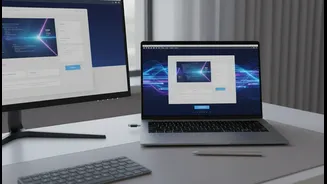
to that of ChatGPT, can interpret a simple text prompt and generate a complete website—including layout, copy, and images—in a matter of minutes. The core idea is to automate the heavy lifting of design and development, allowing users to focus on their vision rather than the technical details. By analyzing vast datasets of successful websites, these AI systems can make informed decisions about structure, user flow, and aesthetics, producing a solid first draft that is ready for refinement.
Meet the AI Website Builders
Several key players have emerged in this space, each with a slightly different approach. Platforms like Wix, Squarespace, and Hostinger have integrated AI into their existing, user-friendly editors, allowing you to generate a site and then fine-tune it with drag-and-drop controls. Tools such as Durable and Kleap are built for speed, promising a basic but functional website in under a minute from a few prompts. For designers and developers who want more control, Framer AI and TeleportHQ generate clean, editable code, bridging the gap between AI generation and professional customization. Some tools, like Lovable, even generate full-stack applications with a front-end, back-end, and database from a single description, pushing the boundaries of what's possible.
From a Simple Prompt to a Live Site
The process is remarkably straightforward. Typically, a user starts by writing a description of their business or project. For example, “Create a website for a bakery in Mumbai that specializes in vegan cakes, with a photo gallery and a contact form.” The AI then asks a few clarifying questions about target audience or desired style. Within moments, it generates a complete, multi-page site. While the initial creation is incredibly fast, the claim of building a site "within minutes" refers to this first draft. The subsequent and crucial step is customization. Users can then edit the AI-generated text, swap images, change color schemes, and adjust layouts to perfectly match their brand. This human review remains an essential part of the process.
Who Are These Tools For?
AI website builders are a game-changer for a specific segment of users. Small business owners, freelancers, artists, and entrepreneurs who need a professional online presence quickly and affordably are the primary beneficiaries. They are ideal for creating portfolios, landing pages for marketing campaigns, or simple e-commerce stores without the high cost of hiring a developer. However, they are not a one-size-fits-all solution. Businesses requiring highly complex, unique functionalities, deep database integrations, or a completely bespoke design may still find that traditional development offers more power and flexibility. These tools excel at getting you 80% of the way there, fast.
Understanding the Limitations and Costs
While the benefits are clear, it's important to be aware of the trade-offs. The primary limitation is a potential lack of originality; if inputs are vague, designs can feel generic. Advanced customization can also be restricted, as users are often confined to the platform's ecosystem. This “system lock-in” can make it difficult to migrate your site to another host in the future. Furthermore, while many services offer free trials or basic tiers, unlocking key features like a custom domain, removing ads, and accessing advanced tools almost always requires a monthly subscription. These hidden costs and the need for human oversight to ensure the final product truly represents your brand are critical factors to consider.