


The Allure of a Monsoon Safari
While many national parks close their core zones from July to September, a surprising number of reserves keep their buffer zones or specific sections open, offering a unique wildlife experience. The monsoon breathes new life into the forests; the dust
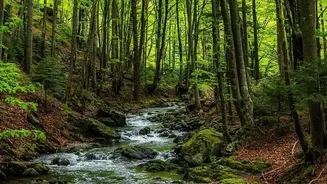
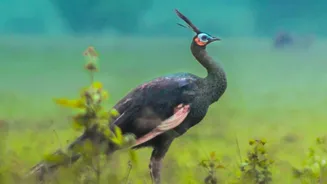
settles, the vegetation turns a vibrant emerald green, and the air feels fresh and clean. This season attracts photographers and nature lovers who prefer solitude over crowds. With fewer tourists, the experience is more serene and intimate, allowing you to hear the sounds of the jungle without interruption. Animal behaviour also changes. Some animals, including tigers, are known to use the cleared safari tracks more often to avoid waterlogged undergrowth, potentially leading to surprising encounters. Birdwatching is especially rewarding, with many resident and migratory species active during this time.
Periyar National Park, Kerala
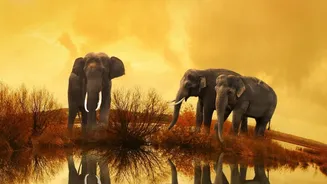
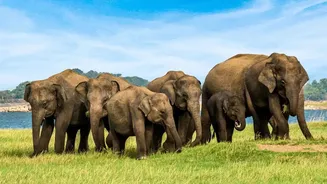
Nestled in the Western Ghats, Periyar is one of the few national parks in India that remains fully open during the monsoon and is arguably at its most beautiful. The park’s primary attraction, a boat safari on the expansive Periyar Lake, continues to operate, offering a unique vantage point to view wildlife against a backdrop of mist-covered hills. The rains rejuvenate the landscape, making the forests dense and verdant. This is an excellent time to spot herds of elephants, which are frequently seen near the water's edge. Besides elephants, you can also spot sambar, gaur, and a rich variety of birdlife, including the great Malabar hornbill. The blooming of wild orchids adds another layer of beauty to the rain-drenched surroundings.
Kabini, Karnataka
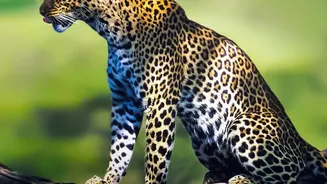
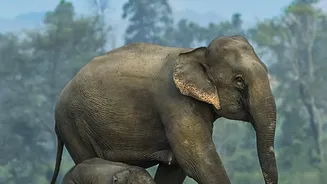
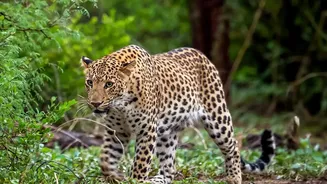
Part of the Nagarhole National Park, Kabini is widely considered one of South India’s best year-round wildlife destinations, and the monsoon is no exception. The Kabini River and its backwaters are the lifeline of this region, and the monsoon swells the reservoirs, attracting a high density of wildlife. It is particularly famous for large congregations of Asiatic elephants. Safaris, conducted by boat and jeep, offer excellent chances to spot not just elephants, but also leopards, wild dogs (dholes), and sometimes even the elusive black panther. The combination of waterways and lush forests creates dramatic, atmospheric scenes perfect for photography.
Tadoba-Andhari Tiger Reserve, Maharashtra
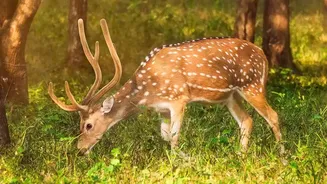
While the core areas of Tadoba close during the monsoon, several buffer gates remain open, providing a fantastic opportunity for a rainy-season safari. Located in Maharashtra, Tadoba has a high tiger density, and sightings remain possible even in the monsoon. The landscape undergoes a stunning transformation, with teak and bamboo groves turning a brilliant green. The reduced number of tourists means a more peaceful and personal experience. Besides tigers, the buffer zones are rich in other wildlife, including leopards, sloth bears, wild dogs, and various deer species. The rain-washed trails and dramatic skies make for an unforgettable jungle adventure.
Ranthambore National Park, Rajasthan
Many assume Ranthambore, known for its arid summer landscape, shuts down entirely in the monsoon. However, while the core zones (1-5) are closed, the buffer zones (6-10) remain open for safaris. Visiting during this time reveals a side of Ranthambore few get to see, as the Aravalli hills turn strikingly green and water bodies get replenished. The experience is quieter and more serene due to fewer safari vehicles. Though the dense vegetation can make tiger sightings more challenging, it's not impossible. The lush scenery provides a beautiful backdrop for spotting other wildlife like leopards, sloth bears, sambar deer, and a variety of birds.