

In our fast-paced urban lives, the desire for a home that is both beautiful and conscious is stronger than ever. Indian artisanal crafts offer a compelling answer, blending heritage with style and providing a truly sustainable decorating solution.
The Soul of Sustainability
Sustainable
decor goes beyond just being 'green'. It’s a thoughtful approach that considers the entire lifecycle of a product. This includes using natural or recycled materials, employing low-energy production methods, ensuring the product is durable, and supporting the communities that create them. Unlike mass-produced items designed for fleeting trends, handcrafted pieces are rooted in traditions of resourcefulness and longevity, making them inherently sustainable.
Nature's Palette: Eco-Friendly Materials
One of the biggest advantages of Indian handicrafts is their use of natural, locally sourced materials. Artisans across the country have for centuries used renewable resources like bamboo, jute, sabai grass, terracotta clay, and reclaimed wood. Textiles are often made from organic cotton and coloured with natural, plant-based dyes, avoiding the harsh chemicals found in industrial manufacturing. These materials are not only biodegradable but also better suited to the Indian climate, often outlasting their plastic and synthetic counterparts.
Handmade: Low Energy, High Impact
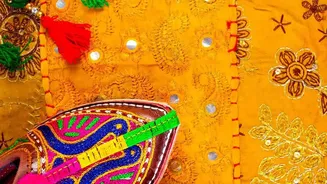
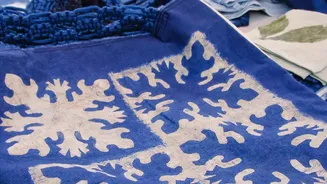
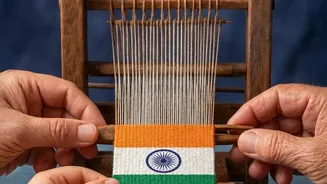
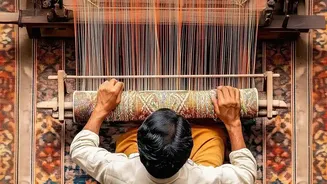
The very nature of 'handicraft' means it is made by hand, not by carbon-intensive factories. This low-energy production process significantly reduces the environmental footprint. Each piece, whether it's a block-printed textile, a hand-carved wooden cabinet, or a wheel-thrown ceramic pot, is a testament to human skill. The slight variations and imperfections are not flaws but marks of authenticity, ensuring that no two items are exactly alike and that your decor remains unique.
Social Sustainability: People and Heritage
Choosing artisanal crafts is also a vote for social sustainability. The Indian handicraft sector employs millions of artisans, many of whom are in rural or marginalised communities. Purchasing their work provides a vital livelihood, empowers women, and helps preserve cultural traditions that have been passed down through generations. It fosters economic independence and ensures that invaluable skills, from Dhokra metal casting to Kantha embroidery, continue to thrive in the modern world.
A Timeless Aesthetic for Modern Homes
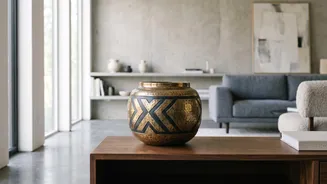
There's a common misconception that traditional crafts can't fit into a modern, minimalist urban aesthetic. In reality, their versatility is their strength. A single, statement piece like a handwoven dhurrie or a carved wooden panel can become a stunning focal point in a contemporary room. Textiles like cushion covers with Ikat or block prints can add a pop of colour and texture to a neutral sofa. The key is to mix and match with restraint, allowing the craftsmanship of each piece to shine.
Investing in Durability, Not Disposability
In an age of 'fast furniture' and throwaway culture, handcrafted items are an investment in quality and longevity. Made from robust materials and constructed with care, these pieces are built to last for decades, often becoming cherished family heirlooms. This philosophy of 'buy less, buy better' is the cornerstone of conscious consumption. By choosing a well-made, timeless piece over a trendy, disposable one, you not only reduce landfill waste but also create a home filled with objects that have a story and a soul.