








What Makes a Credit Card 'Gen Z'?
Unlike the premium, status-focused cards of the past, Gen Z credit cards are built on simplicity, transparency, and digital integration. Led by fintech players like OneCard, Slice, and Scapia, these products are mobile-first, meaning everything from application
to tracking expenses and blocking the card happens within an app. They often come with no joining or annual fees and feature reward systems that offer instant, easy-to-understand value, like direct cashback on online shopping, food delivery, and subscriptions, rather than complex points systems. Many of these cards are also linked to UPI, allowing users to scan and pay from their credit line, which feels more natural to a generation accustomed to digital payments. The core idea is to remove the friction and intimidation associated with traditional credit, making it feel less like a formal banking product and more like a seamless part of their digital life.
The Practical Impact: Building Credit vs. Falling into Debt
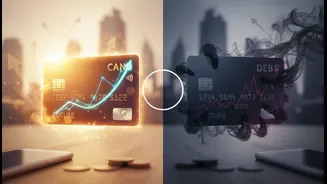
One of the most significant practical benefits of these new-age cards is the opportunity for young people to start building a credit history early. A healthy credit score is crucial for securing loans for education, vehicles, or a home later in life, and responsible card usage is a great way to build it. Many fintech cards are accessible to students or young professionals who might not meet the strict income criteria of traditional banks. However, this easy access also presents the biggest risk: the potential for overspending and accumulating debt. High interest rates on unpaid balances can quickly spiral, and the convenience of 'buy now, pay later' can encourage impulsive purchases. While Gen Z is reportedly more financially aware than previous generations, the ease of access to credit requires a strong sense of repayment discipline to avoid financial pitfalls.
A Shifting Financial Landscape
The rise of Gen Z-focused credit is reshaping India's entire retail credit market. According to reports from TransUnion CIBIL, young consumers are entering the formal credit system earlier than ever before. In fact, as of March 2026, half of all new-to-credit-card consumers in India were from Gen Z (aged 30 or below). Interestingly, for many, a credit card is no longer their first credit product. A significant portion of Gen Z consumers already have experience with small-ticket personal loans or consumer durable loans before getting their first card. This generation is not just using credit more, but also more aggressively, with nearly 28% of Gen Z cardholders spending over ₹25,000 within the first three months. This reflects a major cultural shift where credit is viewed not just as a liability for big-ticket purchases, but as a flexible tool for managing lifestyle expenses and short-term finances.
The Big Questions That Remain
Despite their growing popularity, several questions surround these new financial products. First, are the rewards truly better? While instant cashback is appealing, users need to assess if the overall value proposition beats the more comprehensive, albeit complex, reward programs of traditional cards, which might include travel benefits or lounge access. Second, what are the hidden costs? While many cards are advertised as 'lifetime free,' it's crucial to read the fine print for charges related to late payments, cash advances, or high interest rates on revolving balances, which can be as high as 49% annually. Finally, how will this early and frequent exposure to unsecured credit affect the long-term financial health of an entire generation? Reports have already flagged a rise in early-stage delinquencies among younger borrowers, highlighting that as access to credit grows, the need for responsible borrowing habits becomes more critical than ever.