


India's diverse geography is dotted with breathtaking bodies of water, each with a unique story. From serene Himalayan expanses to vibrant southern backwaters, these seven spectacular lakes offer more than just a view—they promise an experience.
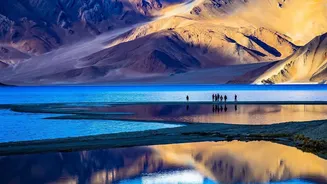
Pangong Tso, Ladakh
Famous
for its appearance in the film '3 Idiots', Pangong Tso is a high-altitude saltwater lake that stretches from India to China. Perched at about 14,270 feet, its most magical feature is its ability to change colour, shifting through shades of blue, green, and even red throughout the day. The journey itself, via the formidable Chang La Pass, is an adventure. An Inner Line Permit is required for Indian nationals to visit this remote wonder. Visitors typically stay overnight in camps or homestays at villages like Spangmik to witness the stunning sunset and sunrise, but must acclimatise in Leh for at least two days beforehand to handle the altitude.
Dal Lake, Jammu and Kashmir
Often called the 'Jewel in the crown of Kashmir', Dal Lake is the cultural and economic heart of Srinagar. It's not just a lake but a way of life, famous for its vibrant floating markets, colourful 'shikaras' (canopied boats), and iconic houseboats. Staying overnight in a carved wooden houseboat offers a unique and immersive experience. A dawn ride on a shikara to the floating vegetable market reveals a bustling community trading produce directly from their boats. Surrounded by majestic Mughal gardens and the Zabarwan mountains, Dal Lake provides a picturesque and tranquil escape.
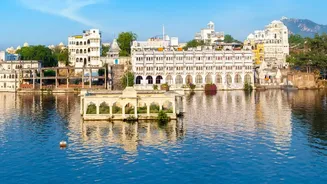
Lake Pichola, Rajasthan
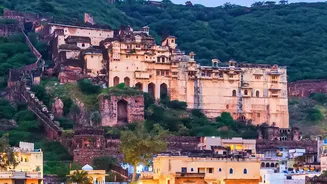
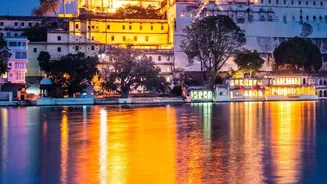
In the heart of Udaipur lies Lake Pichola, an artificial freshwater lake that defines the city's romantic character. The lake is home to four islands, including Jag Niwas, where the ethereal Lake Palace hotel sits, and Jag Mandir, another island palace you can visit. A boat ride, especially at sunset, is an essential Udaipur experience. The cruise offers breathtaking views of the massive City Palace complex rising from the eastern bank, historic havelis, and the surrounding Aravalli Hills glowing in the golden light. This man-made marvel feels like stepping into a royal painting.
Tsomgo Lake, Sikkim
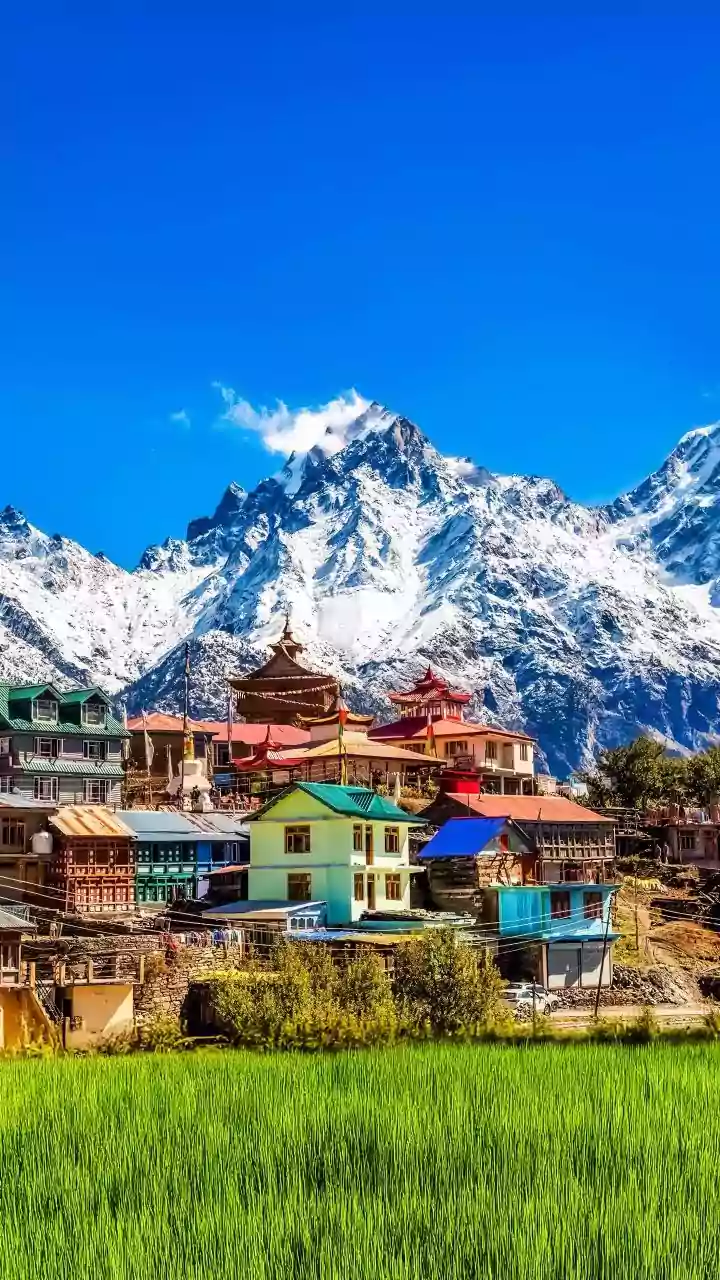
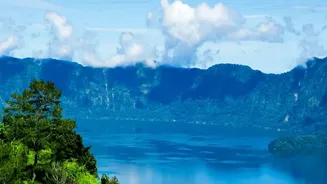
Located about 40 kilometres from Gangtok at an altitude of 12,313 feet, Tsomgo Lake (or Changu Lake) is a glacial wonder. Surrounded by steep, rugged mountains, its appearance changes dramatically with the seasons. In winter, it is a frozen spectacle, while in late spring, its shores are dotted with alpine flowers. The lake is considered sacred by locals and is a popular day trip from Gangtok, often combined with a visit to the Nathu La Pass on the Indo-China border for Indian nationals. A permit is required to visit, which is typically arranged by tour operators in Gangtok.
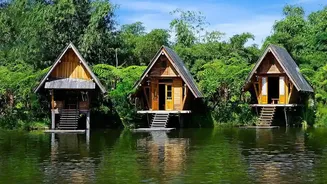
Vembanad Lake, Kerala
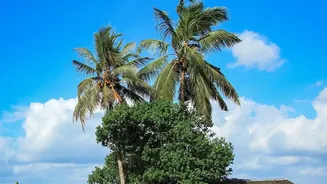
The longest lake in India, Vembanad is the soul of the Kerala backwaters. This vast expanse of tranquil water is a hub of houseboat tourism, offering a unique way to experience life in the region. A cruise on a traditional 'kettuvallam' (houseboat) takes you through a network of canals, past lush paddy fields, coconut groves, and local villages. The lake supports a rich ecosystem and is home to the Kumarakom Bird Sanctuary, a haven for birdwatchers. During the Onam festival, the lake comes alive with the energy of traditional snake boat races.
Loktak Lake, Manipur
Loktak Lake is the largest freshwater lake in Northeast India and is famous for its 'phumdis'—heterogeneous masses of vegetation, soil, and organic matter that float on its surface. Some of these phumdis are so large that they support homes and even a national park. The Keibul Lamjao National Park, the world's only floating national park, is located on a 40ndegree square kilometre phumdi. This unique park is the last natural habitat of the endangered Sangai, or 'dancing deer', which carefully navigates the spongy terrain. A visit here offers a glimpse into an extraordinary ecosystem and a unique way of life.
Gurudongmar Lake, Sikkim
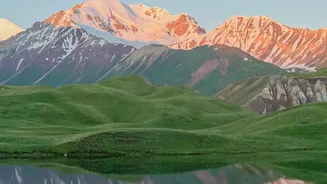
Situated at a breathtaking altitude of 17,800 feet near the Indondia border,
Revered by Buddhists,
Sikhs,
and Hindus,
this glacial lake is known for its stunning turquoise water set against a backdrop of snowcapped peaks.
A portion of the lake is believed to never freeze,
even in the harshest winters,
a phenomenon attributed to a blessing by Guru Padmasambhava.
The journey from Lachen is challenging and requires an early start and a permit,
but the reward is a spiritual and visually stunning experience in an otherworldly landscape.