






Plan Your Budget Before the Festival Begins
The most effective way to manage Onam spending is to create a budget before the ten-day festival kicks off. Onam spending is often a slow drip rather than a single large purchase: daily flowers for the pookalam, groceries for the sadhya, new clothes,
and gifts. This makes it easy to lose track. Start by deciding on a total amount you are comfortable spending from your savings or any festival bonus. Then, allocate this amount across major categories: food, Onakkodi (new clothes), flowers, gifts, and travel. It’s also wise to keep a 10-15% buffer for unexpected costs, like having extra guests over for the feast. By setting clear limits for each category beforehand, you prevent one area of enthusiastic shopping from compromising the others.
The Sadhya: Abundance Over Excess
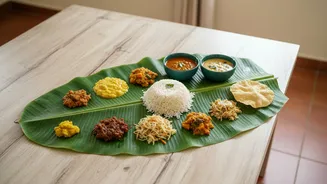
The Onam Sadhya is the heart of the celebration, but it doesn't need to have 26 dishes to feel complete. A memorable Onam is about gratitude and good food, not the number of items on the banana leaf. Focus on a core set of dishes that truly define the meal for your family. Essentials like rice, sambar, avial, a thoran, pappadam, and payasam can create a fulfilling and authentic experience. Plan your guest list and menu in advance to avoid last-minute impulse buys. Purchase vegetables and banana leaves the day before or the morning of the feast for freshness. Staples like jaggery, coconut, and rice for payasam can be bought in bulk earlier. If cooking feels overwhelming, consider a potluck-style gathering where different families bring one dish each, sharing both the cost and the effort.
The Pookkalam: Beauty in Simplicity
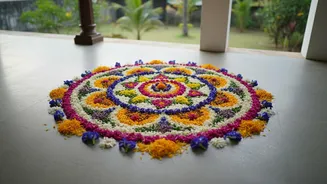
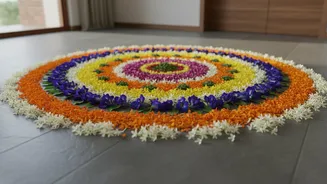
The daily pookkalam is a beautiful tradition, but the cost of flowers for ten days can add up. Instead of expensive, exotic flowers, embrace locally available and seasonal blooms like marigolds and chrysanthemums. You can create a stunning design by mixing flower petals with leaves for volume and contrast. Traditionally, the pookkalam starts small on Atham and grows a little each day, which is a natural way to manage flower use. Consider creating a smaller, more intricate design or a simple, elegant pattern like concentric circles. If you live in an apartment building or a close-knit community, creating a shared pookkalam at the entrance can be a wonderful way to split the cost and build a grander design together.
Onakkodi: Shop Smart, Not Last-Minute
Gifting and wearing Onakkodi, or new clothes, is a cherished custom. To avoid the high prices and crowds of the final festival days, start your shopping early. Many stores offer pre-Onam sales weeks before the festival begins. Go with a clear list of who you're buying for to avoid impulse purchases. The goal is quality over quantity; a single, beautiful kasavu saree or mundu that will be worn for years is a better investment than several trendy items that won't last. For college students or those on a tighter budget, breathable cotton kurtis in festive colours, paired with simple gold jewellery and a jasmine gajra, create a traditional and affordable look.
Gifts and Travel: Plan with Intention
Onam gifting is typically about warmth and affection rather than extravagance. Set a per-person cap for gifts to keep the overall cost in check. For larger presents, like a saree for a parent, consider pooling money with siblings to share the expense without reducing the gesture. When it comes to travel, booking tickets to Kerala well in advance is crucial, as fares for flights and trains increase dramatically closer to the festival. If hosting gatherings, a potluck approach can work for more than just the sadhya. Ask guests to bring snacks or desserts to share the load. This not only saves money but also fosters a wonderful sense of community celebration.