




It's the Pace, Not Just the Plate
In our fast-paced culture, meals are often just another task to complete quickly. [2] But eating fast is a health problem in its own right, regardless of whether you're eating a greasy takeaway or a nutritious salad. When you eat too quickly, you're not just rushing
the experience; you're actively working against your body's complex digestive and satiety systems. [1] Digestion begins in the mouth, where chewing mixes food with saliva to start breaking it down. [2] Rushing this crucial first step forces your stomach to work harder, which can lead to discomfort, and makes it more difficult for your body to absorb nutrients efficiently. [1, 19]
Your Brain on 'Fast Forward'
There's a significant delay—about 20 minutes—between when your stomach is physically full and when your brain gets the message. [9] This communication happens thanks to hormones like leptin (the 'stop' hormone) and ghrelin (the 'go' hormone). [4, 12] Leptin, produced by fat cells, signals to your brain that you have enough energy and can stop eating. [12] Ghrelin, produced in the stomach, does the opposite, stimulating appetite when your stomach is empty. [12] When you eat too fast, you consume a large amount of food before leptin has a chance to kick in and tell your brain you're full. This regularly leads to overeating and consuming more calories than your body needs. [1, 2]
The Hidden Health Costs of Speed Eating
The consequences of consistently eating too fast are more serious than a simple stomach ache. Studies have linked rapid eating to a higher risk of obesity, Type 2 diabetes, and metabolic syndrome—a cluster of conditions including high blood pressure, excess belly fat, and high cholesterol. [1, 3] Swallowing food quickly also means swallowing more air, which can cause bloating, gas, and discomfort. [1] Over time, it can also lead to more persistent issues like indigestion, heartburn, and acid reflux. [1, 22] Essentially, by eating too fast, you're not giving your body the time it needs to properly process food, which can disrupt hormonal balances and metabolic health. [3, 7]
Beyond the Drive-Thru: Everyday Fast Eating
The 'fast eating' problem isn't confined to fast-food restaurants. It happens at your work desk when you're trying to meet a deadline, in front of the TV when you're engrossed in a show, or even at the family dinner table when you're multitasking. [6, 10] This 'distracted eating' prevents you from paying attention to your body's hunger and fullness cues, making you likely to eat more. [17] Studies show that people who eat while distracted are not only more likely to overeat during that meal but also tend to snack more later because their brain hasn't properly registered that they have eaten. [14, 17]
How to Hit the Brakes and Enjoy Your Food
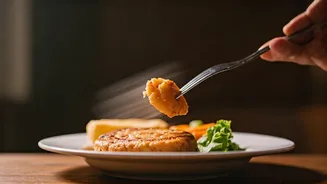
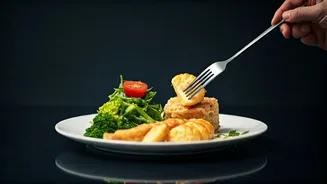
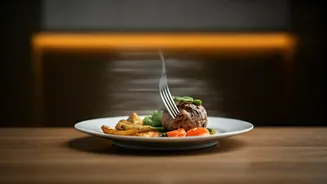
Slowing down is a skill, and it's one you can learn with practice. The core idea is to practice mindful eating, which means paying full attention to the experience of eating and your body's signals. [5, 18] Start by eliminating distractions: turn off the TV, put your phone away, and sit at a table. [9] Try putting your fork down between bites and chewing each mouthful thoroughly—aim for 25-30 chews. [9, 14] Sipping water between bites can also help you pace yourself. [19] Setting a timer for 20 minutes can be a useful trick to retrain your brain and body to a slower, healthier pace. [9] The goal isn't to be rigid, but to build a more aware and enjoyable relationship with food. [5, 18]