

The Allure of 'Kesar'
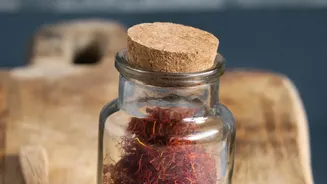
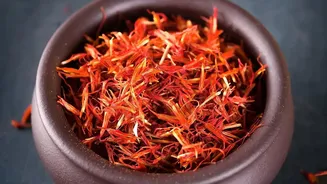
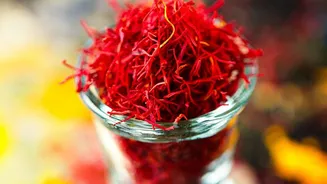
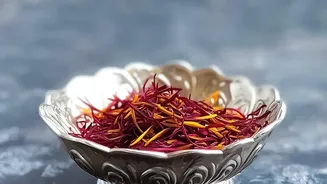
Saffron consists of the delicate, deep-red stigmas—or threads—hand-picked from the Crocus sativus flower. It takes an incredible number of flowers, around 150,000, to produce just one kilogram of dried saffron, which explains its high price. This labour-intensive
process is why it has been dubbed 'red gold'. In Indian cuisine, its value isn't just monetary. Saffron is a symbol of celebration, purity, and royalty, reserved for dishes that mark special occasions. Its flavour is subtle and complex, with floral and honey-like notes, while its primary contribution is a distinct, warm aroma that can perfume an entire dish.
The Golden Rule: How to Bloom Saffron
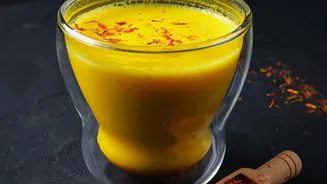
To get the most out of your precious saffron, never just sprinkle the dry threads directly onto your rice. Doing so is a common mistake that wastes its potential. The compounds responsible for saffron's colour and aroma are water-soluble and need to be released. This is achieved through a simple process called 'blooming'. To bloom saffron, gently crush a pinch of threads (about 15-25 for a dish serving four) and steep them in a few tablespoons of warm—not boiling—liquid for at least 15-20 minutes. Boiling water can diminish its delicate aroma. Warm milk is traditionally used for biryanis and desserts as the fat helps carry the flavour, while warm water is a great alternative for a cleaner taste. As the saffron steeps, the liquid will turn a vibrant golden-orange, ready to be drizzled over your rice.
Saffron in Biryani vs. Pulao
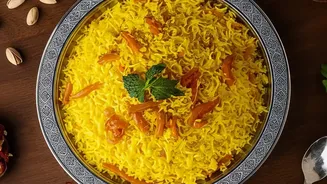
While both are beloved rice dishes, biryani and pulao use saffron quite differently, reflecting their distinct cooking methods. Pulao is typically a one-pot dish where rice, spices, and meat or vegetables simmer together. If saffron is used, its flavour and colour are infused uniformly throughout the rice. Biryani, on the other hand, is a more elaborate, layered dish. Par-cooked rice is layered with a rich masala base. The bloomed saffron liquid is drizzled over the top layer of rice just before the pot is sealed for 'dum' (slow steaming). This creates a beautiful mosaic effect, with some grains remaining white, some stained yellow by the saffron, and others soaking up the masala from below, ensuring every spoonful offers a different experience.
Beyond Biryani: Other Rice Preparations
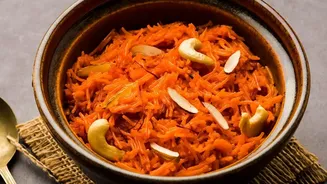
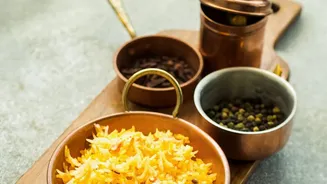
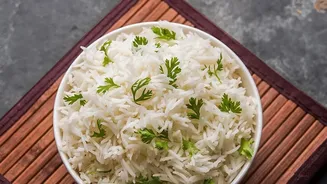
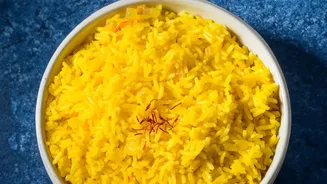
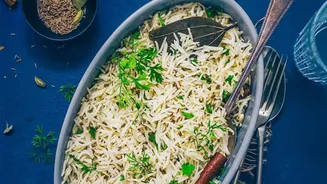
Saffron’s role extends beyond complex biryanis. A simple saffron rice can be a dish in itself, cooked with basmati rice, a touch of ghee, and whole spices like cardamom and cloves for a fragrant side dish. It pairs beautifully with rich curries. Another popular dish is Zarda, a sweet rice preparation often made during festivals. Here, saffron provides the signature golden colour and a luxurious aroma that complements the sweetness from sugar, nuts, and dried fruits. In all these dishes, the principle remains the same: blooming the saffron first is key to unlocking its full character and ensuring its even distribution.
How to Spot Real vs. Fake Saffron
Given its cost, the market is unfortunately filled with counterfeit saffron. Fake saffron is often made from dyed corn silk, safflower threads, or other vegetable fibres. Real saffron threads have a distinct trumpet shape, flaring at one end. A key home test is the cold-water test: drop a few threads into a glass of cold water. Real saffron will release its colour slowly, turning the water a golden yellow over 10-15 minutes, while the threads themselves remain red. Fakes, coated in artificial dye, will often bleed a reddish colour instantly. The aroma should be sweet like honey and hay, but the taste on the tongue should be slightly bitter, not sweet.
Buying and Storing Your Treasure
When buying saffron, look for long, deep-red threads. Grades like Kashmiri 'Mogra' or Iranian 'Super Negin' are considered top-tier, consisting of only the red stigma part, which has the most flavour and colour. To preserve its potency, store saffron in a small, airtight container made of glass or metal. Keep it in a cool, dark, and dry place like a kitchen cupboard, away from sunlight and heat sources like the stove. Avoid the refrigerator, as condensation can introduce moisture and degrade the quality. Stored correctly, whole saffron threads can retain their quality for up to two years, though the aroma will gradually soften over time.