








Why Humidity Changes the Game
When you exercise, your body generates heat, and you sweat to cool down. As sweat evaporates from your skin, it takes heat with it. It’s a highly effective, natural cooling system. But humidity throws a wrench in the works. High humidity means the air
is already saturated with water vapor, which significantly slows down the evaporation of your sweat. Instead of evaporating and cooling you, sweat drips off or just sits on your skin. As a result, your body can't cool itself efficiently, causing your core temperature to rise faster and putting more strain on your cardiovascular system. Your heart has to work harder to pump blood to the skin to try and dissipate the heat, a job it's doing on top of supplying blood to your working muscles. This is why the same workout can feel dramatically harder on a humid day compared to a dry one.
The Risks of Pushing Too Hard
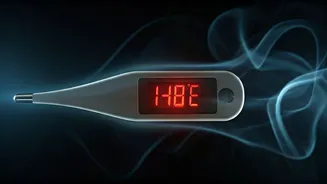
Ignoring the impact of humidity and sticking to a high-intensity routine can be dangerous. The inability to cool down effectively increases your risk of several heat-related illnesses. Dehydration is a primary concern, as you lose fluids faster in an attempt to cool down. This can lead to heat exhaustion, with symptoms like heavy sweating, dizziness, fatigue, nausea, and headache. If left untreated, heat exhaustion can escalate to heatstroke, a life-threatening condition where the body's temperature control system fails. Symptoms of heatstroke include confusion, a fast heart rate, loss of consciousness, and a body temperature above 103°F (39.4°C). It's a medical emergency that requires immediate attention. Insisting on high-intensity training in these conditions isn’t a sign of toughness; it’s an unnecessary gamble with your health.
Smarter, Not Harder: The Low-Intensity Solution
This is where low-intensity workouts shine. Opting for less strenuous activities isn't about being lazy; it's about being strategic. Low-intensity exercises are performed at a lower heart rate and involve less overall physical stress, making them much safer in humid conditions. They allow you to stay active and maintain your fitness routine without dangerously elevating your core body temperature or putting excessive strain on your heart. By reducing the intensity, you are still getting the benefits of movement—improving cardiovascular health, building strength, and boosting your mood—while respecting the environmental challenges your body is facing. This approach allows for consistency, which is far more beneficial for your long-term health than a few-pushed-too-hard sessions followed by forced recovery from heat-related issues.
Your Guide to Smart, Humid-Weather Workouts
Ready to adapt your routine? There are plenty of effective low-intensity exercises to choose from. Swimming is an excellent choice, as the water helps keep you cool while providing a full-body workout. Brisk walking, whether outdoors in the shade or on a treadmill, is another great option. Consider activities that focus on strength and flexibility without a major cardiovascular push, such as yoga or Pilates. Light resistance training with dumbbells or resistance bands, or a session on a stationary bike or rowing machine, can also be tailored to a lower intensity. These activities allow you to keep moving and feeling good, even when the weather is working against you.
Tips for Safe Summer Exercise
Beyond choosing the right workout, a few simple strategies can make exercising in humidity safer and more comfortable. Hydration is key; drink plenty of water before, during, and after your workout. Timing matters, so try to exercise during the cooler parts of the day, like early morning or late evening. What you wear can also make a difference. Opt for lightweight, loose-fitting, and light-colored clothing made of moisture-wicking fabric to help sweat evaporate as much as possible. Most importantly, listen to your body. If you start to feel dizzy, nauseous, or unusually fatigued, stop immediately, find a cool place, and rehydrate.