



An Art Born of the Desert
Lippan Kam, which translates to ‘clay work’, is a heritage craft deeply rooted in the Kutch region of Gujarat. For centuries, women of pastoral communities like the Rabari, Mutwa, and Harijan have decorated the inner and outer walls of their homes, known
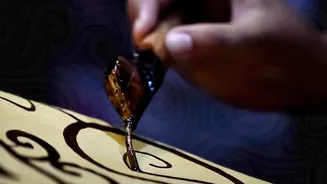
as bhungas. Using a readily available mixture of clay and animal dung, they would sculpt intricate patterns freehand. Into this wet clay, they would press small mirrors, or ‘aabhla’, creating designs that catch and reflect the light. This wasn't just for beauty; the thick mud-relief murals provided natural insulation, keeping homes cool in the fierce desert heat and warm during the cold winters, while the mirrors brightened the dark interiors. The motifs were drawn from their lives and surroundings—peacocks, camels, elephants, and trees—transforming humble walls into shimmering canvases.
Tradition Meets Modern Materials
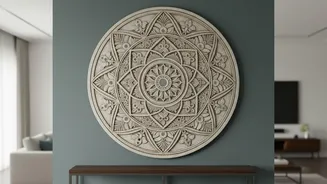
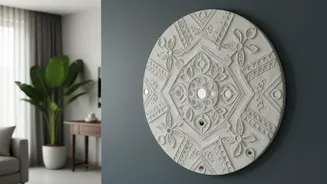
The journey of Lippan Kam from a fixed mural to a piece of portable art marks its most significant evolution. To make the craft accessible to city dwellers and a global audience, artisans have ingeniously adapted their methods. The traditional mud wall has been replaced by a durable, lightweight base, most commonly Medium-Density Fibreboard (MDF) or plywood. This crucial change allows the artwork to be framed, packaged, and hung on any apartment wall. The material of the dough itself has also been updated. While some purists stick to tradition, many artisans now use a more resilient mixture of chalk powder, sawdust, and adhesives, which is lighter, odour-free, and less prone to cracking than the original dung and clay mix. Washable and waterproof colours are sometimes added, offering a vibrant alternative to the traditional white.
New Designs for a New Audience
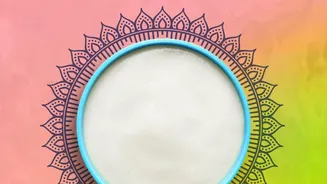
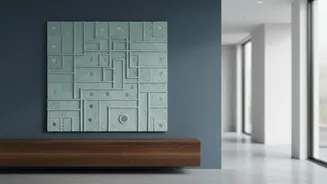
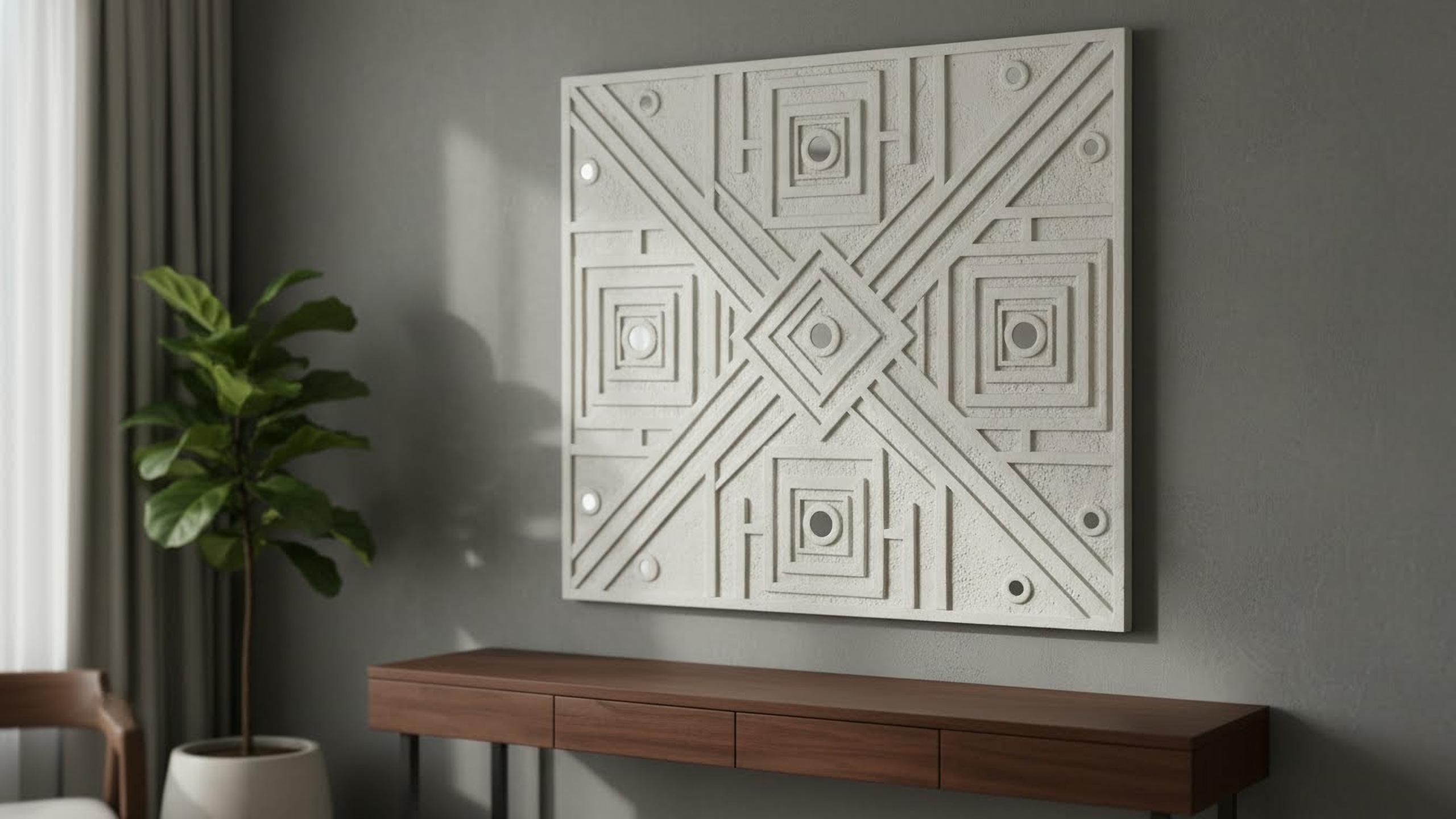
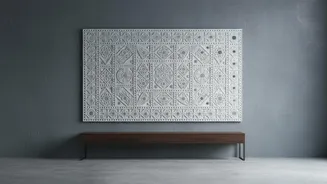
As Lippan Kam enters modern homes, its design language is also expanding. While classic motifs remain popular, artisans are creating new patterns to suit contemporary tastes. Geometric designs, clean lines, and minimalist mandalas are now common, blending seamlessly with modern, neutral-toned interiors. Some artists incorporate themes from other traditions or create hybrid works that feel both ethnic and contemporary. This shift is not just an aesthetic one; it’s a smart business move. By catering to urban design trends, Kutch artisans have opened up new markets for themselves. The art form, once created for personal and community use, is now a sought-after decorative item in luxury hotels, corporate offices, and international art galleries. This has been boosted by online marketplaces and tourism initiatives like the Rann Utsav, which showcase the craft to a wider audience.
Empowering Artisans, Preserving a Legacy
This modern revival is more than just a decor trend; it's a lifeline for the artisans of Kutch. The commercialization of Lippan Kam has created a sustainable source of income, empowering the women who are the traditional custodians of this skill. By selling their work, they gain financial independence and a platform to carry their ancestral knowledge forward. This transition, however, brings a complex dialogue. As the art form moves away from its original context—the bhunga walls where it was part of an architectural and social fabric—there is a risk of it becoming just another commodity. Yet, this very adaptation is what ensures its survival. Each panel sold carries a piece of Kutch’s cultural DNA into a new environment, creating a bridge between a rural past and an urban present.