







More Than Just Digital Tickets
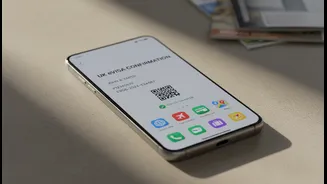
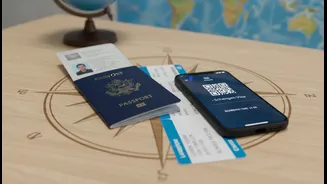
Being digitally ready for a trip has moved far beyond simply having your flight ticket saved to your phone. While digital bookings for flights and hotels are now standard, true readiness encompasses a much broader toolkit. It involves organising travel
information in one digital place, from booking confirmations to visa copies, often in a cloud-based folder for easy access. This modern approach to travel preparation means using technology not just for booking, but for navigating, communicating, and staying safe. The goal is to leverage digital tools to create a smoother, more flexible, and ultimately more enjoyable travel experience, freeing you from logistical worries so you can be more present in your new surroundings.
Your Pre-Departure Digital Checklist
Before you even zip up your suitcase, a digital packing list is crucial. Start by downloading offline maps of your destination. Apps like Google Maps allow you to navigate without a data connection, which is invaluable when you first arrive. Next, create a digital document hub. Scan your passport, visas, driver's license, and travel insurance, and store these copies securely in a cloud service like Google Drive. Download essential apps you'll need on the ground. This includes ride-hailing services popular in your destination, translation apps like Google Translate which can even translate text using your camera, and communication apps like WhatsApp for staying in touch. Finally, sort out your digital payments. Inform your bank about your travel plans and explore options like Wise for better currency conversion rates. For Indian travellers, check the growing availability of UPI payments in countries you are visiting.
Solving the Connectivity Puzzle
Staying connected abroad used to mean hunting for airport Wi-Fi or paying exorbitant international roaming fees. Today, the choice is primarily between roaming plans from your home carrier and travel eSIMs. While roaming is convenient, it can come with surprise charges and complicated fair-use policies. Travel eSIMs, or electronic SIM cards, have become the preferred option for many travellers. An eSIM is a digital SIM that you can install on your phone, allowing you to buy prepaid data plans for your destination, often at much lower rates than roaming. This gives you the flexibility to choose a plan based on your data needs and duration of stay, with transparent, upfront costs. For modern travellers who use data for maps, social media, and communication apps, an eSIM offers a smarter, more cost-effective way to stay connected from the moment you land.
Your On-the-Go Cybersecurity
With increased connectivity comes the need for increased vigilance. Travelling makes you more reliant on public Wi-Fi in cafes, hotels, and airports, which can be insecure. A Virtual Private Network (VPN) is a crucial tool, creating an encrypted connection to protect your data from prying eyes. Basic digital hygiene is also vital. Before you leave, make sure all your devices have the latest software updates and are protected with strong PINs or biometric locks. It's also wise to disable auto-connect features for Wi-Fi and Bluetooth to prevent your device from joining untrusted networks without your permission. Be mindful of what you post on social media in real-time, as it can signal that your home is unoccupied. And should the worst happen, enable the 'Find My Phone' feature to remotely locate or wipe your device if it's lost or stolen.
Leveraging AI in Your Travels
The latest evolution in digital travel planning is the rise of Artificial Intelligence. AI tools like Gemini and ChatGPT can act as powerful assistants to kickstart your itinerary planning. Instead of sifting through dozens of blogs, you can ask an AI to generate a personalised itinerary based on your interests, budget, and travel style. These tools can suggest hidden gems, create neighbourhood-based walking tours, and help you find flights and hotels that match your specific criteria. While AI can be an excellent starting point for generating ideas and creating a basic structure for your trip, it's still important to verify the information. Some AI suggestions might be outdated or lead to over-touristed spots. Think of AI as a creative brainstorming partner, one that can save you hours of initial research, leaving you with more time to refine and perfect your ideal holiday.