
A Smart, Sustainable Snack
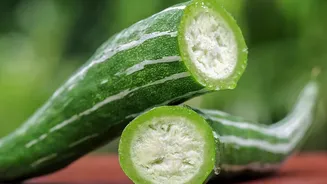
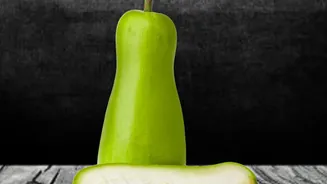
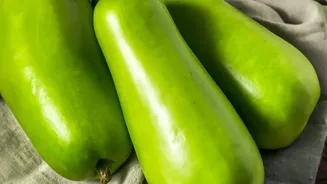
Before you toss them, consider the hidden potential of lauki (bottle gourd) peels. Often discarded as kitchen waste, these peels are surprisingly nutritious. Studies and nutritionists note that the peel is a good source of dietary fibre, which aids digestion
and promotes gut health. Some research indicates that bottle gourd peel has a higher concentration of certain minerals and antioxidants compared to the flesh. By using the peels, you’re not just making a tasty snack; you’re practicing sustainable, root-to-stem cooking that reduces food waste and packs a nutritional punch. It’s a simple, effective way to get more value from your vegetables.
The Challenge: Conquering Excess Water
The main obstacle between you and a perfectly crisp bottle gourd peel kebab is water. Bottle gourds have very high water content, and their peels are no exception. When this moisture is not properly removed, it turns to steam during cooking, resulting in kebabs that are soggy, fall apart in the pan, and refuse to develop that desirable golden-brown crust. The mixture becomes difficult to bind, leading to a frustrating cooking experience and a mushy final product. Mastering the art of moisture removal is therefore the most critical step in this recipe, ensuring your kebabs have the right texture and hold their shape beautifully.
Techniques for Removing Moisture
There are several effective methods to draw out the excess water from your grated bottle gourd peels. The simplest method is to take small portions of the grated peel in your palms and squeeze firmly until no more liquid comes out. For a more thorough approach, place the grated peels in a bowl, sprinkle generously with salt, and let them sit for 15-20 minutes. The salt will draw out the moisture. Afterwards, you can squeeze out the released water. An even more effective method involves using a muslin cloth or a clean kitchen towel. Place the grated peels in the center, gather the corners, and twist tightly to wring out every last drop of water. This technique is widely recommended for watery vegetables when making koftas or kebabs.
Choosing the Right Binding Agent
Once your peels are dry, you need a good binding agent to hold the kebab mixture together. The right binder not only provides structure but can also add flavour and improve texture. Roasted gram flour (besan) is a classic choice in Indian cooking; roasting it lightly in a dry pan before use removes its raw taste and enhances its nutty flavour. Breadcrumbs or powdered flattened rice (poha) are excellent for absorbing any residual moisture and creating a firm patty. Cornflour or potato starch can also be used to create a crisp exterior. Start with a few tablespoons and add more only if the mixture feels too wet or sticky. The goal is a dough that is easy to shape and doesn't cling to your hands.
A Simple Kebab Recipe
Now, let's put it all together. You'll need about two cups of tightly squeezed bottle gourd peels. To this, add one finely chopped onion, a tablespoon of ginger-garlic paste, finely chopped green chillies to taste, and a handful of fresh coriander. For spices, mix in half a teaspoon of turmeric powder, a teaspoon of red chilli powder, a teaspoon of garam masala, and salt to taste. Remember to add the salt at the end to prevent the mixture from releasing more water. Next, add your binding agent—start with a quarter cup of roasted besan or breadcrumbs. Mix everything well until it forms a firm, shapeable dough. If the mixture is too sticky, add a bit more of your binder. Let the mixture rest for about 10 minutes for the flavours to meld.
Cooking to Crispy Perfection
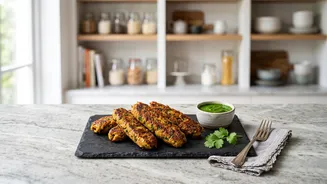
Take small portions of the mixture and shape them into round, flat patties or oval kebabs. For an extra crispy coating, you can make a thin slurry of cornflour and water. Dip each kebab in the slurry and then roll it in dry breadcrumbs before frying. Heat a few tablespoons of oil in a non-stick pan over medium heat. Carefully place the kebabs in the pan, ensuring not to overcrowd it. Fry them on a medium-low flame, allowing each side to cook for 4-5 minutes until it is a deep golden brown and crisp. Frying on lower heat ensures the kebabs cook through to the center without burning on the outside. Once cooked, remove them onto a plate lined with absorbent paper. Serve them hot with mint chutney or your favourite dip.