





The Monsoon Shopping Mindset
The fundamental rule for monsoon grocery shopping is to think smaller and more frequently. High humidity creates the perfect breeding ground for mould and bacteria, causing food to spoil much faster than in drier months. Bulk-buying, which might be economical
at other times of the year, can lead to significant food waste. Instead of a large monthly haul, plan for weekly or even twice-weekly trips to the market. This ensures that what you bring home is consumed quickly, especially perishables. The goal is to maintain a lean pantry and refrigerator, reducing the chances of items becoming damp, mouldy, or infested with pests. This strategy applies to everything from fresh produce to flours and spices, which can easily clump and lose their potency in the damp air.
Prioritise Whole Over Pre-Cut
During the monsoon, it's wise to avoid pre-cut fruits and vegetables, especially those sold by street vendors. The longer a fruit or vegetable is exposed to the air after being cut, the higher the risk of contamination. Buying whole produce gives you more control. A whole vegetable has its natural protective skin intact, which acts as a barrier against germs. Wash and cut your vegetables and fruits at home right before you plan to cook or eat them. This minimises their exposure to the humid environment and potential pathogens. For leafy greens, which are particularly susceptible to dirt and germs during this season, this step is crucial. Wash them thoroughly and cook them well rather than consuming them raw in salads.
Navigating the Vegetable Aisle
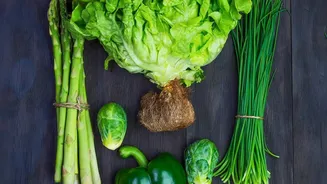
Your choice of vegetables should adapt to the season. Leafy greens like spinach and cabbage can be risky as they grow close to the ground and can harbour dirt and microbes from contaminated soil and water. If you do buy them, ensure they are washed meticulously and cooked thoroughly. Gourds such as bottle gourd (lauki), bitter gourd (karela), and ridge gourd (tori) are excellent monsoon choices as they grow on vines, away from the waterlogged ground. Vegetables like brinjal can be prone to internal worms during this season, so inspect them carefully. Always opt for fresh, crisp-looking produce and avoid anything that appears wilted, bruised, or has black spots.
Smart Storage is Non-Negotiable
Proper storage becomes your kitchen's first line of defence. Grains, pulses, flours, and spices must be transferred to clean, dry, airtight containers immediately after purchase. Glass or steel containers are often better than plastic for preventing moisture ingress. For spices, which tend to clump together, slightly roasting them before storage can help retain their flavour and prevent spoilage. Vegetables should be dried completely after washing before being stored in the refrigerator; lining the vegetable crisper with paper towels can help absorb excess moisture. Never store food directly on the floor, as this can introduce moisture from the ground. Adding natural repellents like dried neem or bay leaves to containers of rice and dal can help keep pests at bay.
Handle Proteins and Dairy with Extra Care
Meat, fish, and dairy products are highly perishable and spoil even faster in the heat and humidity of the monsoon. It's best to avoid seafood, as the monsoon is the breeding season for many fish, making fresh catches less likely and increasing the risk of contamination. If you do consume meat, opt for chicken or mutton from a trusted, hygienic source and cook it thoroughly. When it comes to dairy, it is advisable to buy milk and products like paneer in smaller quantities that you can use within a day or two. Always refrigerate dairy products immediately upon reaching home and ensure your fridge temperature is set correctly to inhibit bacterial growth.