







Plan Ahead and Stay Informed
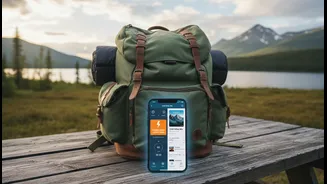
Before you even pack your bags, thorough research is non-negotiable. The monsoon is notoriously unpredictable in the mountains. Start by checking the latest weather forecasts from reliable sources like the India Meteorological Department (IMD). Recent
advisories for July 2026, for example, have warned of heavy rainfall and potential landslides in states like Himachal Pradesh and Uttarakhand. Pay close attention to district-level alerts, especially for areas like Shimla, Kullu, and Kangra which can be prone to flash floods. It is also wise to build buffer days into your itinerary. Roadblocks due to landslides are common, and having an extra day or two means you won't be stressed about missing a flight or connection. Avoid travelling on mountain roads at night when visibility is poor and the risk of unexpected hazards is higher.
Pack Smart for Wet Conditions
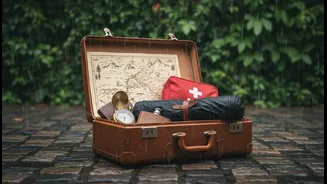
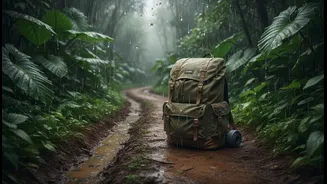
When it comes to monsoon mountain travel, your packing list can make or break your trip. Prioritise function over fashion. Leave heavy fabrics like denim at home and opt for lightweight, synthetic, quick-drying clothes. A sturdy, high-quality raincoat or poncho is an absolute must-have. Invest in waterproof footwear with a good grip to navigate slippery and muddy trails. Anti-skid trekking shoes are ideal for hilly terrain, while waterproof sandals are useful for lighter walks. To protect your valuables, use a waterproof backpack cover and keep electronics, documents, and money in separate zip-lock or dry bags. Don't forget essentials like a powerful torch or headlamp, a power bank for potential outages, and a basic first-aid kit with medication for common ailments like cold, fever, and stomach issues.
On the Road: Prioritise Safety
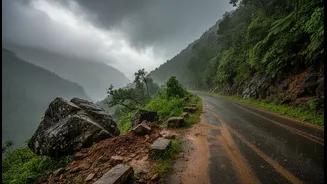
Navigating mountain roads during the monsoon requires extreme caution. Whether you are driving yourself or hiring a vehicle, stick to main roads and avoid taking unknown shortcuts, which can be treacherous. Be aware of landslide-prone zones; local authorities often post warnings. Heavy rains can cause river levels to rise dramatically, leading to flash floods with little warning. Never attempt to cross flooded roads or bridges, and avoid camping or taking photos near riverbanks, as water levels can surge unexpectedly. Always trust local advice. Residents and experienced local drivers have an intimate understanding of the terrain and weather patterns and can tell you which routes are safe. If a road looks dangerous or if locals advise against proceeding, it is always better to wait or turn back.
Tread Lightly: Your Environmental Duty
Responsible travel is not just about personal safety; it's about protecting the fragile Himalayan ecosystem, which is especially vulnerable during the monsoon. The principle of 'Leave No Trace' is paramount. Carry all your non-biodegradable waste, like plastic wrappers and bottles, back with you to be disposed of in a proper facility. Avoid single-use plastics by carrying a reusable water bottle and tote bag. Stick to designated trails when hiking to prevent soil erosion, which can be exacerbated by heavy rainfall. Furthermore, be mindful of your resource consumption. Conserve water and electricity at your hotel or homestay. Supporting the local community is another pillar of responsible tourism. Choose to stay at locally-run homestays, hire local guides, and purchase local handicrafts and produce. This ensures that your tourism money directly benefits the people whose home you are visiting.
Health and Hygiene on Your Trip
The damp and humid conditions of the monsoon can bring about specific health concerns. Water-borne diseases are more common, so it is crucial to drink only bottled, boiled, or purified water. Be cautious with street food; stick to freshly cooked hot meals from clean, reputable establishments to avoid stomach issues. The rainy season also sees an increase in insects like mosquitoes and leeches. Carry a good quality insect repellent and apply it generously. For treks in forested areas, wearing leech socks can be very helpful. Antifungal powder is also a wise addition to your kit to prevent skin infections caused by perpetually damp feet. Having a well-stocked first-aid kit with antiseptic, bandages, pain relievers, and any personal medications is essential for handling minor health issues promptly.