







The Western Dream Hits a Policy Wall
The traditional route of studying abroad to launch a global career is facing significant hurdles. In 2026, several key destinations for Indian students have implemented stricter immigration policies. In Canada, a national cap has been introduced to reduce
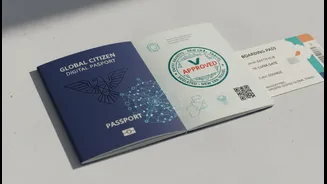
the number of new study permits. The UK has shortened its popular post-study Graduate Route visa from two years to 18 months for most degrees, effective from 2027, and increased the financial proof required from applicants. Similarly, Australia has replaced its 'Genuine Temporary Entrant' requirement with a more rigorous 'Genuine Student' test and increased visa fees, leading to higher rejection rates for some applicants. These changes are driven by domestic concerns in Western nations, including housing shortages and pressure on public services, leading governments to control the surge in international student numbers seen after the pandemic. For many aspiring students, this means the dream of studying and working in the West has become more expensive, more competitive, and less certain.
Southeast Asia Rolls Out the Digital Welcome Mat
Just as the West is becoming more restrictive, Southeast Asia is actively courting global talent. Countries across the region have launched a suite of 'digital nomad' visas designed to attract remote workers. Thailand's Destination Thailand Visa (DTV), launched in 2024, offers a five-year validity and requires a relatively modest bank balance of around $15,000 USD, with no formal income requirement. Malaysia’s DE Rantau Nomad Pass is particularly attractive to tech professionals, requiring an annual income of just $24,000 USD. Indonesia offers a remote worker visa that can be renewed for up to six years, targeting long-term stays. This strategic pivot is a deliberate effort by these governments to move beyond tourism and build economies based on skilled, globally-mobile professionals who bring foreign income without taking local jobs.
A New Path for Global Ambition
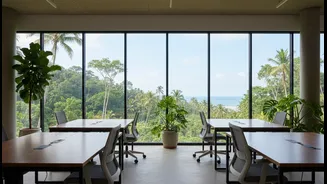
This confluence of trends creates a new, alternative pathway for skilled young Indians. Instead of investing heavily in a Western master's degree with an uncertain post-study work outcome, many are now considering a different model: securing a remote job with a global company and relocating to a low-cost, high-quality-of-life hub in Southeast Asia. This route bypasses the high tuition fees, stringent visa applications, and fierce competition for graduate jobs in markets like the UK and Canada. For a software developer, a digital marketer, or a freelance consultant, the option to work for a US or European company while living in Bali or Kuala Lumpur is becoming a pragmatic and appealing choice. The region's combination of reliable internet, modern infrastructure, and vibrant expatriate communities makes the transition smooth.
The Remote Work Calculus: Cost vs. Opportunity
The financial logic is compelling. The cost of a master's degree in Australia or Canada, including tuition and living expenses, can easily exceed ₹40-50 lakhs. In contrast, the income requirement for a Malaysian digital nomad visa is around ₹20 lakhs per year, and the cost of living is a fraction of that in a major Western city. This isn't just about saving money; it's about reallocating investment. Instead of spending on tuition for a credential, professionals are earning an international salary while gaining global experience. This path offers more immediate financial independence and flexibility. While a Western degree has long been a powerful signal to employers, a portfolio of international work experience gained while managing a remote career is becoming an equally valuable asset in today's globalised job market.
More Than a Plan B
To view Southeast Asia as merely a backup option would be to miss the bigger picture. For a growing number of professionals, the digital nomad lifestyle is becoming Plan A. It prioritises work-life balance, cultural immersion, and personal autonomy over the traditional, linear career ladder. The skills developed—cross-cultural communication, self-discipline, and navigating international logistics—are highly sought after. As companies become more comfortable with remote work, having employees in different time zones can be a strategic advantage. While Western countries grapple with the political and social challenges of immigration, Southeast Asian nations are seizing the opportunity to attract the very talent that is finding other doors closed, positioning themselves not just as holiday destinations, but as the future hubs of a borderless workforce.