







Rethinking the Metabolism Engine
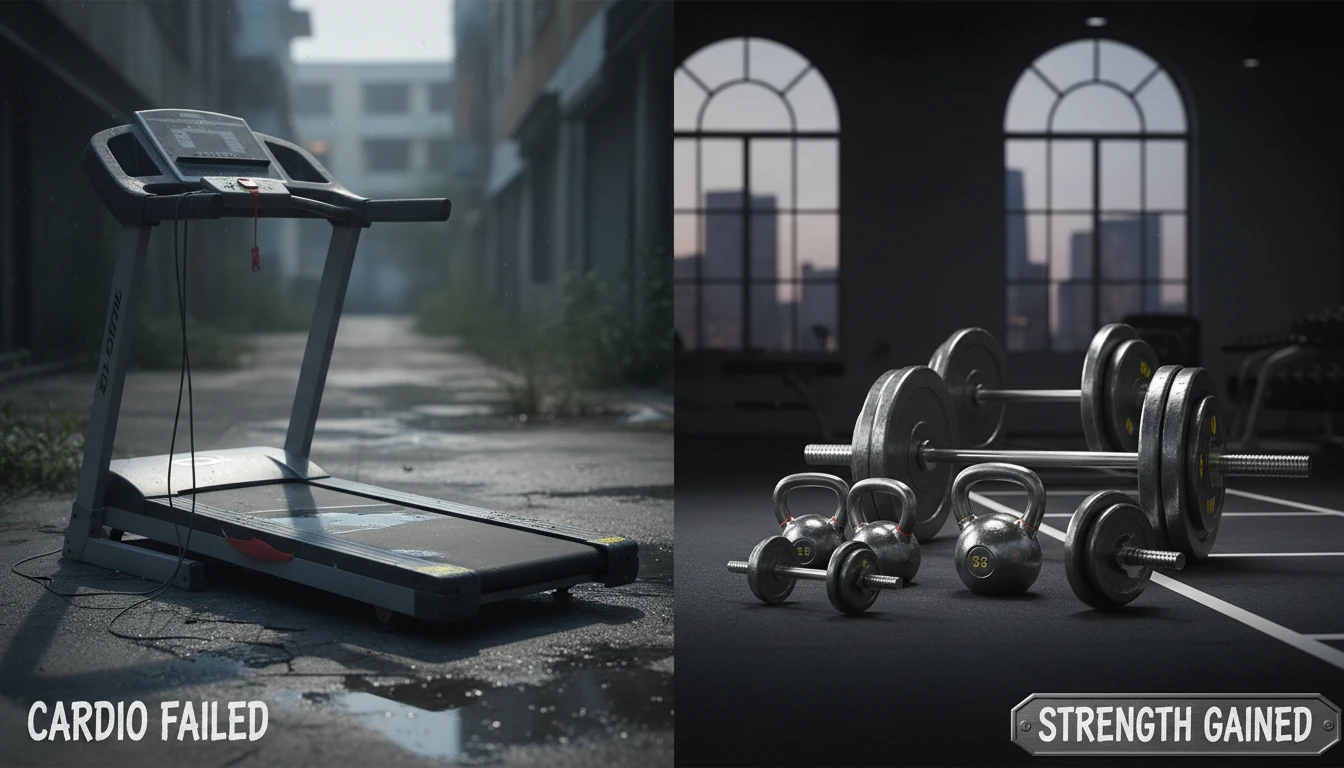
When we think about burning calories, our minds often jump to the numbers flashing on a treadmill screen. While cardio certainly burns calories during the workout, its effect largely stops when you do. Resistance training, on the other hand, plays the long
game. It fundamentally changes your body's composition by building lean muscle, which acts like a metabolic engine that burns calories even when you're resting. This shifts the focus from simply burning calories during an activity to elevating your body's overall energy expenditure, 24/7.
The Power of a Higher Resting Metabolism
Your Basal Metabolic Rate (BMR) is the number of calories your body needs to perform its most basic, life-sustaining functions, like breathing and cell production. It accounts for the majority of your daily calorie burn. The single biggest factor you can influence to raise your BMR is increasing your muscle mass. A pound of muscle is more metabolically active than a pound of fat, burning more calories at rest. So, as you build strength through resistance training, you're not just getting stronger; you're upgrading your body's internal furnace to burn more fuel around the clock.
Meet the 'Afterburn' Effect
Beyond boosting your BMR, intense resistance training triggers a phenomenon known as Excess Post-exercise Oxygen Consumption (EPOC), or the "afterburn effect." After a challenging strength workout, your body has to work hard to repair muscle tissue, replenish energy stores, and return to its resting state. This recovery process requires oxygen and burns extra calories for hours—sometimes up to 36 or 48 hours—after you've left the gym. Research suggests that high-intensity resistance training produces a more significant and longer-lasting EPOC than steady-state aerobic exercise, giving you more metabolic bang for your buck.
Debunking the 'Getting Bulky' Myth
A common hesitation for many women venturing into weightlifting is the fear of becoming 'bulky'. This concern is largely unfounded due to biological differences. Women have significantly lower levels of testosterone, the primary hormone responsible for large muscle growth, compared to men—about 10 to 20 times less. Gaining the kind of muscle mass associated with professional bodybuilders requires a highly specific, intense training regimen and a meticulously planned diet over many years. For most women, resistance training leads to a leaner, more defined, and toned physique, not bulk.
Starting Your Resistance Journey
Getting started doesn't mean you have to immediately start lifting heavy barbells. You can begin with bodyweight exercises like squats, push-ups, and lunges. The key is a principle called progressive overload, which means gradually increasing the demand on your muscles over time. This could involve adding more repetitions, more sets, or eventually, more weight. A good program often focuses on compound exercises—movements that work multiple muscle groups at once, like squats, deadlifts, and overhead presses—as they are highly efficient for building strength and maximizing calorie burn. Aiming for two to three resistance sessions per week is a great starting point.