




From Fasting Food to Everyday Favourite
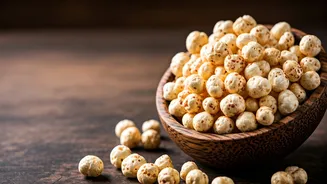
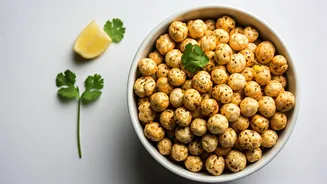
For generations, makhana, also known as fox nuts or gorgon nuts, was a pantry staple with a specific job. It was the go-to snack during religious fasts like Navratri, valued for being a non-cereal food that provided sustained energy. Lightly roasted in ghee
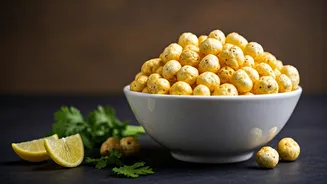
with a sprinkle of rock salt, it was comforting and familiar. But today, makhana has broken free from its traditional confines. You’ll find it in cinema halls, office canteens, and gourmet food stores, packed in slick, modern packaging. It has become the poster child for guilt-free snacking, replacing potato chips and fried namkeens as the default choice for the health-conscious Indian consumer. This transition from a functional food to a trendy lifestyle snack marks a significant cultural shift in our eating habits.
The Nutritional Powerhouse
So, what’s fuelling this surge in popularity? The answer lies in its impressive nutritional profile. Makhana is a low-calorie food, making it an ideal choice for weight management. It's packed with protein and fibre, which keep you feeling full for longer and aid digestion. Unlike many other snacks, it has a low glycaemic index, meaning it releases sugar into the bloodstream slowly, preventing energy spikes and crashes. It is also naturally gluten-free, catering to a growing demographic with specific dietary needs. Furthermore, these puffy seeds are a good source of essential minerals like magnesium, potassium, and phosphorus, which are vital for heart health and bone strength. In a world increasingly looking for snacks that are both tasty and beneficial, makhana ticks all the right boxes.
A Gift from Bihar's Wetlands
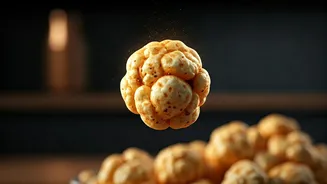
The story of makhana is deeply rooted in the wetlands of the Mithila region of Bihar, which accounts for over 85% of the world's fox nut production. The process is incredibly labour-intensive and has been carried out by local communities for centuries. Farmers wade through stagnant ponds to harvest the prickly seeds of the Euryale ferox plant. These seeds are then dried, graded by size, and roasted in hot sand-filled pans at a precise temperature. This intense heat causes the kernel inside to pop, much like popcorn, resulting in the light, airy makhana we know. This unique cultivation and popping process, native to the region, has earned 'Mithila Makhana' a Geographical Indication (GI) tag, protecting its authenticity and heritage. Its journey from a local crop to a global superfood is a testament to the richness of India's agricultural legacy.
The Modern Makhana Makeover
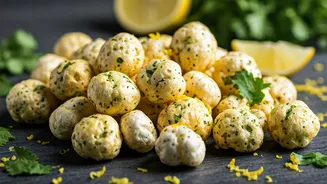
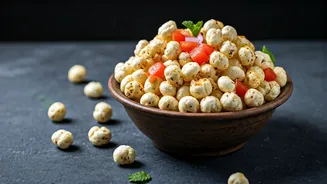
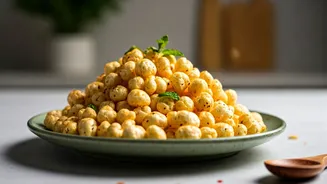
The final piece of the puzzle is clever branding and flavour innovation. A new wave of start-ups and established food companies have recognised makhana's potential and given it a contemporary makeover. Gone are the days of just salt and ghee. Today, you can find makhana in an explosion of flavours catering to the modern Indian palate: tangy pudina, spicy peri-peri, classic cheese, zesty lime and chilli, and even sweet variations like caramel or jaggery. This flavour revolution, combined with attractive, convenient packaging, has made makhana an exciting and accessible snack for all ages. Brands are positioning it as a healthy alternative to popcorn, a perfect tiffin snack for kids, and a sophisticated nibble to serve with drinks, expanding its appeal far beyond its traditional audience.
How to Join the Makhana Movement
Getting on board with the makhana trend is easy and versatile. While the pre-packaged flavoured options are great for convenience, making your own at home allows for endless customisation. Start with plain, raw makhana. Dry roast them in a pan on low heat for 8-10 minutes until they are crisp and crunchy—they should break easily when pressed. For a classic flavour, toss them in a teaspoon of warm ghee and a sprinkle of salt. For a spicy kick, add red chilli powder, chaat masala, and a squeeze of lime juice. You can also crush roasted makhana to coat cutlets or use it as a crunchy, gluten-free topping for soups and salads. Some even use makhana to make a healthier version of kheer. The possibilities are limited only by your imagination.