

The Perfect Pot and Soil
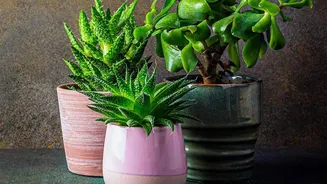
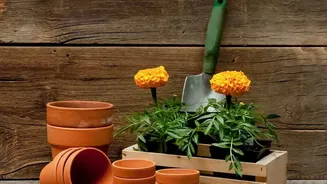
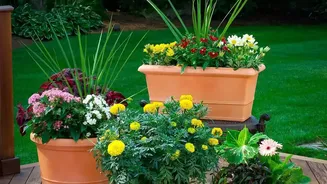
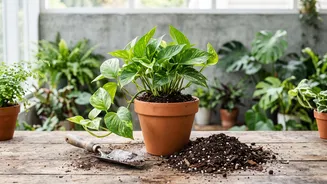
Success starts with the right foundation. For Thai chillies, which are relatively compact pepper plants, a pot that is at least 3 to 5 gallons (around 11 to 19 litres) is ideal. This size provides enough room for a healthy root system without holding
excessive water. Ensure the container has plenty of drainage holes, as chillies dislike 'wet feet', which can lead to root rot. When it comes to soil, don't use heavy garden soil, which compacts easily. Instead, choose a high-quality, well-draining potting mix. Look for blends rich in organic matter containing ingredients like compost, perlite, and coco coir to ensure good aeration and moisture retention. The ideal soil pH should be slightly acidic, between 6.0 and 7.0.
Sunlight and Warmth
Thai chillies are sun-worshippers, a trait from their tropical origins. To thrive and produce an abundance of fruit, they need at least six to eight hours of direct sunlight every day. A south-facing balcony or a sunny spot on the patio is perfect. If you're growing them indoors, a windowsill that receives ample sun is crucial, and you may need to supplement with a grow light to meet their needs. These plants also love warmth and perform best when temperatures are consistently warm. They can be sensitive to cold, so wait until any danger of frost has passed and night-time temperatures are reliably above 15°C before moving plants outside.
Watering and Feeding
Watering container plants requires a careful balance. The goal is to keep the soil consistently moist but never waterlogged. A good rule of thumb is to water when the top inch of soil feels dry to the touch. Water deeply until you see it running from the drainage holes, then allow the pot to drain fully. Chillies are hungry plants and benefit from regular feeding. Start with a balanced, all-purpose fertilizer during the initial growth stage. Once the plant begins to flower, switch to a fertilizer that is higher in potassium (K) and phosphorus (P), such as a tomato feed. This change encourages the plant to put its energy into producing fruit rather than just leafy growth. Always follow the package directions, as over-fertilizing can harm the plant.
Why and How to Support Your Plants
This is a step many container gardeners overlook, but it's key to a healthy harvest. Thai chilli plants can become surprisingly prolific, producing dozens of fruits. As the chillies ripen, their collective weight can put significant strain on the plant's branches, which can bend or even snap. Providing support early on prevents this damage. The best time to add a support structure is when you first plant your chilli in its final pot, as doing so later risks damaging the established root system. For a single plant in a container, a simple thin bamboo cane or a small stake inserted into the soil near the main stem works well. As the plant grows taller, you can loosely tie the main stem to the stake with garden twine. For bushier plants, a small, circular tomato cage can provide excellent all-around support.
Pruning for a Bushier Plant
While not strictly necessary, some simple pruning can lead to a sturdier, bushier plant and a larger yield. One common technique is 'topping', which involves pinching off the main growing tip of the plant when it's young and has several sets of leaves. This encourages the plant to grow more side shoots, creating a fuller shape. Another useful practice is to prune some of the lower leaves and branches once the plant is established. This improves air circulation around the base of the plant, which can help prevent fungal diseases, and directs the plant's energy towards the upper, fruit-producing branches.
Harvesting Your Chillies
The long growing season, which can be around 100 days, culminates in the exciting harvest. Thai chillies can be picked when they are green, but they will develop more heat and a fuller flavour as they ripen to a vibrant red. Harvesting regularly encourages the plant to keep producing more flowers and fruits. Use a pair of scissors or small pruners to snip the chillies off the plant, leaving a small piece of the stem attached. This is cleaner than pulling them by hand, which can damage the branches. Your fresh chillies can be used immediately, or they can be easily dried or frozen, ensuring you have a supply of homegrown heat all year round.