



The Changing Snack Plate
For generations, Indian snacking has been synonymous with crispy, fried, and savoury delights. But the contents of the nation's snack dabba are diversifying. More and more, consumers are reaching for handfuls of almonds, roasted makhana, and packets of seeds
instead of traditional fried namkeen for their 4 p.m. hunger pangs. This isn't a niche urban trend anymore; it reflects a broader, more intentional approach to eating. Market data supports this shift, with the Indian healthy snack market projected to grow significantly. The packaged nuts and seeds segment alone is expected to expand at a compound annual growth rate (CAGR) of over 10% between 2026 and 2033. This signals a fundamental change where snacks are no longer just for indulgence but are also expected to provide functional benefits.
Why Health is the New Core Ingredient
Several factors are fuelling this move towards healthier snacking. A primary driver is a heightened sense of health consciousness, as more Indians become aware of lifestyle diseases and the importance of preventive nutrition. Consumers are increasingly reading ingredient labels, seeking out clean-label products, and prioritising transparency from brands. According to a 2026 survey, a staggering 86% of respondents consider protein an important factor when choosing a snack. This focus on nutrition means that attributes like 'high-protein,' 'baked, not fried,' and 'no added sugar' are becoming powerful purchase drivers.
Nuts and Seeds Take Centre Stage
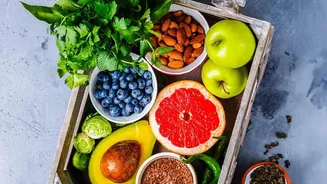
Once reserved for festive preparations or as a garnish, nuts and seeds are now everyday staples. Almonds, walnuts, pumpkin seeds, and flax seeds are being consumed for their nutritional profiles, rich in healthy fats, fibre, and protein. Roasted and flavoured nuts and seeds are the most preferred healthy snack category for many consumers. This trend is so significant that the market for organic edible nuts and seeds in India is forecast to see a CAGR of 15.4% from 2024 to 2030. They are replacing high-carbohydrate, low-nutrition options like packaged biscuits and cookies as a go-to snack to accompany a cup of chai.
The Protein Power-Up
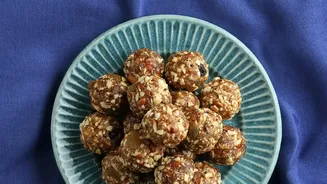
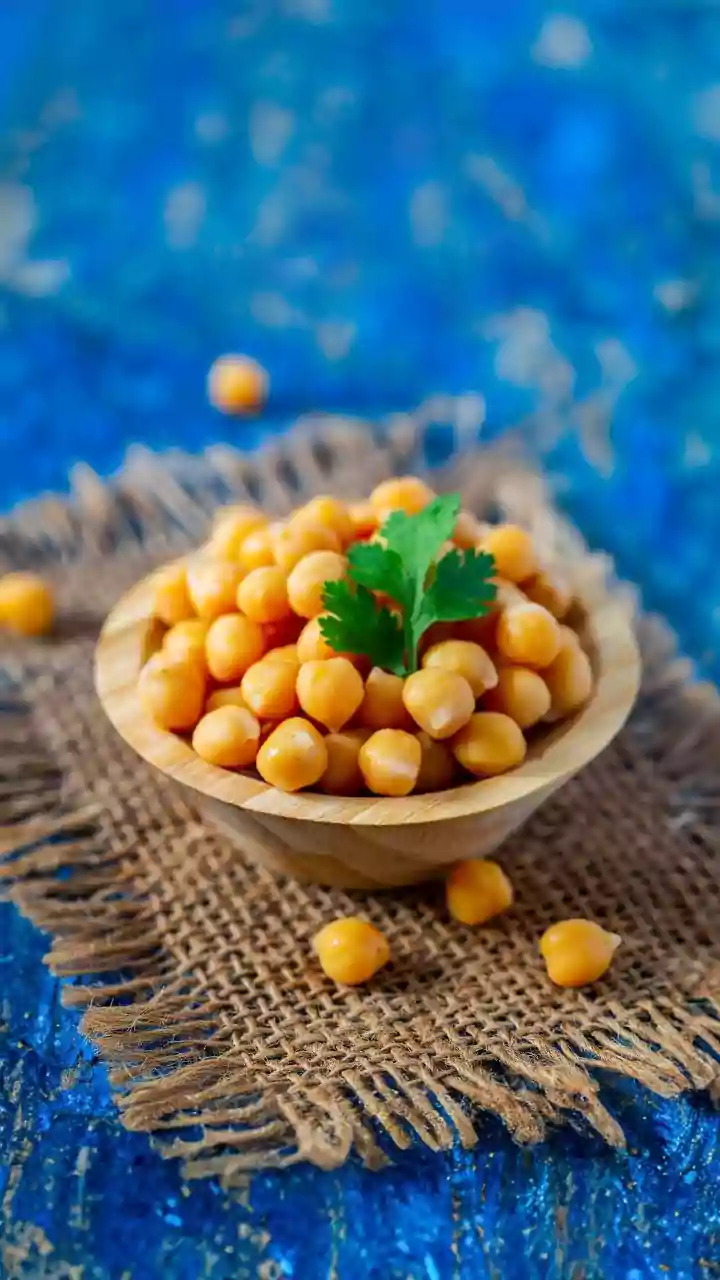
The demand for protein has officially gone mainstream, moving beyond the confines of gym-goers and fitness enthusiasts. This is evident in the booming market for protein bars, roasted chickpeas (chana), and other protein-dense foods. Many consumers report a willingness to pay a premium for products that are fortified with protein. The sports nutritional bars segment is projected to account for a major share of the protein bar market in 2026, driven by an active lifestyle trend. But the interest extends to more traditional forms as well, with items like paneer cubes, sprouts, and high-protein yogurts also gaining popularity as filling, nutritious snacks.
A Modern Twist on Tradition
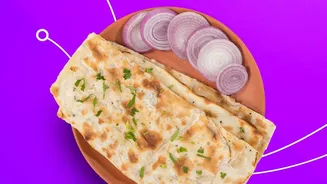
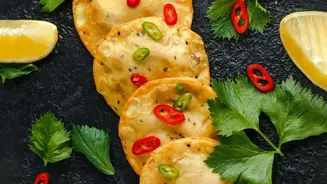
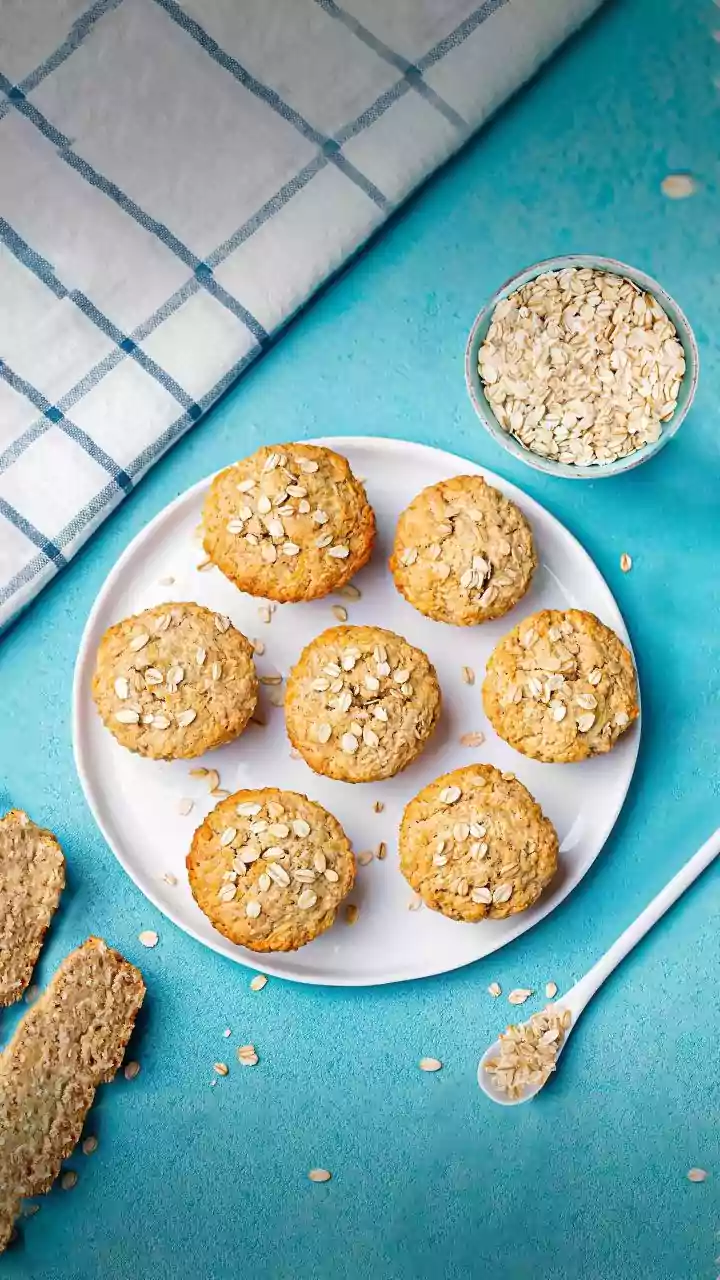
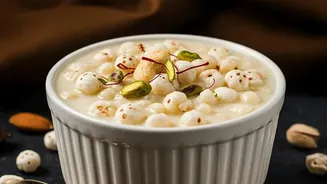
This shift doesn't mean a complete farewell to traditional flavours. Instead, many classic Indian snacks are being reinvented with a healthy twist. Brands are launching baked or air-fried versions of snacks that are typically deep-fried. Millets like jowar, bajra, and ragi are replacing refined flour in crackers, cookies, and dosa mixes. Even makhana (fox nuts), a traditional fasting food, has been rebranded as a mainstream crunchy snack, available in various modern flavours. This indicates that consumers are not abandoning their taste preferences but are seeking ways to align them with their new health goals, creating a market that successfully marries tradition with wellness.