




The Monsoon Paradox: Comfort and Concern
For most of us in India, the monsoon is a welcome relief from the scorching summer heat. It’s a season of chai and pakoras, long drives, and lush greenery. Yet, it’s also a time when our bodies become more vulnerable. The increased humidity, drop in temperature,
and higher risk of waterborne contaminants can weaken our immune systems and wreak havoc on our digestion. This annual challenge has led many to seek out simple, preventative measures to stay healthy and energetic, allowing them to enjoy the season without the accompanying health anxieties.
The Simple Habit Everyone’s Adopting
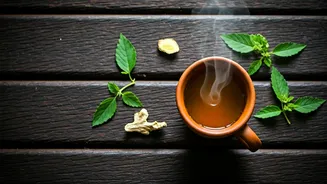
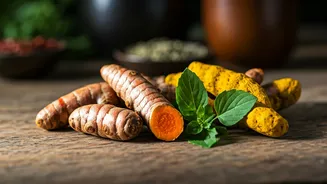
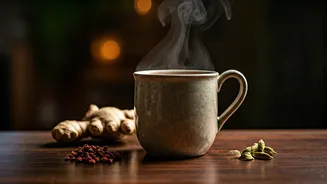
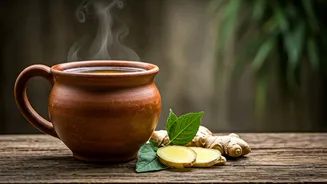
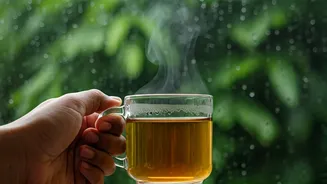
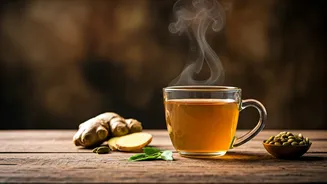
So, what is this habit that’s gaining traction from Bollywood celebrities to wellness influencers? It’s surprisingly simple: the conscious, daily practice of drinking warm, spiced water and herbal infusions. This isn't about exotic ingredients or complicated recipes. It’s about leveraging the power of common kitchen staples like ginger, tulsi, turmeric, and black pepper. While our grandmothers have sworn by these remedies for generations, the practice is now being embraced by a younger, health-conscious demographic as a mindful ritual for preventative wellness. It’s moving from being a 'when you're sick' cure to a 'so you don't get sick' daily habit.
Why It Works: The Science of Warmth and Spice
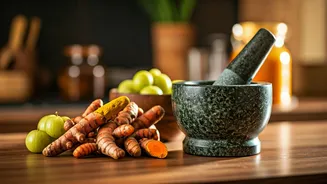
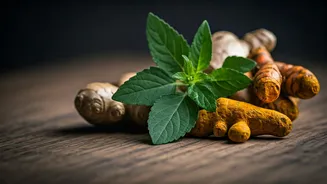
The wisdom behind this habit is backed by both ancient Ayurvedic principles and modern understanding. According to Ayurveda, the monsoon season can aggravate the 'Vata' dosha, leading to digestive issues and joint pains. Warm water helps pacify Vata, aids digestion by stimulating digestive enzymes, and helps flush out toxins. When you infuse this water with spices, you amplify its benefits. Ginger is a well-known anti-inflammatory and digestive aid. Tulsi (holy basil) is a powerful adaptogen that helps the body combat stress and boosts immunity. Turmeric, with its active compound curcumin, is a potent antiseptic and antioxidant. A pinch of black pepper is often added not just for flavour, but because it contains piperine, which dramatically increases the body's ability to absorb curcumin.
How to Make It Your Own Ritual
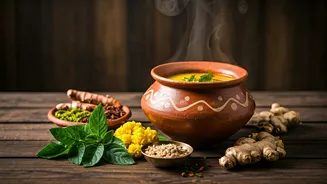
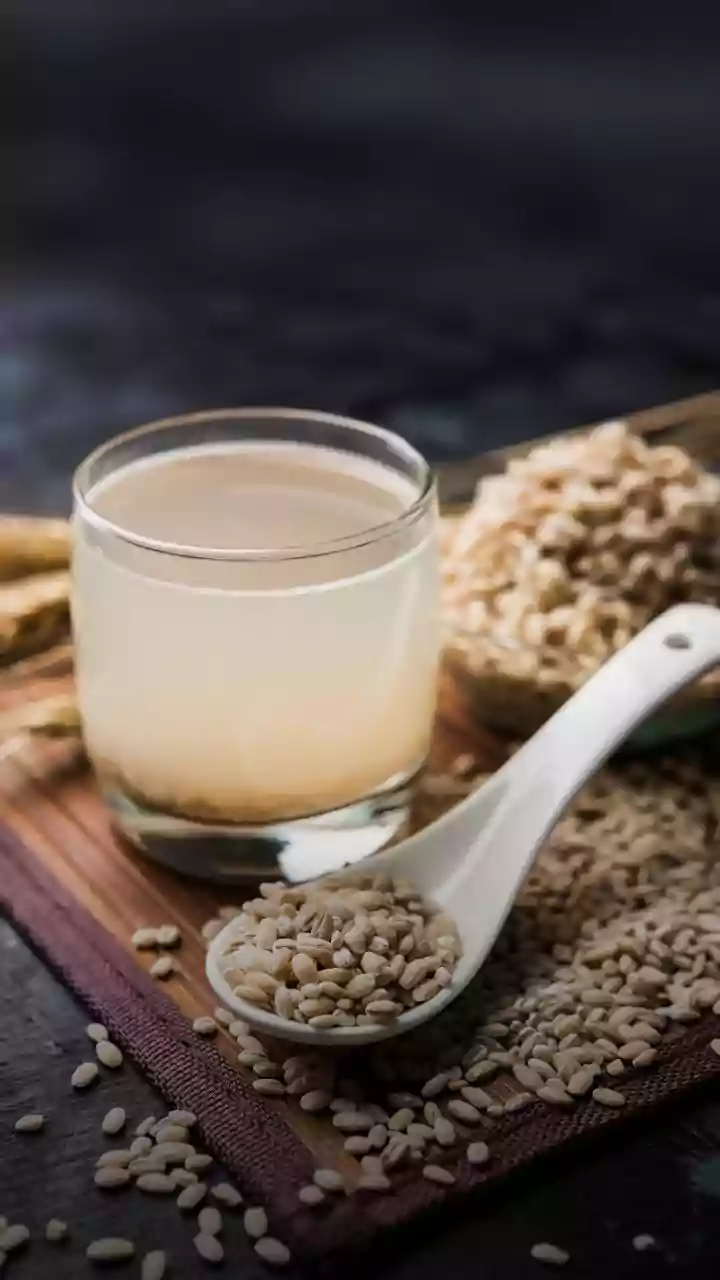
The beauty of this habit lies in its simplicity and adaptability. You don’t need a strict recipe. Start your day with a glass of warm water with a squeeze of lemon and a slice of ginger. Throughout the day, keep a flask of warm water infused with a few tulsi leaves and a crushed black peppercorn. Another popular option is what’s often called 'CCF tea'—a concoction made by boiling cumin, coriander, and fennel seeds, which is fantastic for soothing the gut. In the evening, a warm cup of turmeric milk, or 'haldi doodh', can promote restful sleep and fight inflammation. The key is consistency. Make it a comforting ritual, not a chore. Find the flavours you enjoy and make it a non-negotiable part of your monsoon wellness routine.
The Modern Twist on an Ancient Practice
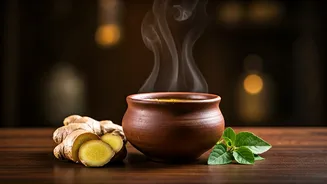
What makes this trend feel new is its modern packaging. It’s no longer just a homemade remedy; it's a statement of self-care. Social media is filled with aesthetically pleasing images of steaming mugs and glass infusers, rebranding traditional wisdom for a new generation. Nutritionists and health coaches are championing this practice as a sustainable, low-cost way to enhance well-being. This resurgence is part of a larger global movement towards natural, preventative health solutions, a trend that has only accelerated in recent years. By embracing this simple habit, people are not just protecting themselves from seasonal illnesses; they are reconnecting with a legacy of Indian wellness wisdom in a way that feels relevant and empowering today.