




The Philosophy of 'Zoning'
A successful rainy-season packing system relies on one core concept: separation. Your bag should not be one large compartment where a damp umbrella can ruin a clean shirt. Instead, think of it as a collection of zones. The primary zones are 'Wet' and
'Dry'. This system creates a barrier that moisture cannot cross. The wet zone is for items exposed to rain, like your raincoat or shoes, while the dry zone is a protected sanctuary for everything else. This isn't complicated; it just requires a little forethought and the right tools, like waterproof pouches and packing cubes.
Establishing Your Dry Zone
The dry zone is the heart of your luggage, a fortress dedicated to items that must not get wet. This includes your clean clothes, electronics, and essential papers. The best way to enforce this zone is with layers of protection. Pack clothes inside compression bags or water-resistant packing cubes. These not only save space but also add a crucial barrier against moisture. Electronics—chargers, power banks, and headphones—should go into individual zip-top bags before being placed in a padded tech organiser. Always pack at least one complete dry outfit in a sealed bag at the top of your luggage for easy access in case of a travel mishap.
Creating a Dedicated Wet Zone
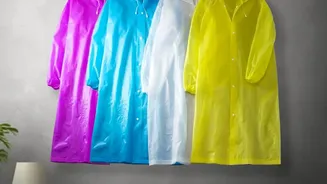
The wet zone is your quarantine area for dampness. It’s designed to hold items that are already wet or likely to get wet, preventing them from contaminating your dry belongings. This is where you'll store a damp umbrella, a used raincoat, muddy footwear, or a wet swimsuit. A dedicated 'wet/dry' pouch or even a few sturdy reusable plastic bags are perfect for this. Some travel backpacks come with built-in waterproof compartments. The key is to isolate these items immediately so moisture and mildew don't have a chance to spread throughout your bag.
Bulletproofing Your Documents
A water-damaged passport or visa can derail an entire trip. Your travel documents require their own specialised level of protection. Don't just toss them in a pocket. A multi-layer approach is best. Start by placing passports, tickets, and insurance printouts in a sealed zip-top bag. For ultimate security, place that bag inside a dedicated waterproof document pouch. Store this pouch deep within your 'dry zone', preferably in an internal pocket of your main luggage, not in an easily accessible outer pocket. Also, always have digital backups saved to encrypted cloud storage.
Solving the Laundry Conundrum
Laundry during the monsoon is a unique challenge. High humidity means clothes take forever to dry, and packing damp laundry is a recipe for a musty-smelling suitcase. First, prioritise packing clothes made from quick-dry synthetic fabrics or wool and avoid slow-drying cotton. Pack a travel clothesline and a few clothespins to create a drying station in your hotel room, ideally near a fan. For clothes that are dirty or still damp when it's time to move on, pack them in a separate, sealable laundry bag or wet bag. This keeps odours and moisture contained until you can properly wash and dry them.
Essential Gear for Monsoon Travel
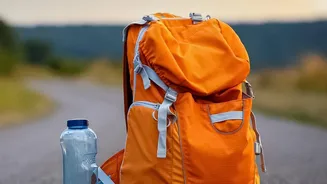
Beyond zoning, a few key items will make your rainy-season travels much smoother. A waterproof backpack cover is a non-negotiable first line of defence. A compact, quick-drying microfiber towel is invaluable for drying off yourself and your gear. Consider bringing a few silica gel packets and tossing them into your electronics bag and main luggage to help absorb ambient moisture. Finally, choose your footwear wisely. A pair of water-friendly sandals and one pair of dry, closed-toe shoes for evenings or dry days is an ideal combination.