





The Post-Workout Energy Slump
We’ve all been there. You finish a tough gym session feeling accomplished, down a quick protein shake or sports drink, and feel great for about an hour. Then, the slump hits. You feel sluggish, hungry, and maybe even a little irritable. This crash is often
the result of relying on simple sugars and fast-digesting carbs for recovery. While they provide a quick spike in insulin to shuttle nutrients into your muscles, they don't offer lasting power. Effective workout recovery isn't just about protein. It's about replenishing your muscle glycogen—the fuel you just burned—with quality carbohydrates. The key is choosing carbs that release their energy slowly and steadily, preventing a blood sugar rollercoaster and keeping you feeling full, focused, and energized long after you’ve left the gym. This is where forgotten ancient grains come into play.
Meet Ragi: The Unsung Hero
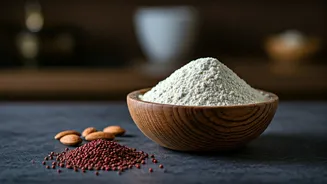
If you haven’t heard of ragi, you’re not alone, but it’s a name worth knowing. Ragi, also known as finger millet, is a gluten-free ancient grain that has been a staple in parts of Africa and Asia for centuries. For the modern American athlete, it’s a nutritional powerhouse waiting to be discovered. Unlike refined flours, ragi is packed with complex carbohydrates, meaning it digests slowly and provides a steady stream of energy. This is exactly what your body needs to refuel without the subsequent crash.
Beyond its carb content, ragi is a fantastic source of dietary fiber, which aids digestion and promotes satiety. It’s also notably rich in calcium—far more than most other cereals—which is crucial for bone health and muscle function. Plus, it contains a good amount of iron to help combat fatigue and antioxidants to help fight exercise-induced inflammation. Think of it as a multi-talented recovery food hiding in plain sight.
Barley: The Familiar Fiber Friend
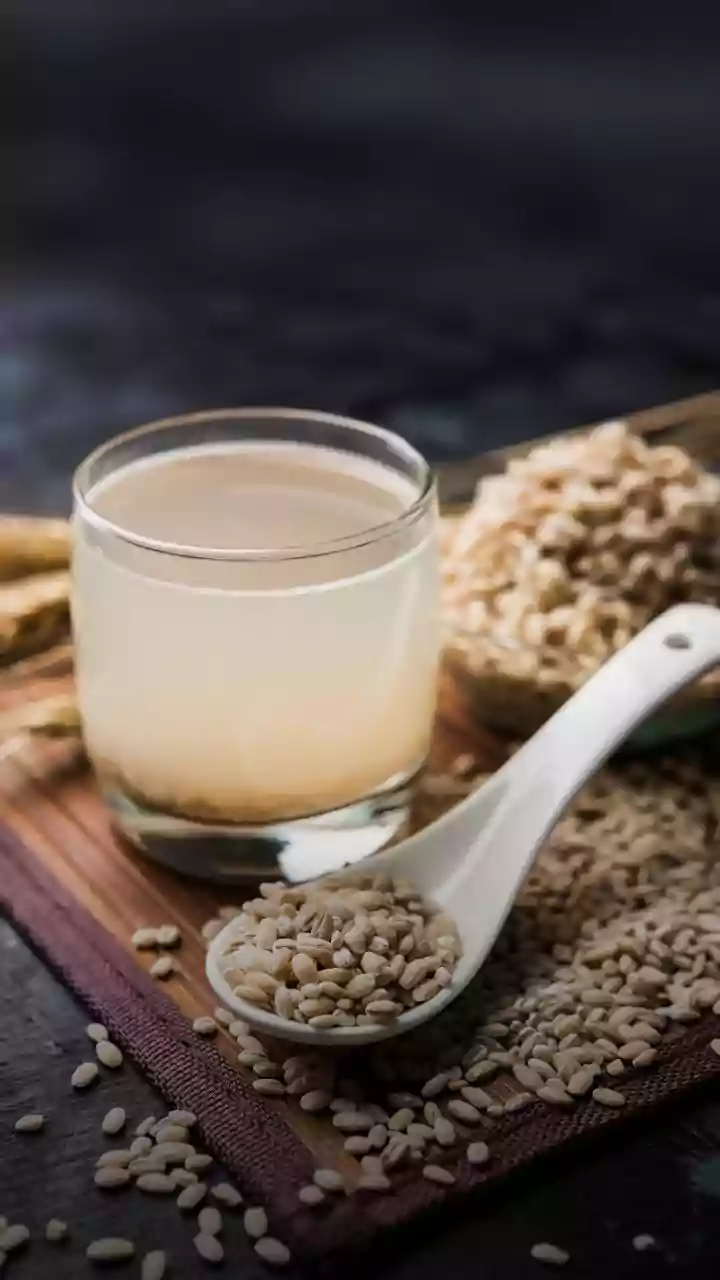
Barley might be more familiar, often appearing in soups and stews, but its potential as a post-workout food is frequently overlooked. Like ragi, barley is an excellent source of complex carbohydrates and fiber. Its standout feature is a type of soluble fiber called beta-glucan, the same kind famously found in oats. Beta-glucans are champions of slow energy release. They form a gel-like substance in your gut, slowing down the absorption of sugar and keeping you feeling full and energized for hours.
This makes barley an ideal food for replenishing glycogen stores efficiently. A serving of barley after a workout not only refuels your muscles but also helps stabilize your blood sugar, preventing that dreaded energy dip. It also provides essential minerals like selenium, manganese, and magnesium, all of which play roles in muscle repair and reducing inflammation.
How to Use Ragi and Barley
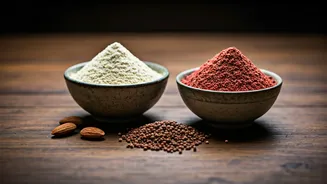
Incorporating these grains into your routine is simpler than it sounds. You can find ragi flour and both pearled and hulled barley in most well-stocked grocery stores or online. Here are a few easy ideas:
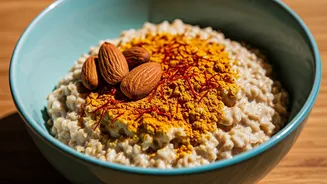
1. **The Upgraded Oatmeal:** Cook a pot of barley on Sunday to use throughout the week. For a post-workout meal, simply reheat a serving and top it with berries, nuts, and a scoop of Greek yogurt for extra protein. For a quicker option, mix ragi flour with hot water or milk to create a warm porridge, similar to cream of wheat. Add a touch of maple syrup and cinnamon.
2. **The Recovery Smoothie:** Boost your standard smoothie by adding a tablespoon or two of ragi flour. It blends in easily and adds a nutty flavor along with its powerful nutrients. Combine it with a banana, a scoop of protein powder, spinach, and almond milk for a complete recovery drink.
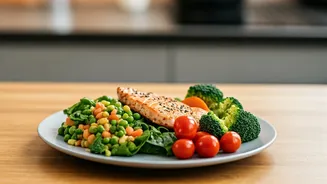
3. **Savory Grain Bowls:** Your post-workout meal doesn’t have to be sweet. Use your pre-cooked barley as the base for a savory bowl. Top it with a grilled chicken breast or chickpeas, roasted vegetables, and a drizzle of olive oil and lemon juice. This provides a perfect balance of complex carbs, protein, and healthy fats for optimal recovery.