


Embrace the Monsoon Magic
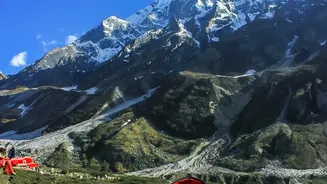
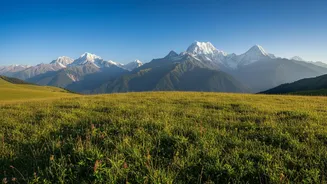
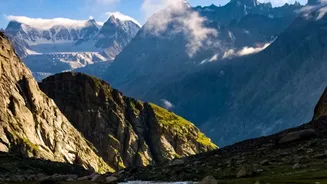
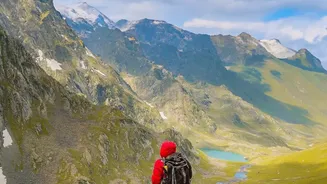
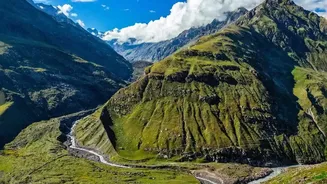
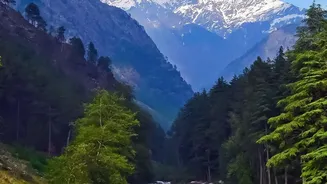
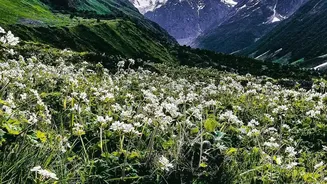
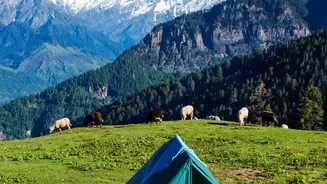
While many travellers avoid the Himalayas during monsoon, August offers a unique experience for those who come prepared. The mountains transform into a vibrant, emerald paradise, with waterfalls cascading down cliffs and meadows bursting with wildflowers.
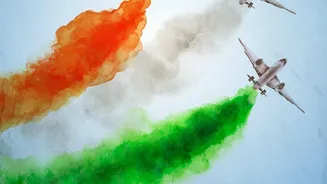
The air is fresh, the trails are less crowded, and the misty atmosphere creates a sense of tranquility. Celebrating the nation’s independence amidst the freedom of the hills can be a profound experience, connecting you to the raw, untamed beauty of the Indian landscape. However, this beauty comes with challenges like slippery trails, potential roadblocks due to landslides, and unpredictable weather. Choosing the right trek and prioritising safety are paramount.
The Golden Rules of Safe Monsoon Trekking
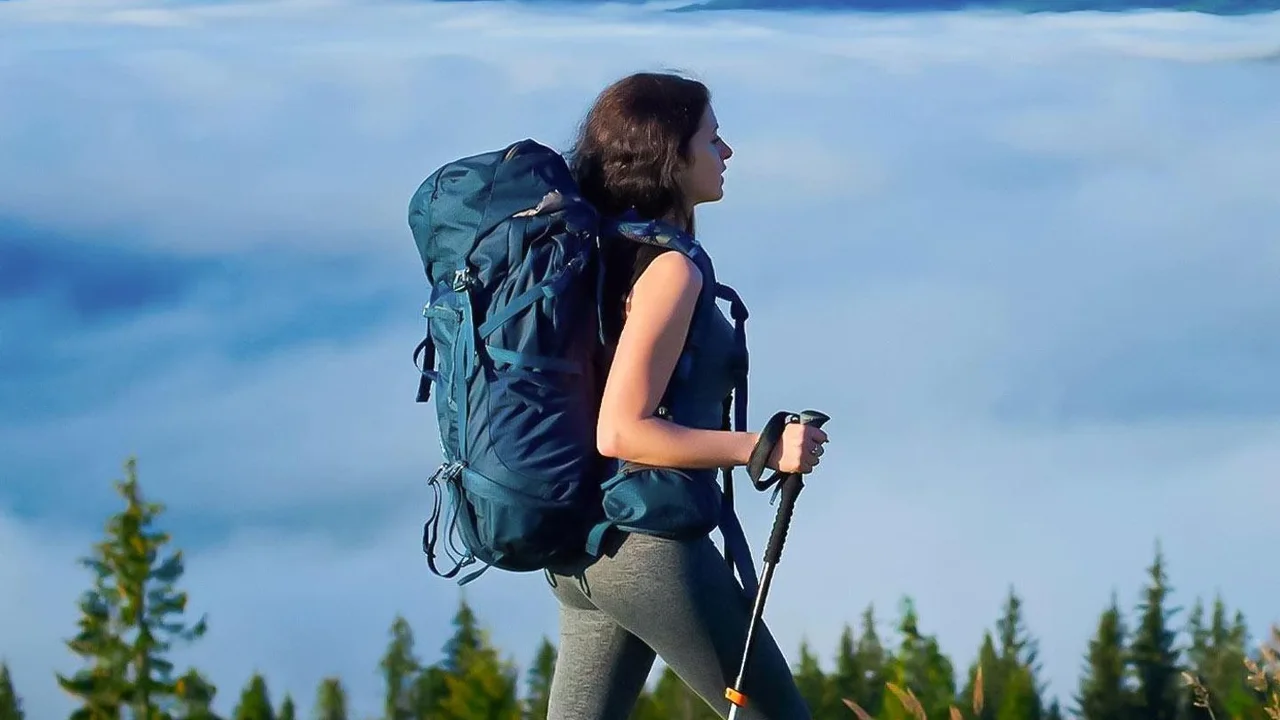
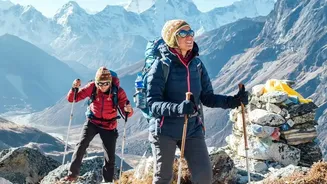
Safety should be your top priority. The monsoon makes mountain terrain unpredictable. Always check the latest weather forecasts and road conditions before you leave and have buffer days in your itinerary. Hiring a certified, experienced local guide is non-negotiable; they understand the terrain, weather patterns, and safe passages. Never trek alone. Essential gear includes high-quality waterproof trekking shoes with excellent grip, a poncho or rain jacket, and waterproof covers for your bags. Pack quick-drying clothes and avoid cotton. Carry a basic first-aid kit with essentials for minor injuries, and be aware of the symptoms of altitude sickness. Acclimatise properly by ascending gradually and staying hydrated.
Trek 1: The Legendary Valley of Flowers
A UNESCO World Heritage Site, the Valley of Flowers is a classic monsoon trek for a reason. It is only accessible from June to October, with peak bloom occurring from mid-July to mid-August, making it a perfect Independence Day destination. The trail to the valley and its base camp, Ghangaria, is well-maintained and populated, adding a layer of safety. Rated easy to moderate, it's suitable for beginners with a reasonable level of fitness. However, the path can be slippery, and sudden rain showers are common, so appropriate gear is essential. It is also recommended to book accommodation in Ghangaria in advance, as it can get crowded. Note that access to the valley is restricted to daytime hours.
Trek 2: The Accessible Nag Tibba
For those short on time, the Nag Tibba trek is an ideal weekend escape near Mussoorie. As it is located in the lower Himalayan range, it receives less intense rainfall compared to higher altitude treks. The trail, which winds through dense oak and rhododendron forests, remains relatively stable and is considered suitable for beginners. While some sources advise caution during peak monsoon due to slippery trails, many operators run guided treks throughout the season, highlighting its accessibility. The trek can be completed in two days, making it perfect for a long weekend adventure to see the lush landscapes of the Doon valley.
Trek 3: The Spiritual Chopta-Tungnath-Chandrashila
Often called the 'Mini Switzerland' of India, Chopta is stunningly green during the monsoon. The trek from Chopta to Tungnath, the world's highest Shiva temple, and further to the Chandrashila summit, offers breathtaking views when the clouds part. The stone-paved path to Tungnath makes it manageable, though it can get very slippery in the rain, so using trekking poles is advised. While the trek is considered safe for beginners, it's crucial to start early to avoid afternoon showers and poor visibility. Roads to Chopta can be prone to landslides, so always check conditions before travelling.
Planning and Preparedness Are Key
While the allure of the mountains is strong, recent weather events highlight the need for extreme caution. In late July and early August 2026, heavy rains have caused numerous road blockages and landslides across Uttarakhand, with authorities issuing high alerts for several districts. Key highways for pilgrimage and trekking routes have faced intermittent closures. Before finalizing any plans, it is absolutely essential to check with the state disaster management authority and local tour operators about the most current and specific route conditions. Do not travel to areas under an active weather warning and avoid non-essential travel if advised by officials. Choosing a well-established, shorter, and more accessible trek is the wisest choice for a safe adventure this season.