




The End of Thirsty Gardens
For decades, the ideal garden in many minds involved a lush, green lawn and flowerbeds bursting with delicate, often water-guzzling, annuals. This model, however, is becoming increasingly difficult and expensive to maintain. With rising temperatures and less
reliable rainfall, especially across many parts of India, the practice of constant watering is no longer sustainable. This reality has sparked a significant shift in perspective. Gardeners are now looking beyond short-term beauty and considering the long-term resilience of their green spaces. The focus is moving from forcing plants to survive in a hostile climate to choosing plants that are naturally equipped to thrive with minimal intervention.
Understanding Water-Wise Gardening
This new approach is often called water-wise gardening or xeriscaping—a term derived from the Greek word 'xeros,' meaning dry. But it’s a mistake to think this means a barren landscape of only rocks and cacti. Instead, xeriscaping is a set of smart principles designed to create a vibrant, beautiful garden that requires little to no supplemental irrigation. It’s about making intelligent choices, from the soil up. The core idea is to work in harmony with the local climate. This involves improving soil to hold moisture, grouping plants with similar water needs, and, most importantly, selecting the right plants from the very beginning.
Choosing Your Green Champions
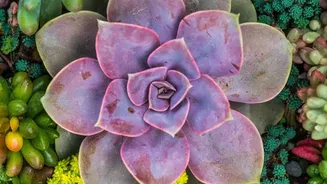
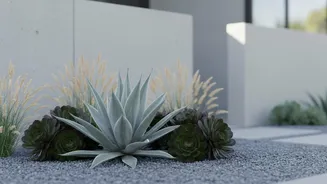
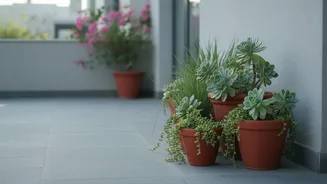
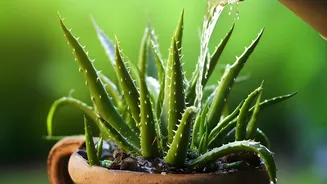
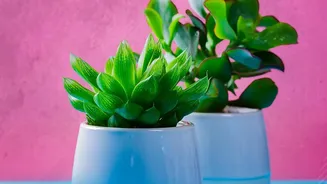
The heart of a low-water garden is its plants. The goal is to find species that are naturally drought-tolerant. Fortunately, the options are vast and beautiful. Hardy flowering plants like Bougainvillea, Lantana, and Vinca (Sadabahar) offer vibrant colour without demanding constant water. Succulents and cacti, such as Aloe Vera and Agave, are classic choices for their architectural forms and incredible self-sufficiency. Many native grasses and perennials are also perfectly adapted to local conditions, providing texture and movement while supporting local ecosystems. The key is to select plants that won’t just survive a dry spell, but will look their best with the water that nature provides.
Smarter Soil and Watering
Plant choice is crucial, but what happens below the surface is just as important. One of the most effective water-wise techniques is mulching. Applying a layer of organic material like bark, shredded leaves, or compost over the soil works wonders. Mulch acts like a blanket, shielding the soil from the baking sun, which dramatically reduces evaporation and keeps the root zone cooler and moister. This means you water less often. When you do water, it’s better to do so deeply and infrequently, encouraging plants to develop deep, strong root systems that can search for moisture far below the surface, making them more resilient during dry periods.
Designing for Efficiency
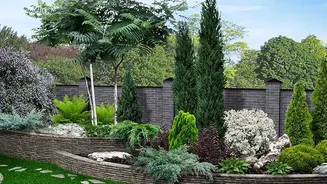
A truly water-wise garden is also a well-designed one. A key strategy is 'hydrozoning,' which is simply the practice of grouping plants with similar water needs together. This allows you to water efficiently, giving thirsty plants the moisture they need without drowning their drought-tolerant neighbours. Many gardeners are also rethinking the role of the traditional lawn, which is often the thirstiest part of a landscape. Reducing lawn space and replacing it with beautiful beds of low-water perennials, groundcovers, or even attractive gravel and stone pathways can drastically cut down on water use while adding visual interest and reducing maintenance.