







The Anatomy of a Common Tax Mistake
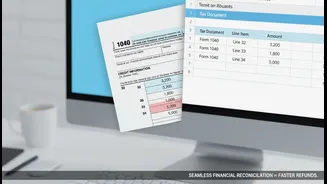
Every year, thousands of taxpayers receive intimations from the Income Tax Department due to errors in their returns. These are often simple, unintentional mistakes. A frequent issue is a mismatch between the income and tax-deducted-at-source (TDS) details
reported in the return versus what is recorded in the department's records like Form 26AS and the Annual Information Statement (AIS). Other common slip-ups include selecting the wrong ITR form, which can render a return defective, or entering incorrect personal information like bank account numbers, which can stall refunds. Many also forget to report all sources of income, such as interest from savings accounts or small capital gains from investments, assuming they are insignificant. With the tax system becoming increasingly data-driven, even minor discrepancies are flagged automatically, initiating a process that is far from straightforward.
Navigating the Rectification Maze
The prescribed path to correct an error is to file a rectification request under Section 154 of the Income Tax Act. This is done online through the e-filing portal and is designed for mistakes that are 'apparent from the record'—meaning, obvious errors that don't require deep investigation or debate. Once a taxpayer files this request, it goes to the Centralised Processing Centre (CPC) in Bengaluru for review. While the law mandates that the department should dispose of a rectification application within six months, the reality for many is an agonizingly long wait. Taxpayers often find their requests languishing in 'under processing' status for months with little to no communication, turning the digital process into an opaque black box.
The High Cost of Systemic Delays
These delays are more than just an inconvenience; they have tangible financial and emotional consequences. The most direct impact is on tax refunds. Many salaried individuals and professionals depend on these refunds, and a delay can disrupt their financial planning. An unresolved error can also result in an incorrect tax demand, causing immense stress and anxiety. Taxpayers are left in a lurch, unsure if they owe money or if it's a system error. The time and energy spent tracking the status, trying to contact helplines, and navigating the grievance mechanisms like e-Nivaran add to the burden. This friction erodes trust and makes the goal of voluntary tax compliance harder to achieve.
Wanted: A Truly Intelligent Tax Portal
The solution lies in upgrading the digital infrastructure from a mere filing platform to an intelligent, taxpayer-centric system. The portal should leverage technology to prevent errors before a return is even submitted. AI-powered validation tools could flag potential mismatches against AIS and Form 26AS in real-time, prompting the user to correct them instantly. For post-filing issues, a transparent, real-time tracking dashboard for rectification requests is essential. Instead of a generic 'processing' status, it should show exactly which stage the request is at and what the pending action is. Furthermore, a dedicated and empowered digital helpdesk, equipped to resolve rectification queries quickly, would be a significant improvement over the current fragmented grievance system.
From Processing to Partnership
Ultimately, a fundamental shift in approach is needed. The technology used by the tax department should not just be for processing returns but for partnering with taxpayers. This means building systems that are intuitive, helpful, and forgiving of honest mistakes. For instance, instead of just flagging a TDS mismatch, the system could suggest the correct value based on departmental data, allowing the taxpayer to accept it with a single click. By making compliance easier and less adversarial, the department can foster a culture of trust. A system that quickly resolves errors rather than letting them fester for months would encourage more people to file accurately and on time, benefiting both the taxpayer and the exchequer.