




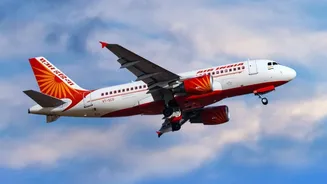


The Headline Numbers
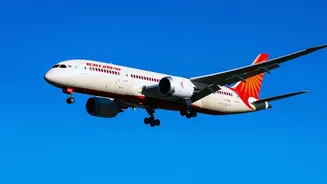
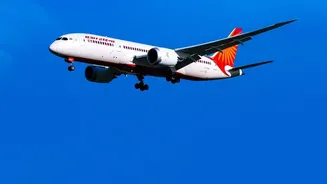
For the six-month period from April to September 2026, Air India is estimated to have incurred a loss of around ₹10,500 crore. This information comes via Singapore Airlines (SIA), which holds a 25.1% stake in the Indian carrier and discloses its share
of the performance. While still a massive figure, it represents a notable improvement. The loss for the same period last year was around ₹12,500 crore, indicating that the current loss has narrowed by about 16%. This suggests that some of the airline's cost-saving measures are beginning to take effect, even as the overall bottom line remains in the red.
The Price of a Five-Star Makeover
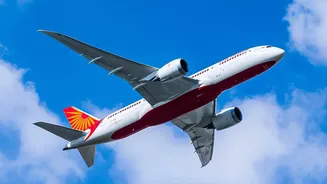
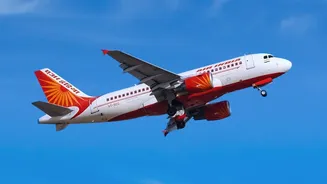
The primary reason for the deep losses is the sheer scale of investment required for Air India's transformation under its 'Vihaan.AI' plan. Since the Tata Group took control, it has initiated a top-to-bottom overhaul. This isn't just a new coat of paint; it's a multi-billion dollar project involving a historic order for 470 new aircraft, a USD 400 million program to retrofit the interiors of the existing legacy fleet, and a complete revamp of its technology systems. These are long-term investments with huge upfront costs. The new planes, modern cabins, and improved digital infrastructure are essential to compete with global giants, but they drain cash long before they start generating returns.
Merger Maths and External Headwinds
Integrating a full-service carrier like Vistara and a low-cost carrier like AirAsia India is a complex and expensive affair. While the ultimate goal is to create a single, stronger entity with greater market share and network synergies, the process involves significant costs related to harmonising operations, IT systems, and employee structures. Beyond the merger, Air India, like all airlines, is battling external pressures. A sharp rise in jet fuel prices has been a major factor, with average prices surging 86.7% year-on-year to USD 171 per barrel. This alone adds an enormous burden to the operational costs of any airline, let alone one undergoing a massive expansion.
A New Captain's Cost-Cutting Drive
Recognising the need for financial discipline amidst the spending spree, Air India's new CEO, Tewolde Gebremariam, who took the helm in October 2026, has made cost rationalisation a key priority. He has reportedly established a multi-functional cost-savings team to scrutinise all expenditures and has called for a culture of 'frugality and accountability' within the organisation. This focus on cost control, combined with the ongoing integration of Air India Express, is aimed at improving structural efficiencies. The 16% reduction in losses compared to the previous year suggests these efforts are beginning to yield results, albeit slowly.
A Long-Haul Flight to Profitability
Despite the eye-watering loss, both Tata Sons and Singapore Airlines publicly state that a transformation of this scale takes time. They see the investment as a strategic, long-term play on India's booming aviation market. There are positive signs, such as tangible progress in customer experience and operational performance. For instance, the introduction of new factory-fit aircraft and retrofitted cabins is beginning to change passenger perception. However, the financial turnaround remains a work in progress. While the losses have narrowed, they continue to be substantial. The journey to sustainable profitability for Air India is still a long-haul flight, with the next few years being critical to see if these massive investments finally lead to a smooth landing.