
The Living Magic in a Pickle Jar
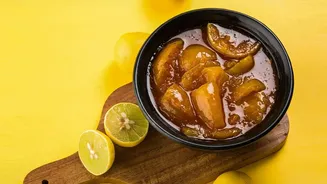
For generations, Indian households have perfected the art of pickling, transforming seasonal fruits and vegetables like mangoes, lemons, and chillies into tangy, spicy delights that last for months. But the true magic isn't just in the preservation; it's
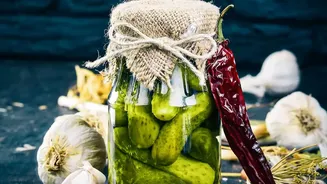
in the process. Traditional Indian pickles are often not just soaked in oil or vinegar but are products of fermentation, a natural transformation that creates a living food teeming with beneficial microorganisms. This ancient culinary practice turns a simple side dish into a powerhouse of probiotics, the friendly bacteria essential for a healthy digestive system.
Understanding Fermentation's Tiny Chefs
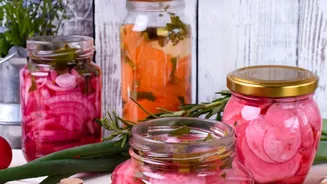
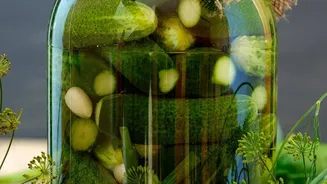
So, how does a raw mango or lemon become a probiotic-rich food? The process is called lactic acid fermentation. It begins when vegetables or fruits are placed in a brine, which is a simple solution of salt and water. The salt acts as a gatekeeper; it draws out water from the produce, creating a sugary liquid, while also preventing the growth of harmful bacteria. This controlled environment allows naturally occurring beneficial bacteria, primarily from the Lactobacillus family, to thrive. These tiny 'chefs' consume the natural sugars in the ingredients and produce lactic acid. This acid not only gives the pickle its characteristic tangy flavour but also acts as a natural preservative, ensuring the food remains safe and delicious.
Your Gut's Best Friends
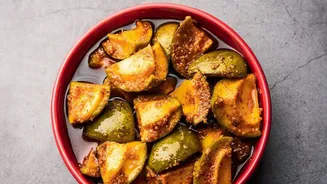
The end product of this fermentation is a food rich in probiotics. These live bacteria are crucial for maintaining a balanced gut microbiome—the complex community of trillions of microbes living in our intestines. A healthy gut microbiome is linked to numerous health benefits, including improved digestion, better nutrient absorption, and a stronger immune system. When you eat a spoonful of traditionally fermented achaar, you are introducing these beneficial bacteria into your system, helping to support your body's natural digestive processes and overall wellness. Studies have shown that the types of bacteria found in homemade fermented vegetables are resilient enough to survive the journey through the stomach and colonise the gut.
Not All Pickles Are Created Equal
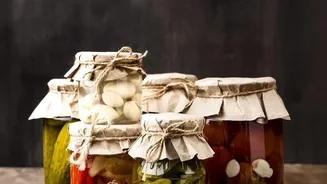
It’s important to understand that not every pickle you find on a store shelf offers these probiotic benefits. Many commercially produced pickles are made using vinegar instead of undergoing a natural fermentation process. The vinegar provides the sour taste and preserves the vegetables, but because the food hasn't been fermented, it doesn't contain the live, beneficial bacteria. Furthermore, many packaged pickles are pasteurised—a process that uses heat to extend shelf life but which also kills off the delicate probiotics. The most reliable sources of probiotic pickles are often homemade, following age-old family recipes, or those from small-batch producers who explicitly state their products are 'fermented'.
A Symphony of Spices and Health
The health benefits of Indian pickles don't stop at probiotics. The spices used are not just for flavour; they contribute their own powerful properties. Turmeric contains curcumin, a compound with anti-inflammatory benefits. Fenugreek (methi) and mustard seeds are also common additions, known for their digestive properties. Asafoetida (hing), garlic, and ginger add not only pungent, complex flavours but are also celebrated in Ayurveda for aiding digestion and gut health. This blend of fermented vegetables and potent spices creates a true superfood—a symphony of taste and wellness that supports the body from the inside out.