





The Shifting Focus from 'How Much' to 'Which One'
For decades, dietary advice has often centred on caloric restriction as a key to longevity, a principle shown to work in organisms from yeast to rodents. More recently, scientists have found that restricting protein, even without cutting calories, can
offer similar benefits for metabolic health and lifespan in animal models. However, a comprehensive new review of over 350 studies suggests the story is even more nuanced. It appears that the type of protein—and more specifically, its amino acid building blocks—is a critical factor. This shifts the conversation from simply eating less protein to being more mindful of the kinds of protein we include in our diets.
Meet the Amino Acids in the Spotlight
Not all amino acids are created equal when it comes to ageing. The review highlights a few key players, particularly the essential amino acids that our bodies cannot produce on their own. The three that feature most prominently are methionine, isoleucine, and valine. Isoleucine and valine belong to a group known as branched-chain amino acids (BCAAs), which also includes leucine. Research in mice and other organisms suggests that specifically reducing the intake of these amino acids can replicate many of the health and longevity benefits seen with overall protein restriction.
The 'Growth vs. Maintenance' Switch
So, how do these amino acids influence ageing? The mechanism is thought to involve powerful nutrient-sensing pathways in our cells, most notably one called mTOR. High levels of certain amino acids, especially BCAAs like leucine and methionine, signal to the mTOR pathway that resources are plentiful, pushing cells into a 'growth' mode. While growth is essential for development and repair, constant activation of this pathway is linked to processes that can accelerate ageing. Restricting these specific amino acids seems to dial down mTOR activity. This encourages cells to switch to a 'maintenance and repair' mode, a state associated with improved metabolic health and a longer healthspan in animal studies.
The Plant Protein Connection
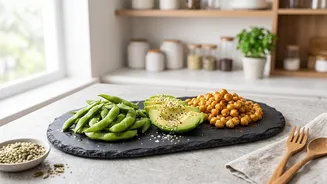
This focus on specific amino acids helps explain a long-observed association: the health benefits of plant-based diets. Proteins from plant sources like legumes, grains, and vegetables generally contain lower levels of methionine and have a different BCAA profile compared to animal proteins such as meat, eggs, and dairy. Therefore, a diet rich in plant-based proteins naturally results in a lower intake of the very amino acids implicated in activating pro-ageing pathways. Several large observational studies have found that higher plant protein consumption in midlife is associated with healthier ageing and lower mortality. This might not just be about avoiding animal protein, but about the specific, more favourable amino acid balance that plant-centric diets provide.
What This Means for Your Diet
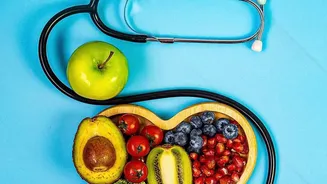
It's crucial to note that these findings do not mean everyone should drastically cut their protein intake. Protein is vital for muscle mass, bone health, and overall function, especially in older adults and active individuals. In fact, some studies show that BCAA supplementation, when combined with exercise, can be beneficial for older adults in maintaining muscle and cognitive function. The key takeaway from this review is about balance and source. For many relatively sedentary adults who may be consuming more protein than needed, shifting the balance of their intake could be beneficial. This doesn't mean eliminating animal products, but rather consciously incorporating a wider variety of plant-based proteins. Combining different plant sources, such as legumes and grains, can ensure you receive a complete profile of all essential amino acids.