






The Challenge of the Indian Plate
Anyone who has tried to log a meal of dal, sabzi, and roti into a mainstream fitness app knows the struggle. Is it one serving? How much oil was in the tadka? What about the difference between a home-cooked paratha and a restaurant one? Most global nutrition
apps are designed for standardized, single-item Western meals, making them poor fits for the complexity of Indian cuisine. This isn't just an inconvenience; it's a significant public health hurdle. With non-communicable diseases like diabetes and hypertension on the rise, a clear understanding of what we eat is more critical than ever. The diversity of Indian food, with its regional variations, unmeasured ingredients, and complex preparations, requires a bespoke solution.
NIN's Proposed AI-Powered Answer
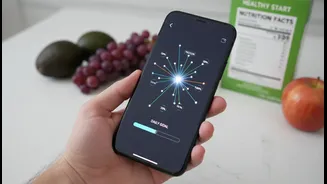
In response, Hyderabad's National Institute of Nutrition (NIN) is working on an AI-powered bot and web platform. Announced in June 2026, the project aims to become a one-stop source for nutrition information, specifically targeting the complexities of the Indian market. The core idea is to provide detailed nutritional profiles for thousands of food products, both packaged and traditional. This initiative is built on the recognition that to make healthier choices, people need information that reflects what they are actually eating, from branded snacks to everyday meals. To achieve this, NIN has partnered with a Hyderabad-based startup behind the 'TruthIn' app, which has already compiled a database of over 75,000 food products.
Decoding Packaged and Traditional Foods
The planned tool will function as a powerful search engine for food. Users will be able to look up a product or brand and get an analysis of its nutritional content. The system will simplify complex ingredient lists and technical terms, flagging hidden additives or signs of ultra-processed foods. This is particularly important given the increasing consumption of pre-packaged foods across India. Furthermore, officials have noted that the platform will help in profiling traditional foods alongside packaged ones, creating a comprehensive database that is currently lacking. This resource is expected not only to help consumers but also to provide valuable data for researchers, policymakers, and the food industry itself, potentially guiding future health policies and product reformulations.
From Information to a Daily Habit
The ultimate goal is to make nutrition a daily, conscious consideration for millions. While past NIN apps like 'Nutrify India Now' have laid groundwork by using India-specific databases, the new AI tool aims to be more dynamic. The headline's promise—turning food context into a "daily issue"—hinges on this shift from static information to an interactive, personalized experience. By making it easy to check a food item's profile with the click of a button, the bot encourages a daily habit of inquiry and awareness. This consistent engagement is key to behavioural change. Instead of a one-time diet plan, the tool offers a continuous loop of learning and decision-making, empowering users to understand the nutritional impact of their choices in real-time.
The Road Ahead: Promise and Pitfalls
Despite the immense potential, the path forward has challenges. The success of such a platform depends on widespread digital literacy and internet access. The accuracy will also rely heavily on the quality of the database and, for home-cooked meals, the user's ability to estimate ingredients and portions—a problem that researchers at IIIT-Hyderabad are also trying to solve with visual recognition systems. There is also the risk that focusing solely on packaged food data might not fully address the nuances of home cooking, which forms the bulk of the Indian diet. However, the initiative represents a monumental step in public health technology. By creating an authoritative, accessible, and India-centric nutritional guide, NIN's planned AI bot could genuinely empower citizens to take control of their health, one meal at a time.