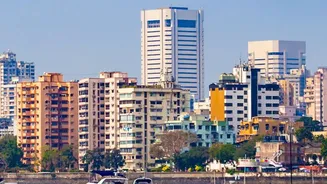







The Forces Driving NRI Investment
The claim isn't just anecdotal; it's a structural shift in the market. Industry reports show that NRI investment in Indian real estate is on a significant upward trend, with some estimates suggesting their market share has nearly doubled in recent years.
This surge is powered by several key factors. Favourable currency exchange rates mean that for NRIs earning in dollars, pounds, or dirhams, their purchasing power is significantly higher in India. This allows them to afford larger, more premium properties than they might in their countries of residence. Beyond the financial math, there's a strong emotional pull—a desire to own a home in their country of origin for future retirement, vacations, or as a tangible connection to their roots. A more transparent regulatory environment, thanks to reforms like the Real Estate (Regulation and Development) Act (RERA), has also boosted investor confidence by reducing risks that previously deterred overseas buyers.
Hotspots for Global Indian Capital
NRI investment isn't spread evenly across the country. It is highly concentrated in specific segments and locations, creating intense competition in certain micro-markets. The focus is overwhelmingly on premium and luxury residential properties in major metropolitan areas and their peripheries. Cities like Bengaluru, Pune, Hyderabad, and the Mumbai Metropolitan Region (MMR) are perennial favourites, driven by their strong IT sectors and corporate presence. More recently, Gurugram and Noida in the NCR have become prime targets due to major infrastructure upgrades like new expressways and airports. This capital influx is particularly pronounced in the luxury segment, where NRIs are estimated to account for up to a quarter of transactions in some high-profile projects. While Tier-I cities receive the lion's share, a growing trend also shows NRIs exploring Tier-II cities like Jaipur, Lucknow, and Kochi, which offer lower entry prices and high growth potential.
The Ripple Effect on Local Prices
For the average local homebuyer, this is where the pressure becomes palpable. The influx of NRI capital, with its significant currency advantage, directly competes with domestic buyers, particularly in the mid-to-premium segments. This added demand in sought-after urban corridors can drive up property values, pushing some homes out of reach for those earning in rupees. While NRIs typically do not invest in the affordable housing sector, their focus on the premium end has a cascading effect. Developers, seeing strong demand from high-paying overseas clients, may prioritise the construction of luxury projects with global amenities over more affordable mid-segment housing. This can lead to a supply-demand mismatch, where the properties being built are not always aligned with the needs and budgets of the local salaried class. The result is a more competitive, and often more expensive, market for everyone involved.
How Local Buyers Can Navigate This Market
While the market is more competitive, it doesn't mean local buyers are out of the game. The key is to be strategic. First, widen your search. If prime localities are becoming too expensive, explore emerging corridors or adjacent micro-markets that are poised for future growth but haven't yet seen prices spike. Infrastructure developments like new metro lines can be a good indicator of future potential. Second, be prepared. In a fast-moving market, having your finances in order, including pre-approved home loans, can give you an edge and allow you to act quickly when you find the right property. Third, conduct thorough due diligence. Don't be swayed by market hype. Verify the builder's reputation, check the RERA registration, and ensure all legal documentation is in place. Finally, consider different property types. If a large apartment in a central location is out of reach, a smaller home in the same area or a larger one in a developing suburb might be a more viable and equally rewarding investment.